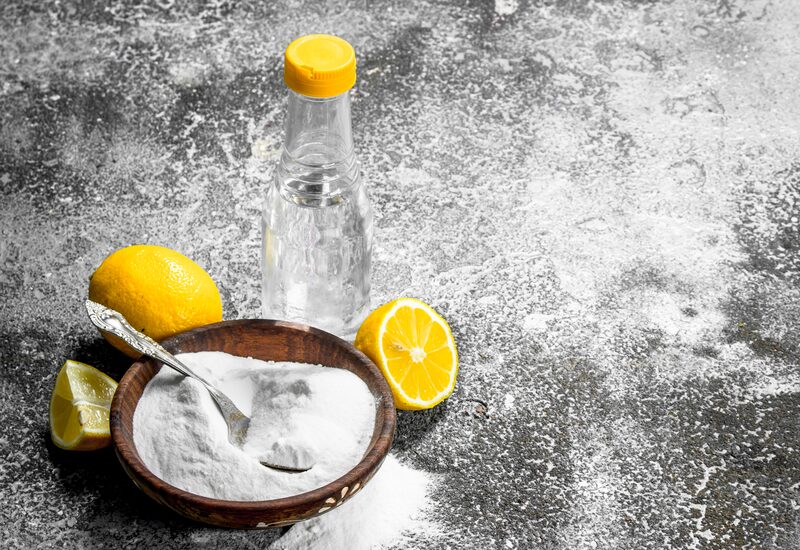
The Baking pH Chart
The pH of every common baking ingredient in one place, the pH to aim for in each bake, and how to fix a bake that went too far either way.
Jump to the chart ↓- pH runs from 0 to 14. Below 7 is acidic, 7 is neutral, above 7 is alkaline.
- Almost everything in your pantry is acidic or neutral. Baking soda is the one alkaline ingredient.
- Higher pH means more browning, more spread, darker chocolate. Lower pH means paler, more tender, brighter.
- Most cakes and muffins bake best right around 7.
At my bakery we bake by the hundreds, so a small mistake gets multiplied fast. When a batch comes out soapy, sour, pale or way too dark, pH is one of the first things I check. It's the one number that explains why baking soda works in one recipe and ruins another.
You don't need to be a chemist. You need to know which ingredients are acidic, which one is alkaline, and where your bake should land. And this isn't a page to just read. Slide things, tap things, and see what happens.
pH works the same in every kitchen. Pick yours and I'll point out what changes for you.
pH in thirty seconds
pH measures how acidic or alkaline something is, on a scale from 0 to 14. Lemon juice sits around 2. Water sits at 7. Baking soda sits a little above 8.
The part most people miss: each whole number is ten times stronger than the one next to it. A batter at pH 5 is ten times more acidic than a batter at pH 6. So small moves on this chart are big moves in your bake.
And pH only exists where there's water. Oil, shortening and dry sugar don't have a pH of their own. They only matter once they're in a wet batter.
Slide the pH and watch the bake change
- Color
- Golden
- Taste
- Clean and balanced
- Texture
- Soft, even crumb
- Lives here
- Muffins, vanilla cake, biscuits
The chart: pH of common baking ingredients
The line down the middle is neutral, pH 7. Orange is acidic, blue is alkaline.
These are typical ranges. Brands, ripeness and how long something has fermented all move the number a little, so treat them as a guide and not a lab result.
Every ingredient, by group
Acids
These are the ones you add on purpose. They react with baking soda for lift, tenderize the crumb, and make everything taste brighter.
| Ingredient | pH | What to know |
|---|---|---|
| Lemon juice | 2.0–2.6 | The most acidic thing in most kitchens. Bright flavor that you will taste. |
| Lime juice | 2.0–2.4 | Same strength as lemon. Swap one for one. |
| Citric acid (dissolved) | about 2.2 | Pure sour with no liquid. A pinch goes a long way. |
| Distilled white vinegar | 2.4–2.6 | Neutral flavor. My pick for white and vanilla cakes. |
| Apple cider vinegar | 2.9–3.3 | Our everyday default at the bakery. Mild and a little fruity. |
| Cream of tartar (dissolved) | 3.4–3.6 | The dry acid in homemade baking powder. Stays quiet until it gets wet. |
How much to use is its own lesson: how much vinegar to use in baking.
Fruit and vegetables
Fruit brings its own acid, and some of it brings a lot. That's why a cranberry loaf can handle more baking soda than a pumpkin loaf.
| Ingredient | pH | What to know |
|---|---|---|
| Cranberries | 2.3–2.5 | As sour as lemon juice. They need the sugar. |
| Rhubarb | 3.1–3.4 | Very tart. Great with strawberries. |
| Blueberries | 3.1–3.4 | Turn green in a batter with too much baking soda. |
| Raspberries | 3.2–3.7 | Their color stays brightest in an acidic batter. |
| Tart cherries | 3.2–3.6 | Enough acid on their own for a pie filling. |
| Strawberries | 3.0–3.9 | Vary a lot with ripeness. |
| Applesauce and apples | 3.1–4.0 | Enough acid to wake up a little baking soda. |
| Peaches | 3.3–4.1 | A squeeze of lemon keeps them bright. |
| Pineapple | 3.2–4.0 | Acidic and juicy, so watch your hydration too. |
| Orange juice | 3.3–4.2 | Milder than lemon. More flavor than lift. |
| Bananas | 4.5–5.2 | Only mildly acidic, which is why banana bread wants baking soda for color. |
| Pumpkin puree | 4.9–5.5 | Low acid. Don't count on it to react with much soda. |
| Sweet potato | 5.3–5.6 | Low acid. |
| Zucchini | 5.7–6.1 | Close to neutral. It's there for moisture. |
| Carrots | 5.9–6.4 | Close to neutral. |
Cultured ingredients
| Ingredient | pH | What to know |
|---|---|---|
| Sourdough starter | 3.5–4.5 | Drops lower the longer it ferments. More sour, less lift. |
| Yogurt | 4.0–4.6 | Dairy or plant-based, about the same. Brings tang and reacts with baking soda. |
| Buttermilk | 4.4–4.8 | The classic acid for baking soda. It tenderizes the crumb. |
| Sour cream | 4.4–4.8 | Same acidity as buttermilk, with a lot more fat. |
| Cream cheese | 4.4–4.9 | Mildly acidic. That tang is why it works in frosting. |
| Plant milk with vinegar | 4.4–5.0 | The vegan stand-in for buttermilk. 1 tbsp vinegar in 1 cup plant milk. Soy curdles the best. |
Dairy and eggs
Milk and butter sit just under neutral. Eggs are the surprise. The white is one of the few alkaline things in a kitchen, and it gets more alkaline as the egg ages.
| Ingredient | pH | What to know |
|---|---|---|
| Butter | 6.1–6.4 | Slightly acidic. Cultured butter runs lower. |
| Milk | 6.5–6.8 | Close to neutral. It won't set off baking soda by itself. |
| Heavy cream | 6.5–6.8 | Same as milk. |
| Egg yolk | 6.0–6.4 | Slightly acidic. |
| Whole egg | 7.1–7.9 | Just over neutral. |
| Egg white | 7.6–9.0 | Alkaline, and it climbs as the egg ages. A pinch of cream of tartar brings it down so a meringue holds. |
Baking without them? Plant milks and vegan butter land in the same near-neutral range, so the pH math doesn't change. What you lose is the buttermilk, so add your acid on purpose.
Sweeteners
White sugar is neutral. The darker and less refined the sweetener, the more acid it tends to carry.
| Ingredient | pH | What to know |
|---|---|---|
| Honey | 3.4–4.5 | More acidic than people expect. It browns fast too. |
| Agave | 4.3–4.8 | Mildly acidic, and a liquid, so it changes your hydration. |
| Molasses | 4.9–5.4 | The acid in brown sugar. Helps cookies set sooner and spread less. |
| Brown sugar | 5.0–6.0 | Mildly acidic from its molasses. Dark has more than light. |
| Maple syrup | 5.2–7.0 | Mild. A little acidity, depending on the syrup. |
| Cane sugar | about 7 | Neutral. It doesn't move your pH at all. |
More on that in sugar in gluten-free baking.
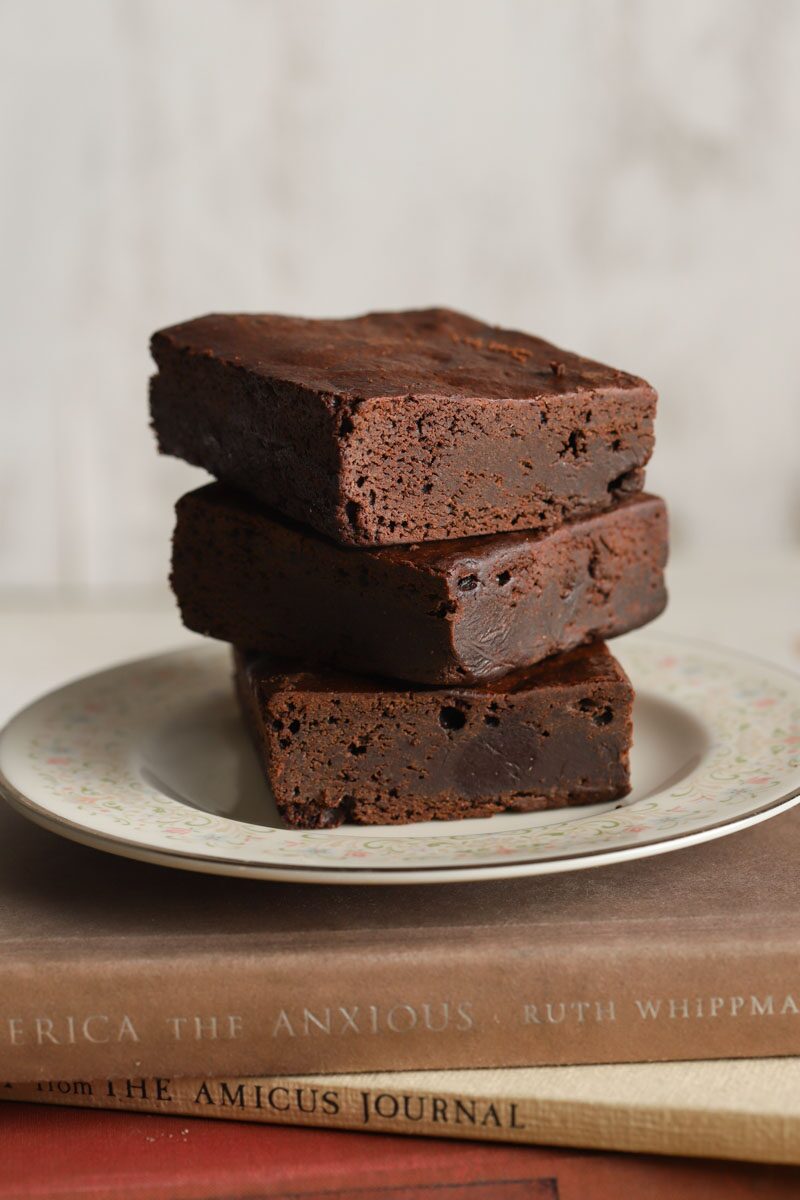
Cocoa and coffee
This is the one that trips people up the most. Natural cocoa is acidic. Dutch-process has been alkalized, so it isn't. They look almost the same in the bag and they behave completely differently in a batter.
| Ingredient | pH | What to know |
|---|---|---|
| Brewed coffee | 4.9–5.2 | Mildly acidic. Deepens chocolate flavor. |
| Natural cocoa | 5.3–5.8 | Acidic, sharp and fruity. Pair it with baking soda. |
| Dutch-process cocoa | 6.8–8.1 | Alkalized, so it's smooth and dark. Pair it with baking powder. |
| Black cocoa | 7.8–8.6 | Heavily alkalized. Very dark, mild flavor. Blend it with Dutch-process. |
Natural cocoa reacts with baking soda. Dutch-process goes with baking powder. The full breakdown is in get the most out of your cocoa powder.
Flours, liquids and fats
The base of your recipe is basically neutral. It's the canvas. Everything above is what moves the number.
| Ingredient | pH | What to know |
|---|---|---|
| Wheat flour | 6.0–6.8 | All-purpose, bread and whole wheat. Close to neutral. |
| Bleached cake flour | 4.5–5.2 | Bleaching makes it acidic on purpose. It sets a finer, whiter crumb. |
| Gluten-free flours and starches | 6.0–7.0 | Rice, oat, sorghum, tapioca, potato starch. All close to neutral. |
| Plant milks | 6.5–7.5 | Soy, oat, almond. Neutral until you add vinegar. |
| Coconut milk | 6.1–7.0 | Close to neutral. |
| Tap water | 6.5–8.5 | Depends where you live. Hard water runs alkaline. |
| Salt | neutral | Doesn't change the pH of your batter. |
| Oils and shortening | none | pH only exists in water. Pure fat doesn't have one. |
Leaveners
| Ingredient | pH | What to know |
|---|---|---|
| Baking powder | 7.0–7.5 | Its acid and base cancel each other out, so it lands close to neutral. |
| Baking soda | 8.3–8.4 | The one alkaline ingredient in most pantries. A little moves the pH a lot. |
| Baked baking soda | about 11 | Baking soda after an hour in a low oven. Strong. This is for pretzel baths, not batter. |
Baking soda only gives you lift when it meets an acid. Baking powder brings its own. That's the whole reason they are not the same thing, and why most recipes use both.
What pH actually changes in your bake
- Browning. A higher pH speeds up the Maillard reaction, so things brown faster and deeper. A lower pH slows it down and keeps a bake pale. That's a tool. Want a white vanilla cake? Keep it slightly acidic. Want a deep golden cookie? Let the soda win.
- Rise. Baking soda is a base, and it needs an acid to react. No acid, no gas, and the soda just sits there.
- Flavor. A little acid makes everything taste more like itself. Too alkaline tastes soapy and metallic. Too acidic tastes sour.
- Spread and texture. A higher pH lets a cookie spread more before it sets. A lower pH sets it sooner, so it stays thicker. Acid also tenderizes, so a slightly acidic cake has a softer bite.
- Color. Cocoa gets darker as the pH goes up. Blueberries and other purple fruit stay bright in acid and turn green when it's too alkaline. Butterfly pea flower goes from blue to purple with a squeeze of lemon. More of that in naturally color treats.
- Shelf life. Mold has a harder time in a more acidic bake. It's part of why sourdough keeps longer than a regular loaf.
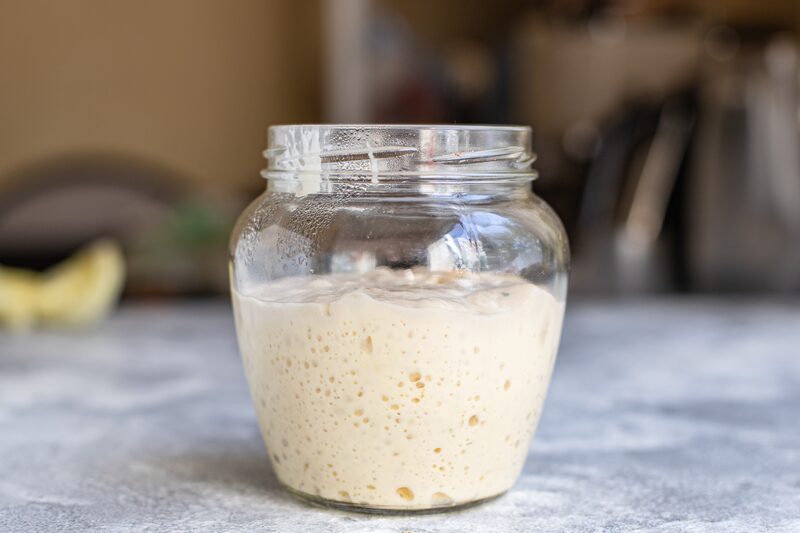
The pH to aim for in each bake
These are the standard target ranges for the finished bake. You don't have to measure anything to use this. It tells you which direction a recipe should lean.
| Bake | Target pH | Why |
|---|---|---|
| Fruit pie filling and jam | 3.0–3.8 | Bright flavor, bright color, and pectin sets best down here. |
| Sourdough bread | 3.8–4.6 | That's the tang. It also keeps longer. |
| Yeasted bread and rolls | 5.0–6.0 | Yeast is happiest slightly acidic. |
| Pound cake and loaf cakes | 6.6–7.1 | Just under neutral for a tight, pale, tender crumb. |
| Muffins and quick breads | 6.8–7.5 | Right around neutral. Clean flavor, golden top. |
| Biscuits and scones | 7.0–7.3 | Neutral. Any higher and they taste soapy. |
| White and vanilla cake | 7.0–7.5 | Close to neutral keeps the crumb pale and the vanilla clean. |
| Cookies | 6.8–8.0 | Higher end for more spread and deeper color. |
| Chocolate cake | 7.5–8.0 | Slightly alkaline for a darker crumb and rounder chocolate flavor. |
| Devil's food cake | 8.0–9.0 | The most alkaline bake on the list. That's where the deep, dark color comes from. |
Notice the pattern. Fruit and fermented bakes live low. Cakes and muffins sit near neutral. Chocolate goes high.
Here is that same pattern in bakes from my bakery, from most acidic to most alkaline. For the pies, the number is the fruit filling only. The crust and crumb sit close to neutral, so the whole slice eats much milder than the number looks.


What went wrong? Tap your problem
pH explains a lot, but it's never the only suspect. A flat muffin could be pH, or it could be old baking powder or a cool oven. So for each problem, here's the pH answer and what else to check.
Didn't rise or dome
Baking soda with no acid to react with makes no gas. Too much acid does the opposite and uses the soda up before the oven.
The fix: Add a little vinegar or lemon if there's no acid in the recipe. If there's plenty, trade some soda for baking powder.
- Old leavener. Baking powder fades once the tin is open.
- The oven is too cool, so the top sets before it can lift.
- Too much liquid. A loose batter can't hold a dome.
- The batter sat too long after the leavener went in.
Go deeper: Leaveners · Baking soda vs. baking powder · How to store your leaveners
Gummy or underbaked middle
This one is rarely pH. Look at the other causes first.
- It came out too early. Color lies, a thermometer doesn't.
- Too much water in the recipe.
- It was cut while still warm.
- Too much binder.
Gluten-free crumb sets as it cools, so let it cool all the way before you judge it.
Go deeper: Five mistakes · Binders
Pale, won't brown
pH is too low. Acid slows browning down.
The fix: Pull the acid back, or add a pinch of baking soda.
- The oven is running cool.
- Not enough sugar. Sugar is what browns.
- The bake came out a few minutes early.
Gluten-free flours have less protein, so they brown less to begin with.
Go deeper: What sugar does
Too dark, too fast
pH is too high. Baking soda speeds browning up.
The fix: Less soda, or a touch more acid.
- The oven is running hot, or the rack is too high.
- Lots of maple, molasses or brown sugar. They brown faster than white sugar.
- A dark pan.
Go deeper: What sugar does
Soapy or metallic taste
pH is too high. That's leftover baking soda that never met an acid.
The fix: Cut the soda back, or add a little vinegar or lemon juice.
- A clump of soda that didn't get mixed in.
- Too much baking powder tastes bitter too.
Go deeper: Grind down your baking soda · How much vinegar to use
Sour
pH is too low.
The fix: Less acid, or enough soda to use it up.
- Very tart fruit without enough sugar to balance it.
- A sourdough starter that fermented too long.
Go deeper: How much vinegar to use
Cookies spread too much
pH is on the high side. The dough stays loose longer before it sets.
The fix: Trade some baking soda for baking powder.
- Warm dough, or fat that was too soft.
- A lot of white sugar. It melts and flows.
- The oven is too cool, so the edges set late.
Plant-based butters from a tub carry more water, and they spread more.
Go deeper: Sugar and spread · What fat does
Cookies don't spread
pH is on the low side. The dough sets before it can move.
The fix: A little more soda, a little less acid.
- Too much flour or starch.
- Powdered sugar instead of granulated.
- Dough straight from the fridge into a hot oven.
Go deeper: Sugar and spread
Blueberries turned green
Too alkaline around the fruit. The pigment in blueberries changes color with pH.
The fix: Less soda, and a little acid in the batter.
- A clump of baking soda sitting next to the fruit.
Go deeper: Grind down your baking soda
Purple or gray crumb
Some psyllium husk carries a natural pigment that shifts color in an alkaline batter.
The fix: Lean on baking powder instead of soda.
- The brand of psyllium. Some turn, some don't.
Go deeper: How to use psyllium husk
The oven is its own lesson. If the problem looks like heat, go to oven temperatures next.
The recipe builder Still not sure which one it is? This is the tool I built to run my bakery. It checks your ratios as you type, and my bot reads your recipe and tells you what to fix. Try it free →How to balance it
The goal is not to cancel everything out. The goal is to use up your baking soda and land where the bake wants to be.
- Baking soda and vinegar: about 14g of 5% vinegar fully neutralizes 1g of baking soda. You almost never need that much, because most batters already bring their own acid.
- Baking soda and lemon juice: about the same as vinegar. Swap one for one.
- Baking soda and cream of tartar: two parts cream of tartar to one part soda. That's homemade baking powder.
- Count the acid you already have. Brown sugar, molasses, natural cocoa, fruit, yogurt and maple all bring some.
The amounts for every kind of bake are in my leaveners guide. And if your soda is clumpy, grind it down first. A clump of soda is a pocket of high pH, and you will taste it.
How much acid uses up your baking soda?
That's the most you'd ever need. Subtract for the acid already in the bowl, like brown sugar, cocoa, fruit or maple.
How to test pH
You can read most of this off the bake itself. But when a batch is hundreds of pieces, guessing gets expensive, and a pocket pH meter takes two minutes. The same test works in any kitchen.
- Weigh 10g of batter (or crumbled, cooled bake) into a glass.
- Add 90g of distilled water and stir well. Tap water will throw the number off.
- Wait two minutes, then dip a pH strip or a pocket pH meter.
What to buy, and what to spend
Get the kind that read from about 4 to 9. The wide 0 to 14 strips can't tell a 6.5 from a 7.5, and that's exactly the difference you care about. Good enough to start.
This is all most bakers need. Look for one that reads to two decimals and comes with calibration packets. Calibrate it before you trust it.
My pick for most kitchensThe tip pushes straight into dough or a finished bake. Only worth it if you test every day or you sell what you bake.
Any cheap pocket meter will do the job. You don't need a lab. Not sure which one to get? Ask me below and I'll point you to one.
Quick questions
What pH should cake batter be?
Most cakes bake best close to neutral, around 7.0 to 7.5. Chocolate cakes go a little higher, 7.5 to 8.0, for a darker color and rounder flavor.
Does baking soda raise pH?
Yes. Baking soda is alkaline, about 8.3, and it's strong. A small amount raises the pH of a whole batter, which speeds up browning and deepens the flavor.
Is lemon juice more acidic than vinegar?
On the pH scale, a little. In a recipe they do about the same job, because both are around 5 to 6 percent acid. You can swap them one for one. The difference is flavor.
Can I swap natural cocoa for Dutch-process?
You can, but the leavener has to change with it. Natural cocoa is acidic and reacts with baking soda. Dutch-process is not, so it needs baking powder to rise.
Why did my blueberries turn green?
The pigment in blueberries changes color with pH. In an alkaline batter, one with too much baking soda, it goes green. Sunflower seed butter does the same thing. It's safe to eat, it just looks odd.
Ten quick ones before you go
Get 7 right and the lesson is done.
Which one is the alkaline ingredient in your pantry?
Your blueberries turned green. What happened?
You want a darker chocolate cake. Which way do you push the pH?
Is a batter at pH 5 much more acidic than one at pH 6?
Which cocoa is acidic?
Your recipe uses Dutch-process cocoa. What should do the lifting?
Your vanilla cake is pale and won't brown. If it's pH, which way is it off?
Your muffins taste soapy. What's the likely cause?
What pH does oil have?
Which of these sits lowest on the pH scale?
Ask me about pH
Stuck on a recipe? Want an ingredient added to the chart? Ask here. I read every question, and your answer helps the next baker too.