Five Mistakes Sabotaging Your Gluten-Free Baking
After 20 years in commercial baking, I've seen the same mistakes kill gluten-free bakes again and again — and it's almost never a lack of baking knowledge.
- Give gluten-free batter a 12–18-hour fridge rest to avoid a sandy texture.
- Judge doneness with a thermometer: pull at 210–215°F, not by sight.
- Don’t skip binders, and build your flour blend for the product.
- Mix until just combined — gluten-free dough doesn’t need kneading.
After 20 years in commercial baking, I've seen the same mistakes kill GF bakes again and again. What it always comes down to isn't a lack of baking knowledge. It's not adapting standard techniques to the unique needs of gluten-free baking.
Mistake #1: Baking Same Day
One of the hallmarks of bad gluten-free baking is a grainy, sandy texture. The culprit is same-day baking that doesn't give the batter time to develop and hydrate, leaving you with uneven moisture and grainy results.
A 12–18-hour fridge rest is the key. Gluten-free flour needs overnight rest. When you mix, starch granules need time to hydrate and absorb water into their matrix fully. Your dry ingredients, like binders and starches, also need to settle into a uniform suspension.
Flavor deepens too—even cold fermentation works.
Mistake #2: Judging Doneness by Sight
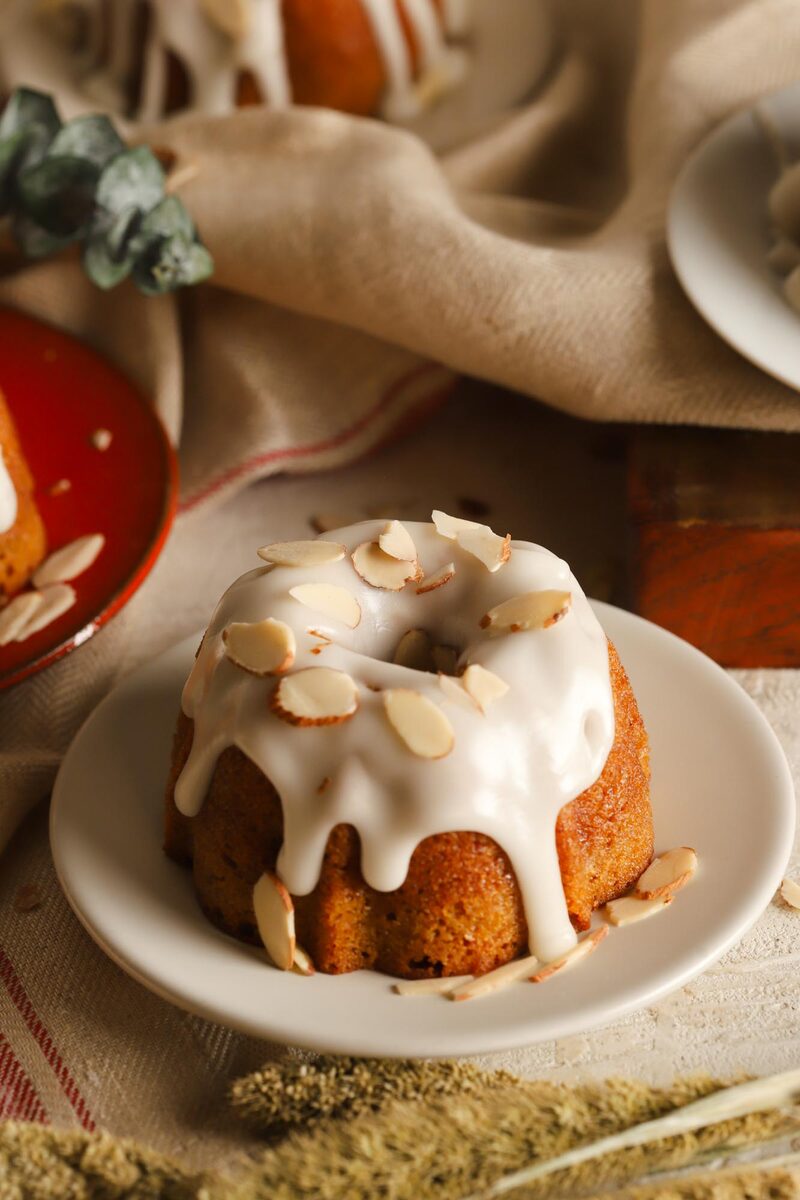
Don't trust a golden top and a clean toothpick. Gluten-free crumb is dense, and heat moves through it more slowly than wheat. Your surface bakes fast while the interior stays damp and gummy. Even worse, carryover cooking is more pronounced in GF goods. You need higher internal temps than wheat benchmarks.
Use an instant-read thermometer to ensure the correct internal temperature. The $15 investment is well worth the results. Pull at 210–215°F (depending on product).
Mistake #3: Forgetting Binders
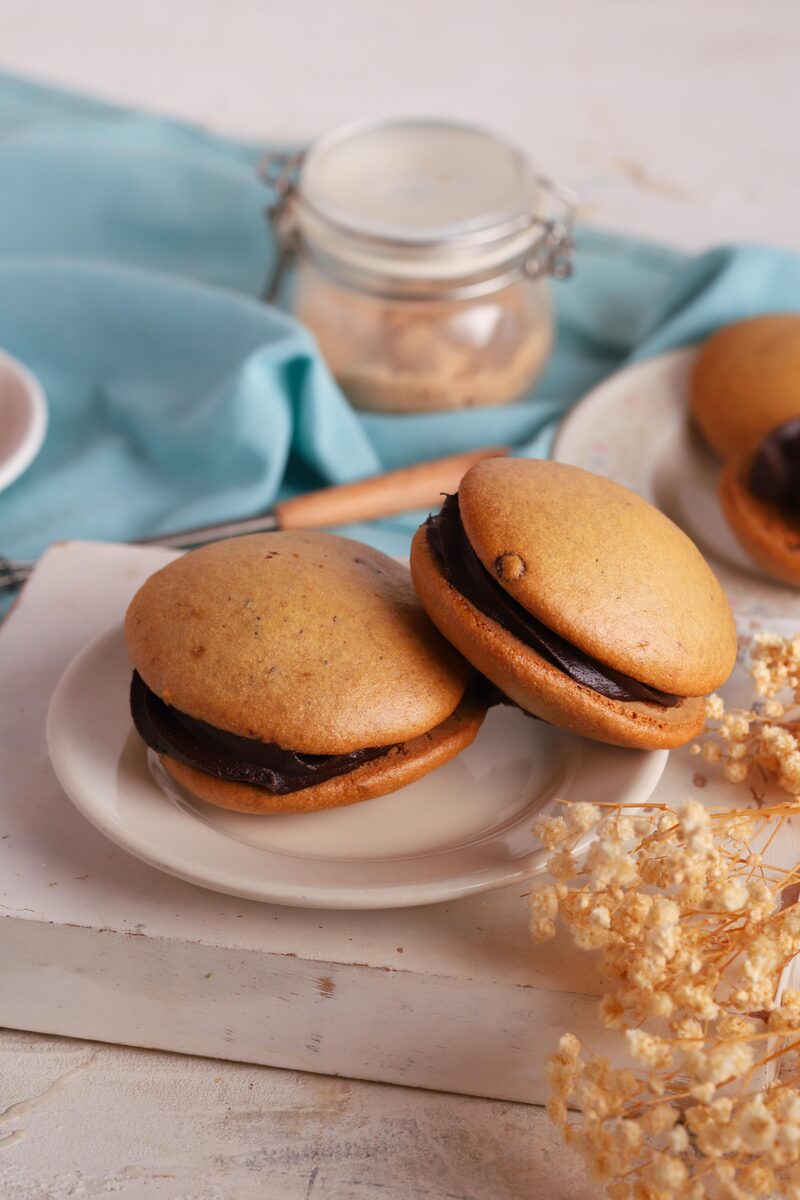
Gluten holds together baked goods and provides structure. If you're using flours without gluten, you'll have to add something else in to fill that role. Dealing with binders may seem like extra work, but their importance cannot be overstated. They help absorb moisture without making things dry and crumbly, give stretch and elasticity, and produce a soft, airy crumb.
Xanthan gum, flaxseed, and psyllium husk are all great binders for gluten-free baking. For more information on how and when to use them, click here.
Mistake #4: Using All-Purpose GF Flour Blends
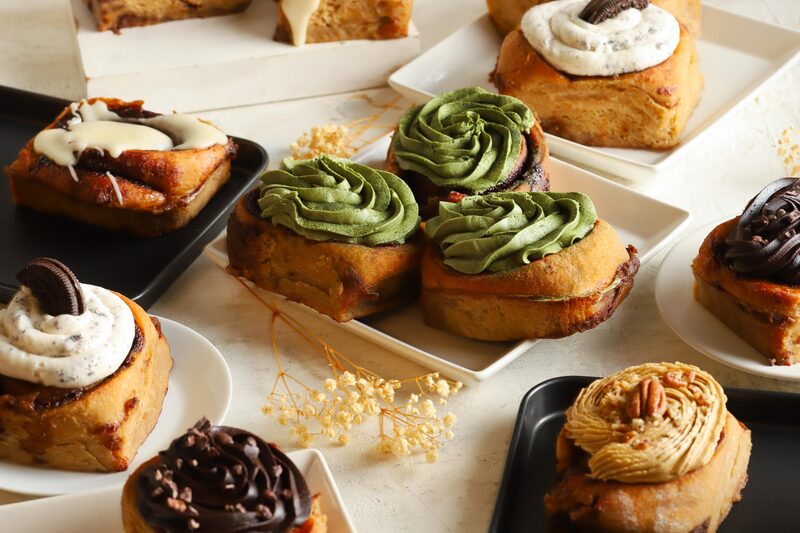
Gluten-free flours aren't a one-size-fits-all replacement for wheat flour. Every type of gluten-free flour has a different purpose, and every gluten-free bake has different needs. Think functionally about what each flour does—protein content, starch type, hydration capacity—and build your blend to suit your product.
How I built my own:
- Bread: Sorghum + rice + tapioca + xanthan (stretch, structure)
- Muffins: Rice + tapioca + cornstarch (soft, moist, tender)
- Cookies: Rice + potato starch, minimal binders (flaky, delicate spread)
For a more detailed guide on gluten-free flour blends, click here.
Mistake #5: Over-Mixing
If you're dealing with gummy, dense bakes, this may be the reason. Overmixing deflates the air bubbles in the batter that keep things light and fluffy. Mix until ingredients are just combined, and remember that undermixing is better than overmixing.
Kneading dough is the same situation. Gluten-free dough doesn't actually need to be kneaded, since there's no gluten to develop. All you need to do is mix until combined.
Keep going: 5 Gluten-Free Baking Tips I Use Every Day in a Commercial Kitchen, My best gluten-free baking tips, Our Gluten-Free Flour Blend.
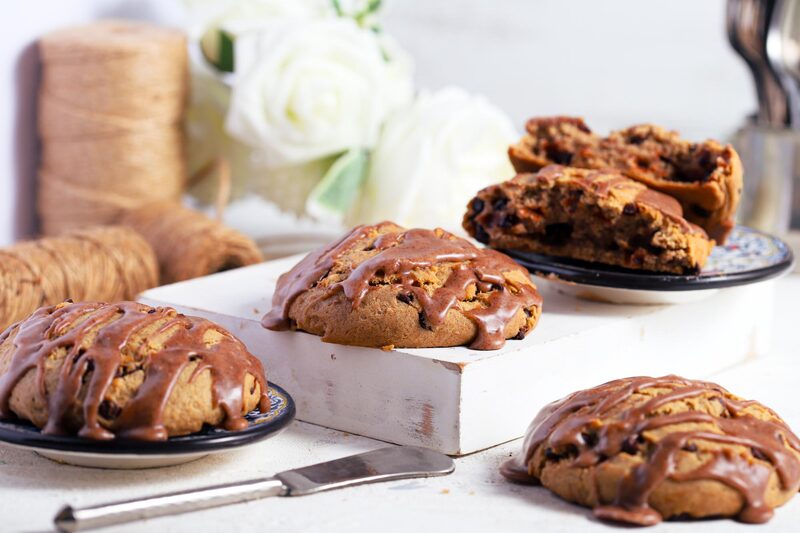
Gluten-free, done right
Taste the results of twenty years of honing gluten-free baking technique.
Shop my bakery →