Starter Guide to Gluten-Free Flours
Gluten-free flours aren't one-to-one swaps for wheat. A starter guide to the flours we use most — what each does, when to reach for it, and a sample blend to get you started.
There's a lot that can go wrong when baking gluten-free, and the key to success is knowing when to use which ingredients. Gluten-free flours are not one-to-one substitutes for wheat, and they each have their own uses.
Most gluten-free baking is done with a blend of multiple flours, but there's no all-purpose mix. You'll need to know what properties each flour has in order to know when to add them in.
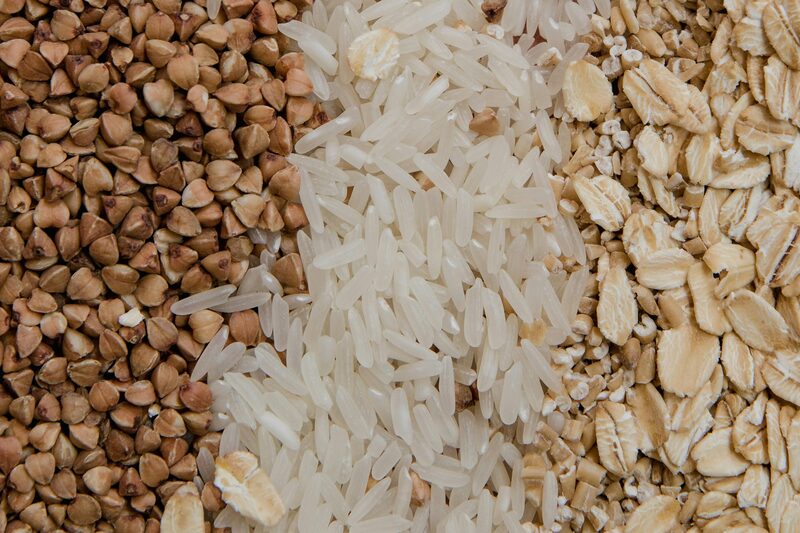
Oat flour
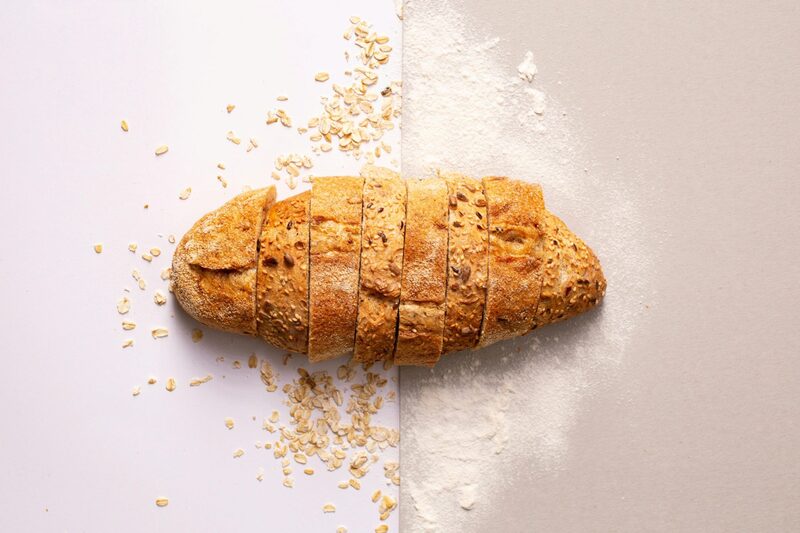
- Soft texture, mild earthy and nutty flavor.
- Gives bakes a delicate and smooth texture and adds in starch and moisture.
- Adds fiber and nutrients.
- Not always gluten-free — be aware of what precautions are being taken during manufacturing.
White rice flour
- White rice flour, brown rice flour, and sweet rice flour are all different and have different uses in baking. At the bakery we use white rice flour.
- Neutral flavor and light texture.
- High fiber.
- Get a finely ground rice flour or it can be a bit gritty.
- Often a base component of flour blends. Not good for high-fat low-moisture bakes but combines well with other flours.
Almond flour
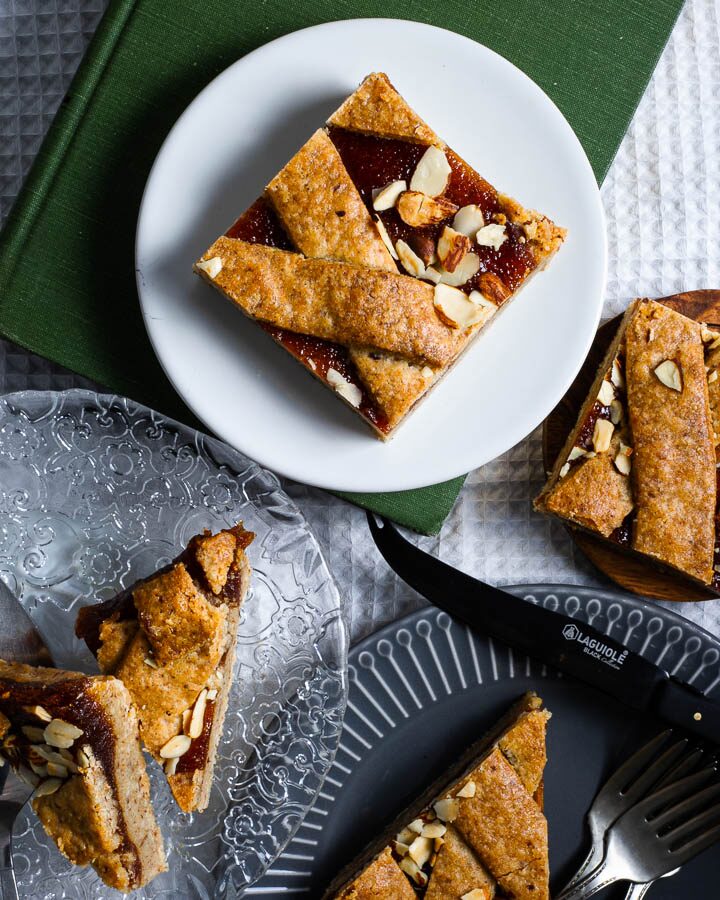
- Nutty (shocking) flavor and coarser texture, but can create soft and delicate bakes.
- Adds fiber, protein, and nutrients.
- There's almond flour made with the full almond that is darker and more fibrous, and almond flour with the skins removed that is lighter and less coarse.
- Good for bakes with fruit or other flavors that would be complimented by the nutty flavor.
Coconut flour
- Sweet, mild coconut flavor.
- High in fiber and healthy fats, low in carbs.
- Very soft and powdery, as well as somewhat clumpy and sticky.
- Highly absorbent — add in extra liquid or it will dry out bakes.
Corn flour
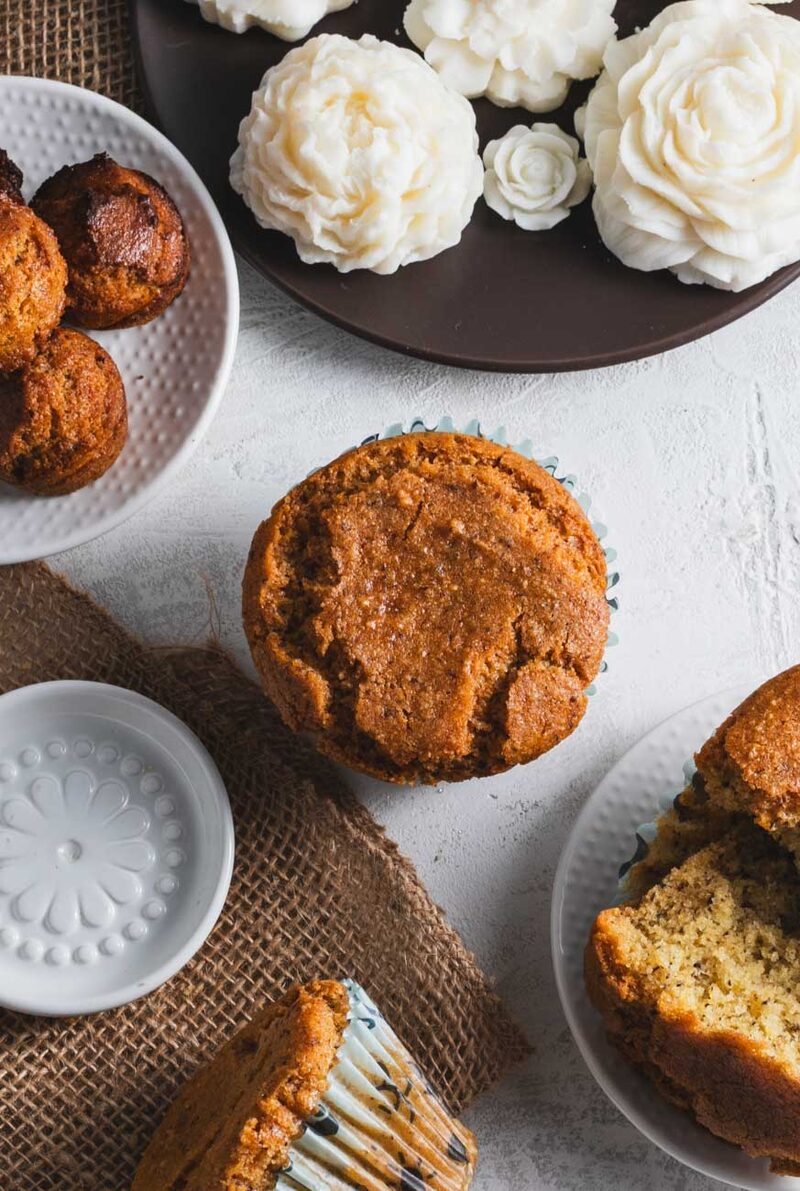
- Distinct corn flavor and coarser texture than other flours.
- Corn flour is not interchangeable with cornstarch or cornmeal. It's finer ground than cornmeal, and made with the full kernel of corn unlike cornstarch.
- Can create brittle bakes if not mixed with other flours.
Sorghum flour
- A soft, whole-grain flour with a mild, slightly sweet flavor — it behaves more like a whole wheat than the neutral starches do.
- Adds nutrition and a tender softness, but it’s low on structure by itself.
- Cap it at 20–25% of your blend. Past that it turns bakes soft and dense — it needs rice flour and a starch alongside it to hold up.
Starches
Gluten-free flour blends typically contain a combination of flours and starches to mimic the properties of wheat flour.
Tapioca starch
- Fluffy, adds stretch and chew.
- Also used as a thickening agent and binder.
- Too much can get gummy.
- Works well with potato starch.
Potato starch
- Neutral flavor — no potato taste.
- Gives smooth and tender texture.
- Gives structure and binds together bakes.
- Can get soggy in some bakes.
Making your flour mix
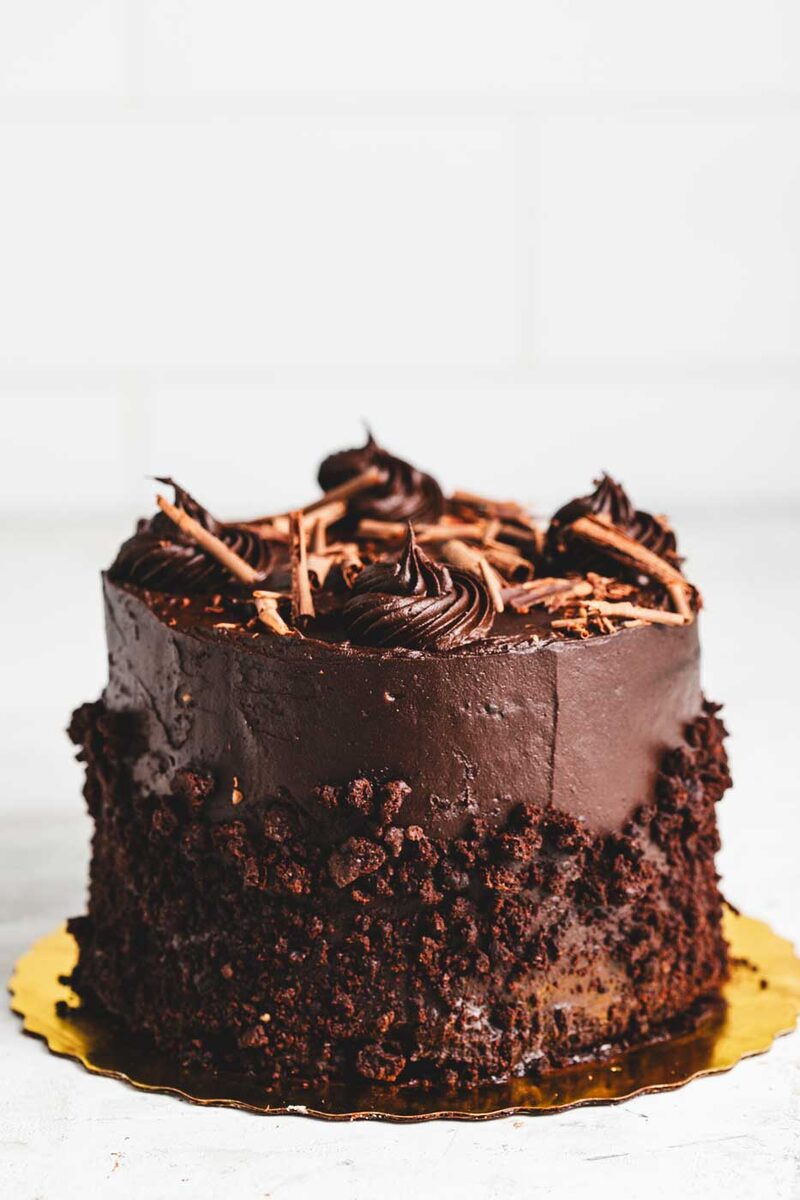
To see how these flours can work together, here's one flour mix that we use often at the bakery. It's very versatile but is especially great for soft, moist cakes.
- 33 g rice flour
- 11 g potato starch
- 6 g tapioca flour
- 1 g xanthan (binder)
Scale as needed.
Want just this blend, scaled to a jar? It’s on its own page now: our gluten-free flour blend. For more on the importance of xanthan and other binders for gluten-free baking, check out our binders post.
Different bakes call for different flour combinations, so this mix is not a catch-all solution. If you're just starting out, follow specifically gluten-free recipes and use their flour mixes — once you get more familiar with the results, you'll be able to experiment.
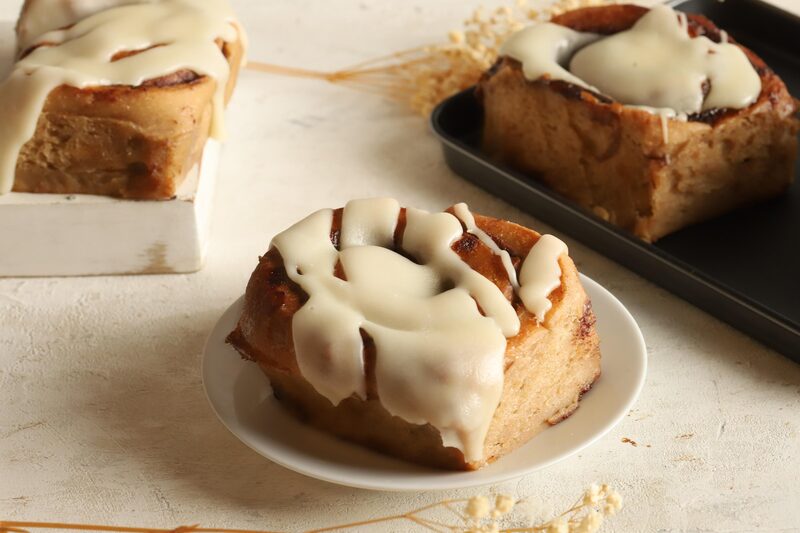
Taste the difference with quality gluten-free baking
Soft, moist, and never gritty. Vegan and gluten-free bakes from our kitchen, made with the same flour blends we just walked you through.
Shop at Sensible →