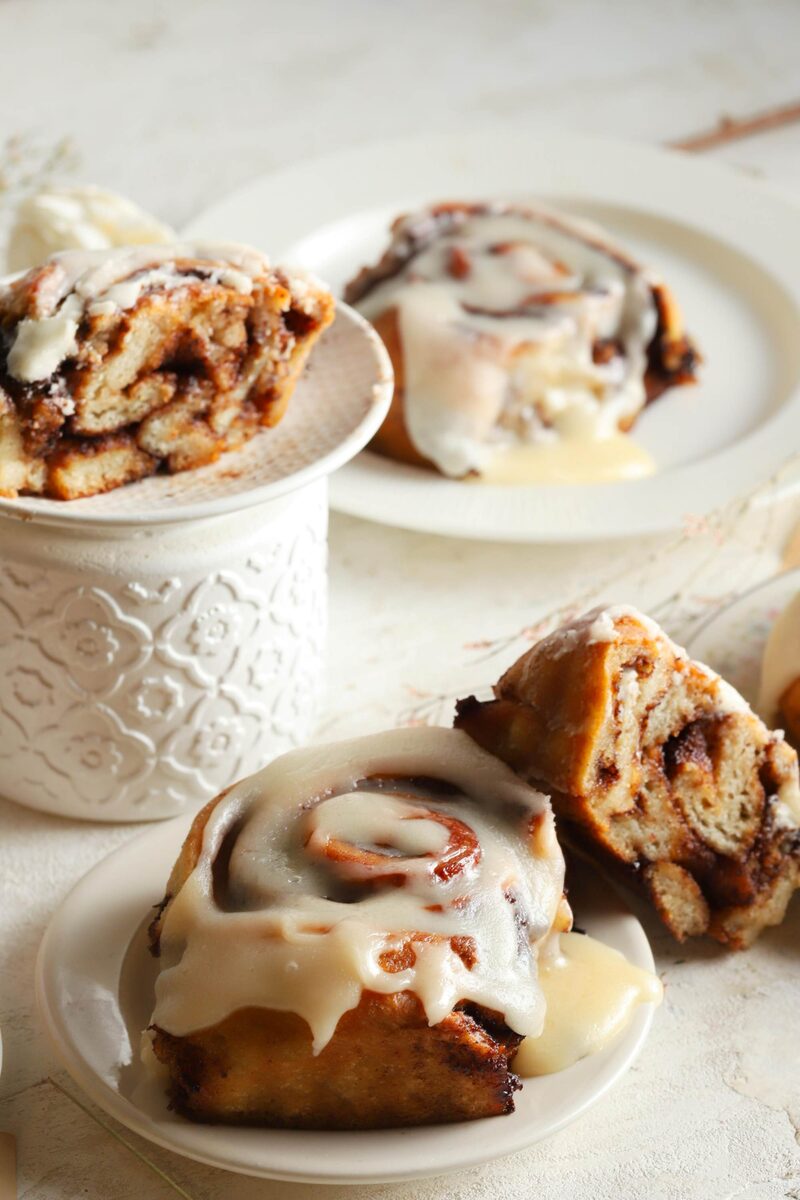
How to Use Psyllium Husk
Psyllium husk is the secret ingredient behind I-can't-believe-it's-gluten-free baking.
Psyllium husk is the secret ingredient behind I-can’t-believe-it’s-gluten-free baking. It replicates the functions of gluten as a binder, giving gluten-free baking the stretch and texture it needs.
Psyllium vs. Xanthan Gum
This is the question I get most: isn’t psyllium just xanthan? No. They’re both binders, but they do different jobs, and knowing the difference is most of the battle.
Xanthan gum thickens. It makes a batter more cohesive and slows it from spreading, but it doesn’t stretch. Reach for it in cakes, cookies, and muffins — anywhere you want tenderness and a little hold, not chew.
Psyllium builds structure. It forms a gel that traps water and gives dough real elasticity — the stretch and chew that makes gluten-free bread, pizza, and bagels feel like the real thing. Xanthan can’t do that.
Rule of thumb: xanthan when you want soft and tender, psyllium when you want structure and chew. They aren’t interchangeable, and in a lot of my bread recipes I use a small amount of both — psyllium for the stretch, a pinch of xanthan for the crumb.
Making the Gel
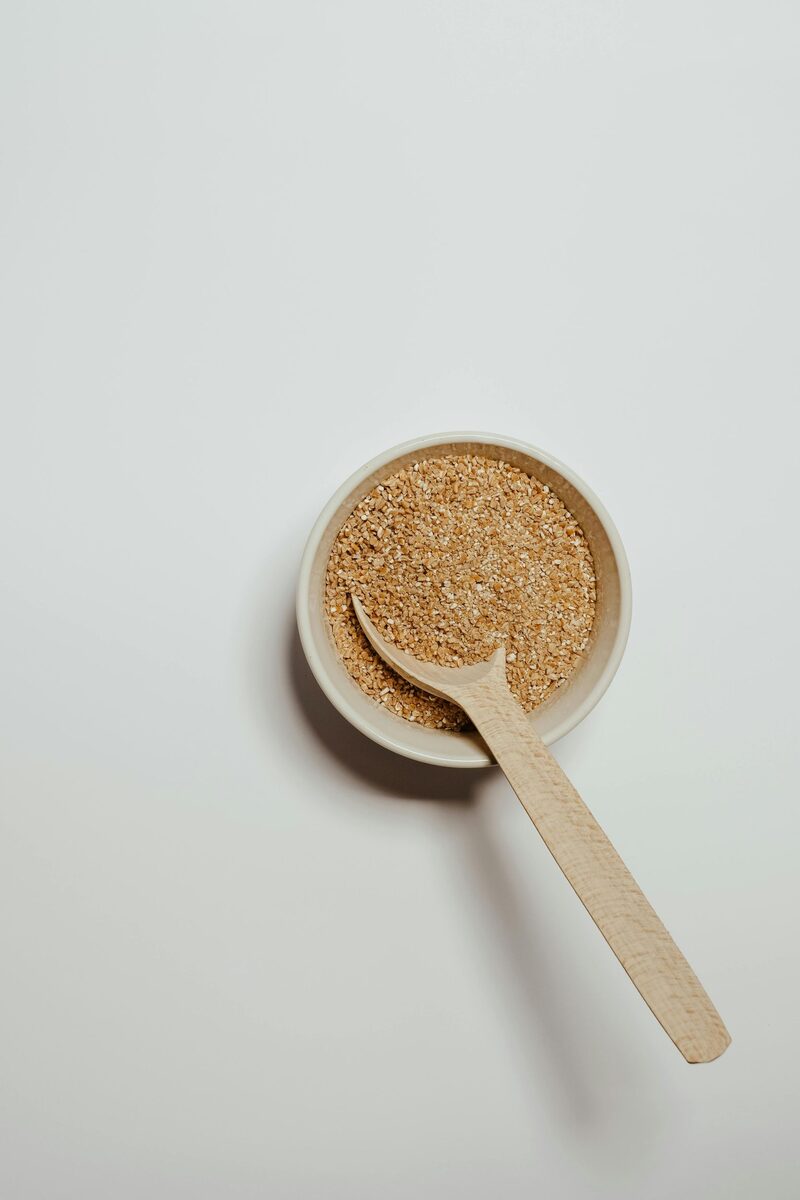
To add psyllium husk into your bake, first you need to mix it with water and let it firm up into a gel. I use psyllium powder rather than whole husks as it gels quicker and disperses more evenly. Match the ratio of psyllium to water to the bake:
Loose Gel — 1:6–8
Cookies, pancakes, light batters.
Medium Gel — 1:4–5
Muffins, quick breads, cakes.
Stiff Gel — 1:4–5
Yeasted breads, pizza, bagels.
Ratios by Baking Category
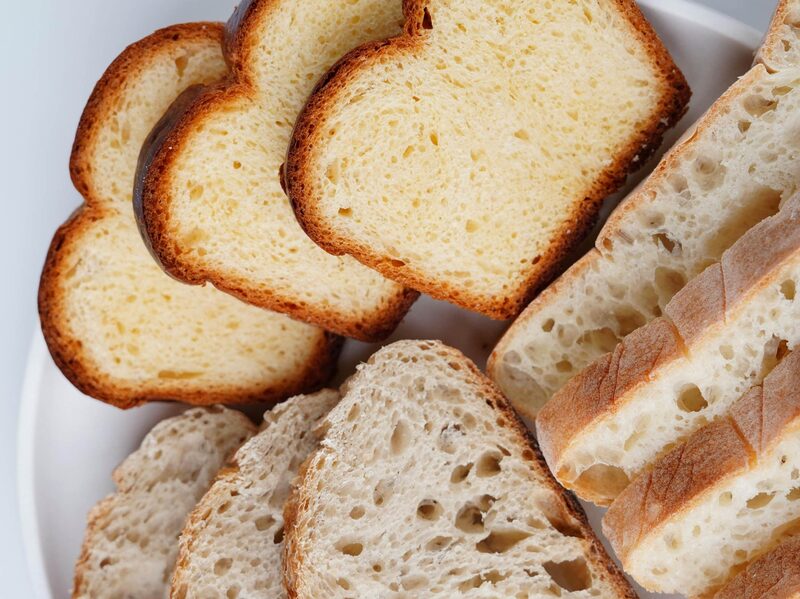
Each bake has its own ideal percentage of psyllium as well as gel ratio. Bakers percentages give ingredients amount as a percent of the flour weight.
Yeasted Breads
Bakers %: 3–5% · Stiff gel: 1:3–4
- Acts as gluten replacement for structure and chew.
- Higher end for sandwich loaves; lower for crusty artisan.
Pizza Dough
Bakers %: 3–4% · Stiff gel: 1:3
- Stiff gel gives stretch and pliability.
- Pre-gel with cold water for better workability.
- Too much psyllium makes crust tough — stay in the 3–4% range.
Sourdough Bread
Bakers %: 3–4% · Stiff gel: 1:3–4
- Acid environment from starter strengthens the gel slightly — you can often use slightly less psyllium vs. commercial yeast.
- Pre-gel with room-temp water.
- Overall dough hydration typically 75–85%; psyllium accounts for part of that water.
Muffins
Bakers %: 1–2% · Medium gel: 1:4–5
- Light binder — too much makes muffins gummy.
- If your recipe already has eggs + xanthan, you may be able to skip psyllium.
Quick Breads
Bakers %: 2–3% · Medium gel: 1:4
- Banana bread, zucchini bread, etc.
- Psyllium adds cohesion and moisture retention.
Cakes
Bakers %: 0.5–1% · Medium gel: 1:5
- Use sparingly — heavy psyllium leads to gummy, dense texture.
- Often better to rely on eggs or flax for binding in cakes. Use psyllium only when egg-free.
Cookies
Bakers %: 1–1.5% · Medium gel: 1:6–8
- Keeps cookies from crumbling without making them cakey.
- Loose gel disperses evenly.
- Drop cookies can take slightly more psyllium than rolled/cut styles.
Buying It Without Overpaying
People tell me every brand looks expensive, and the health-food tubs are. Here’s the trick: psyllium is sold in South Asian groceries as isabgol — the exact same thing at a fraction of the price. Buy the powder, not the whole husk, and read the label: you want 100% psyllium husk with nothing else added, no fillers, no flavor. One bag lasts most home bakers months.
Why Your Bread Turns Purple
If your loaf comes out purple, grey, or pinkish in the crumb, it’s the psyllium — and it’s harmless. Some psyllium, especially whole husk and certain brands, carries a natural pigment that shifts color in an alkaline batter. The more baking soda in the mix, the more it shows. Nothing’s wrong with the bread; it just looks strange.
To keep the crumb its normal color: use a lighter blond psyllium powder rather than whole husk, and if a brand keeps turning your bakes purple, switch brands — some do it far more than others. Leaning on baking powder instead of a heavy hand of baking soda helps too, since it’s the alkalinity that sets the color off.
Bakes built on better binders
Vegan and gluten-free bakes from a real bakery kitchen, made with the techniques on this page.
Shop at Sensible →