
Naturally Color Treats
Skip the artificial dyes. Beet, butterfly pea, spirulina, turmeric, and matcha — our favorite natural food colors and how to get the most out of them.
We all love fun, whimsical, brightly-colored treats, but the artificial dyes those colors often come from? Not so much. The good news is that there are beautiful, vibrant colors all around us from natural, plant-based sources. Let's talk about some of our favorite natural food dyes here at Sensible Bakery, plus some tips for how to get the most out of them.
Before we get into it, we do want to set expectations a bit. Plant-based alternatives aren't going to look the same as artificial colors, they're going to look like colors you'll actually see in nature. While that does mean some limits in what colors are possible to get, we're of the opinion that all natural foods look better, and you can feel better eating them.
Pink
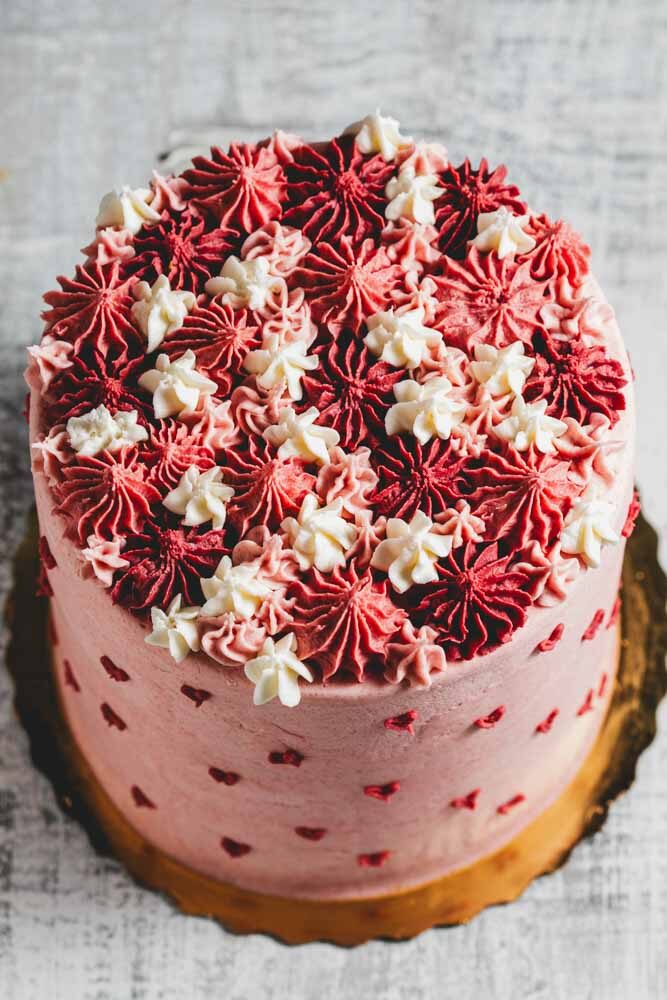
Beet powder is the secret ingredient behind our fan favorite Inside Out Pink Velvet Cake. To get the most vibrant color add a little bit of lemon juice or vinegar. You can also make your beet powder go a whole lot farther by immersion blending it with oil — coconut oil is our favorite — and this trick will work for most other powdered ingredients used for coloring as well. You'll get all that beautiful color without dumping in tons of powder or ending up with a beety flavor.
Purple/Blue
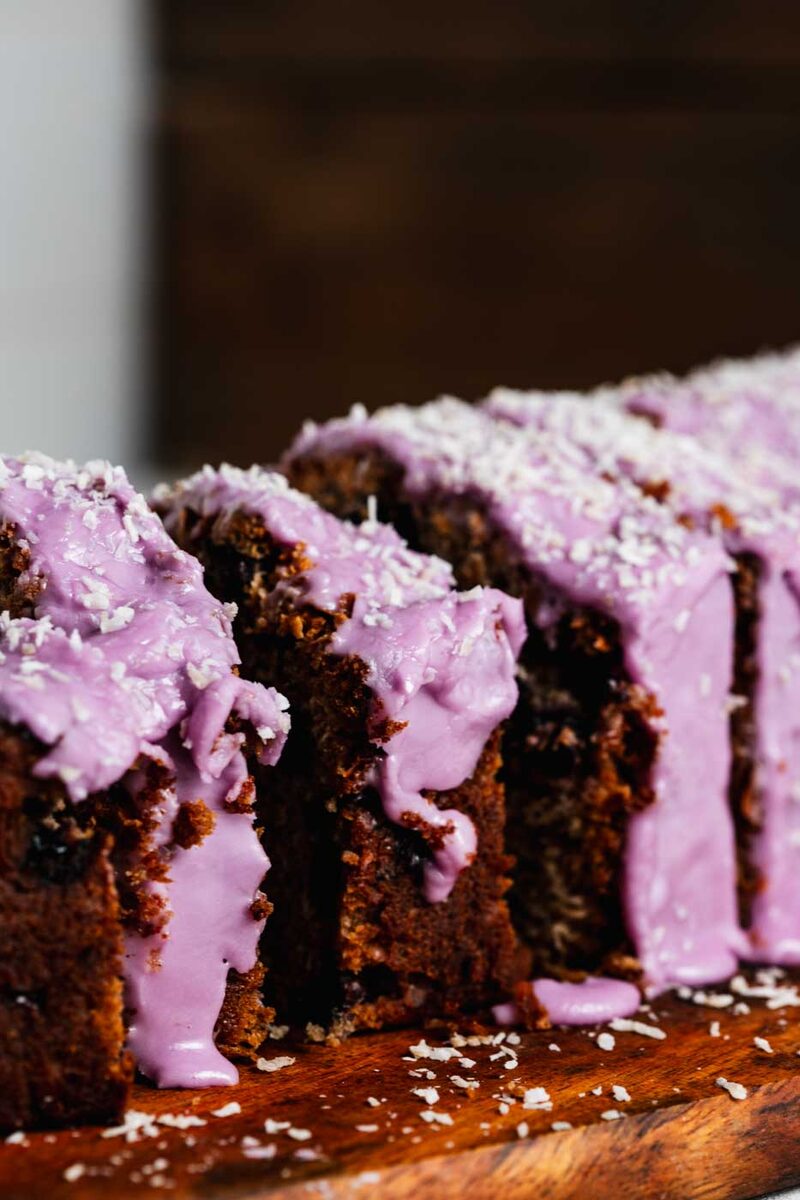
Butterfly pea flower is popularly used for tea, and is a gorgeous natural color with some impressive health benefits! It's rich in antioxidants that are anti-inflammatory and excellent for skin and hair health, plus studies have shown it to help manage blood sugar levels and weight loss. You can buy it in a powder that's super easy to mix into frostings or glazes to get a blue color, or since it's a pH indicator, add something acidic like lemon juice to get a rich purple — it's like magic!
Blue
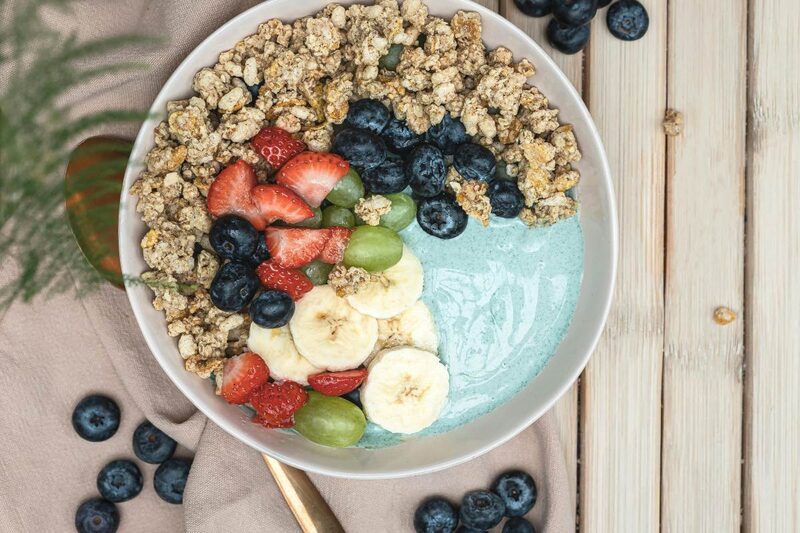
A long time trendy add in for smoothies and bowls, you've definitely seen the results of blue spirulina powder. Spirulina is a blue-green algae that is often called a superfood due to its wide range of health benefits. It's packed with nutrients, vitamins, and antioxidants, and can lower blood pressure, reduce cholesterol, and prevent eye diseases.
Yellow
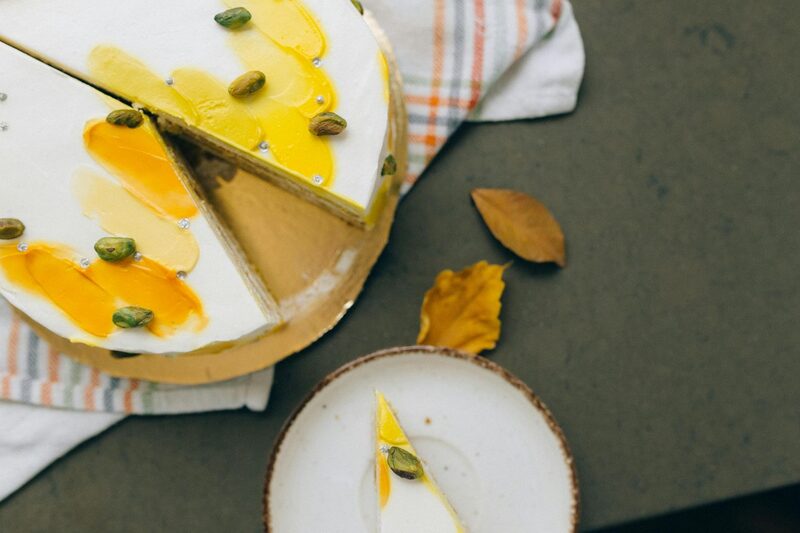
It might seem like an odd choice for dessert, but turmeric is the winner for natural yellow dyes. The taste won't be noticeable at all, and it's anti-inflammatory, antioxidant, and shown potential in treating a wide range of diseases. To make your turmeric go further you can blend it with a fat like beet powder, or boil a teaspoon of it in 1/2 cup warm water until it's reduced by half. Adding more turmeric will get you a deeper, orangey color, and to go redder you can experiment with adding tiny amounts of beet powder. Be warned — turmeric will stain absolutely anything it touches.
Green
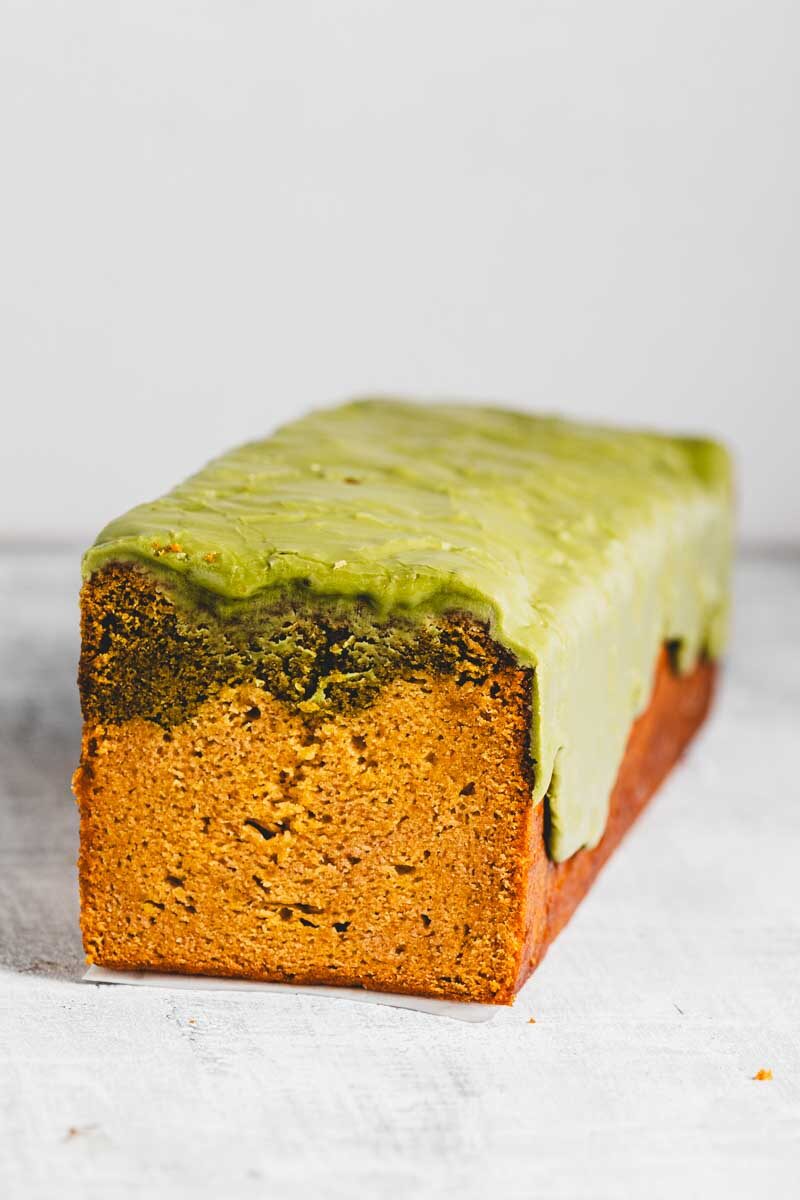
To get a green that looks and tastes great you can't beat matcha. It does bring with it a distinctive earthy taste, but if you're a lover of matcha like us that's just a bonus. Dissolve 1–2 teaspoons of matcha in 2 tablespoons of water to make a paste you can add into your icing. Higher quality matcha will have a stronger color.
Final Thoughts

These are some of our favorite methods for natural coloring, but we encourage you to experiment! Try carrot juice for orange, or spinach for green. If you want to top off your creations with some naturally colored sprinkles, we're proud to use Sweetopia for all our products.
The natural world is filled with possibilites, so have fun and enjoy colorful sweets that are better for your body.
Naturally colored, beautifully baked
Every cake, cookie, and treat from our kitchen is colored with plants — never artificial dyes.
Shop at Sensible →