How to Make Your Own Baking Powder (2 Ingredients, No Aluminum)
Homemade baking powder is just baking soda and cream of tartar. Here's my ratio, how to make a big batch that won't clump, how to store it, and how to test it.
- 1 part baking soda + 2 parts cream of tartar. That's baking powder.
- Making a big batch to store? Add 1 part gluten-free cornstarch to soak up moisture and stop clumping.
- Use it 1:1 in place of store-bought baking powder.
- Use it within a few weeks, and test it first: a spoonful in hot water should fizz right away.
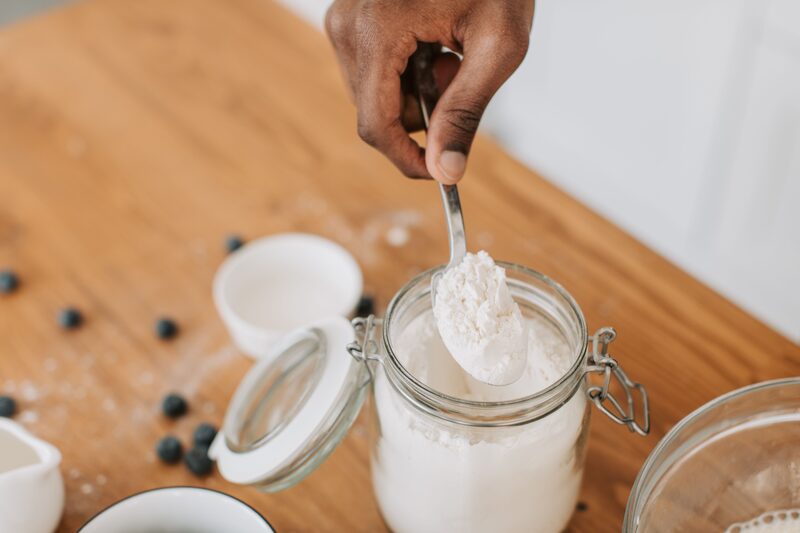
That's it, I'm making my own baking powder. The one in my pantry was expired. The next one wasn't gluten-free, and the gluten-free one costs five times as much. And a lot of them are full of aluminum. So let's make our own together. It's super simple, and it's 2 or 3 ingredients straight out of your pantry.
No aluminum, no weird ingredients. Just baking soda, cream of tartar, and a little cornstarch if you're storing it.
The ratio
Baking powder is just a base and an acid that stay dry until you need them. Baking soda is the base. Cream of tartar is the acid. When they get wet, they react and give off the gas that lifts your bake. Two parts acid to one part soda is the balance that uses up all the soda, so you get a clean rise and no soapy, metallic aftertaste.
| Ingredient | Small batch (about 1 tbsp) | Big batch to store |
|---|---|---|
| Baking soda | 1 tsp | ¼ cup |
| Cream of tartar | 2 tsp | ½ cup |
| Gluten-free cornstarch | skip it | ¼ cup |
Whisk it together really well, or sift it, so the soda is spread evenly. A pocket of straight baking soda is what gives you those bitter spots in a muffin.
Why the cornstarch is there
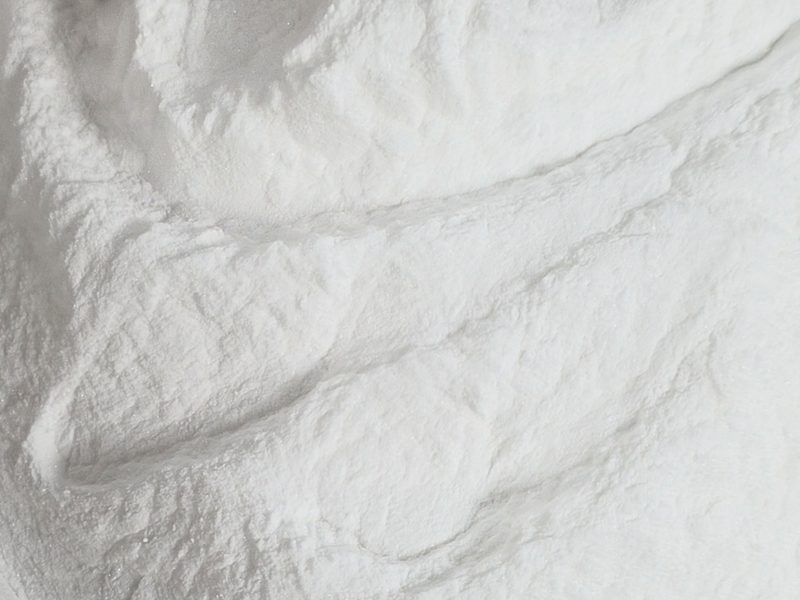
If you're mixing up just enough for one recipe, you don't need it. But if you want to make a big batch and keep it like we do at the bakery, add cornstarch. It absorbs moisture from the air before the soda and the acid can, so the powder doesn't clump and doesn't start reacting in the jar. How much? One part, the same amount as your baking soda. Make sure your cornstarch says gluten-free if that matters to you.
How to store it
Keep it in an airtight jar in a cool, dry cupboard, away from the stove and the dishwasher. Baking powder expires, and homemade loses its punch faster than store-bought, so use it within a few weeks. Make smaller batches more often rather than one giant jar. For the rest of your pantry, I wrote up how to store baking soda, baking powder and everything else.
How to test it
Don't guess. Put some water in a cup (hot water works best), add a spoonful of your baking powder, and watch. If it bubbles up right away, you're good. You can even hear it fizz. If it just sits there, it's done, so make a fresh batch.
One thing to know before you bake with it
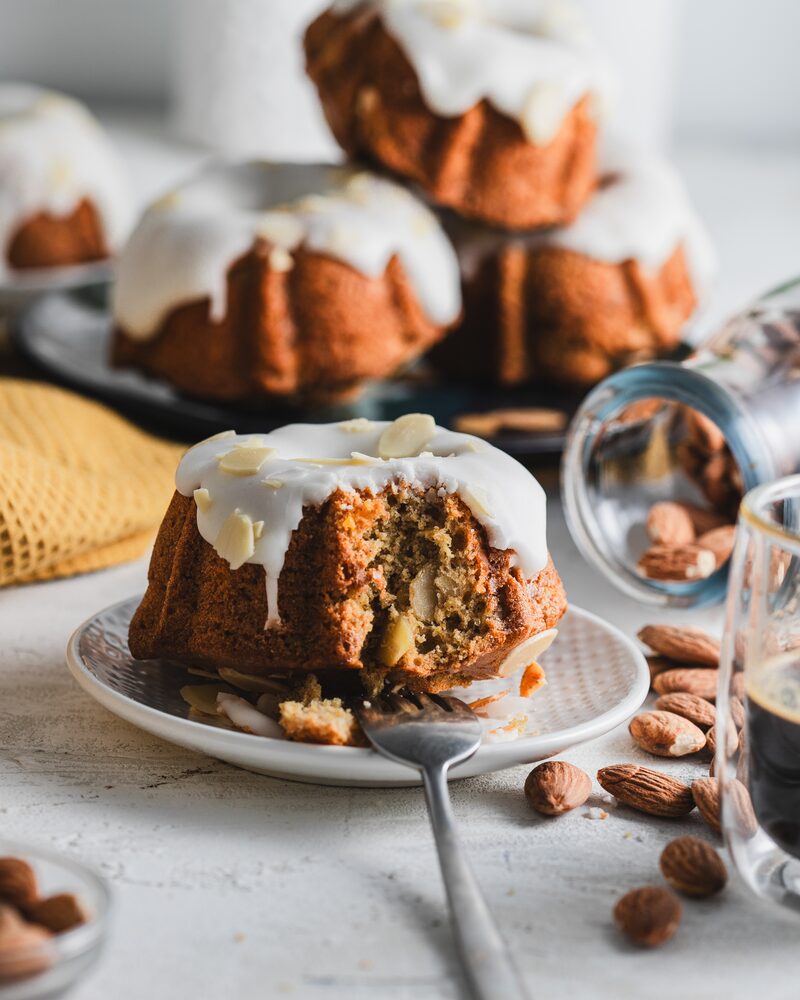
Most store-bought baking powder is double-acting. It reacts once when it gets wet and again in the oven. Homemade baking powder is single-acting, because cream of tartar reacts as soon as it hits liquid. So once it's in the batter, get it into the pan and into a hot oven. If you rest your batter overnight like we do, add your homemade baking powder the next day, right before baking. I explain exactly how in when to add baking powder last.
More on getting the rise right: baking soda vs. baking powder and leaveners in gluten-free baking.