
Stop Adding Baking Powder With Your Dry Ingredients
Gluten-free batters need long mixing — and if your baking powder is in from the start, the rise is gone before it bakes. Add it last. Here's the timing, the technique, and how to fix collapse after switching to double-acting.
- Mix the whole batter without baking powder.
- Stir the baking powder into 1–2 tbsp of flour, add it last, and mix 30–45 seconds.
- Bake right away. Resting overnight? Rest it before the baking powder goes in.
- Switched to double-acting and they collapse? Use about 25% less.
Gluten-free batters need more mixing time than wheat batters. More hydration time, more emulsification, more mechanical work to build structure. The problem is that if your baking powder goes in with your dry ingredients, it's reacting the entire time you're mixing. By the time the batter is ready to bake, the gas is already gone. You're getting rise from an exhausted leavener — and a flat, dense result to show for it.
The fix is simple: add your baking powder at the end of mixing, not the beginning.
Why Timing Matters
Baking powder starts releasing CO₂ the moment it contacts moisture. Single-acting (cream of tartar + baking soda) reacts entirely on contact — one reaction, done. Double-acting releases gas twice: once cold, once in the oven. Either way, every second of wet mixing after the leavener is in is gas you're losing to the atmosphere instead of into your bake. Adding it last means the reaction happens where it's supposed to — in a hot oven, inside a structured batter.
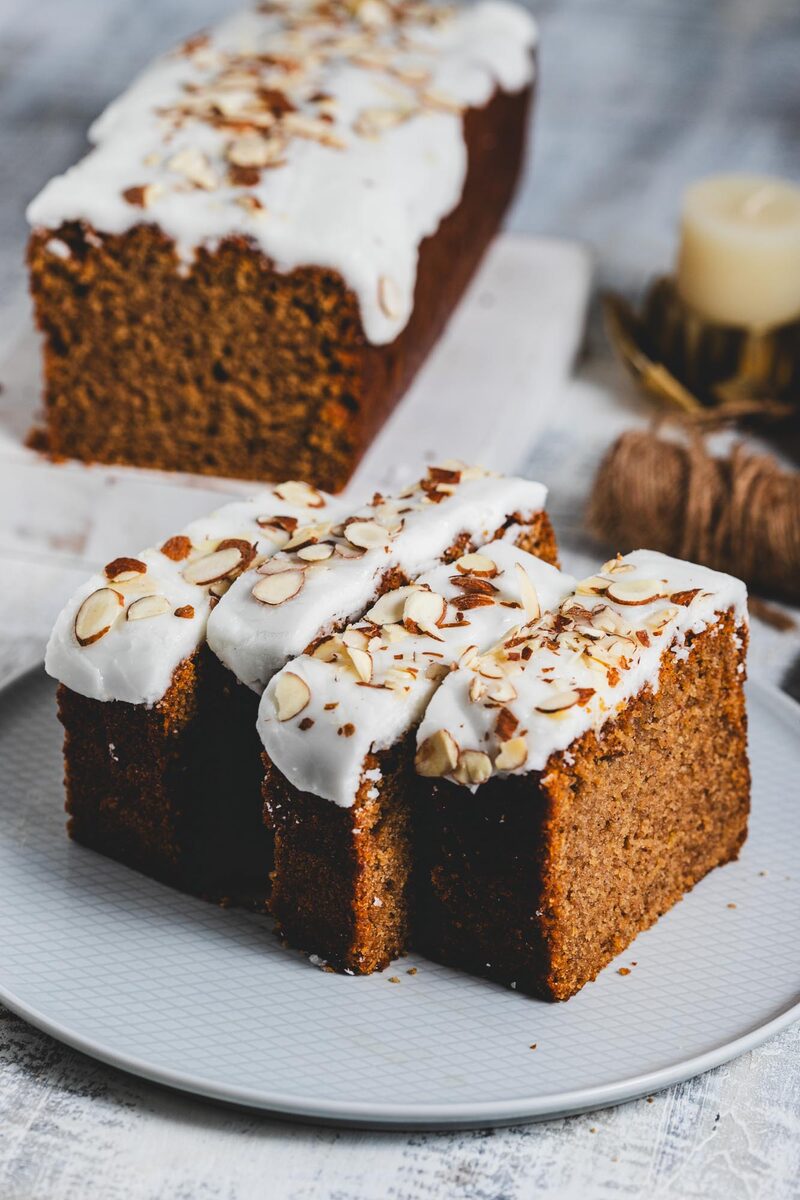
Mixing Steps for Adding Baking Powder at the End
1. Mix your batter fully without baking powder
Combine all dry ingredients except baking powder. Add to wet and mix to full development. Let the batter hydrate, emulsify, and come together completely.
2. Pre-disperse baking powder into a small amount of flour
Never dump baking powder straight into wet batter. Mix your measured baking powder with 1–2 tablespoons of flour first. This gives it something to disperse into evenly before it hits the moisture in your batter, to avoid bitter, concentrated pockets.
3. Add to the batter and mix 30–45 seconds on medium
You're not just folding it in, so you need real mechanical mixing to distribute the leavener evenly through the batter. Undermix and you get uneven rise. Overmix and you're back to where you started.
4. Pour into pan immediately and bake
Don't rest the batter after the baking powder is in. Get it into pans and into a preheated oven right away for maximum rise.
What if my recipe rests overnight?
This is the question I get most, so let's settle it. Plenty of gluten-free batters and doughs are better after a long rest — the flours hydrate, the starches set up, the flavor deepens. That's fine. Just rest it without the baking powder. Do everything up through step 1, cover it, and let it sit in the fridge overnight. The next morning, take it out, pre-disperse your baking powder into a spoonful of flour (step 2), mix it in for 30–45 seconds (step 3), and bake right away (step 4).
Same logic the whole post runs on: baking powder starts reacting the moment it gets wet. Leave it in the batter for twelve hours in the fridge and you've spent the first lift before the pan ever sees heat. Rest the batter, add the leavener last — even when "last" is the next day.
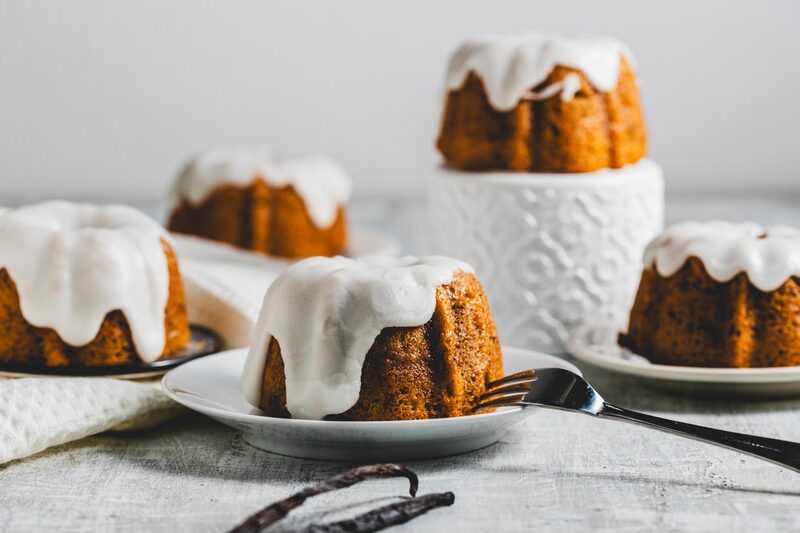
Also Switching to Double-Acting? Read This.
If your muffins spring and collapse after switching baking powders, you have a second problem on top of timing.
Double-acting baking powder produces more total CO₂ than single-acting. If your recipe was calibrated for single-acting, you're now over-leavening. There are too many bubbles and the structure can't hold them, so it collapses on cooling. Late addition helps with timing, but it won't fix a volume problem. You need to reduce the amount too. Try cutting your double-acting amount by 25% - so if you would use 1 tsp single-acting, use ¾ tsp double-acting. Try baking a test batch to see the results. You should get a clean dome with no collapse after full cooling. If they still sink, drop another 10–15% and test again.
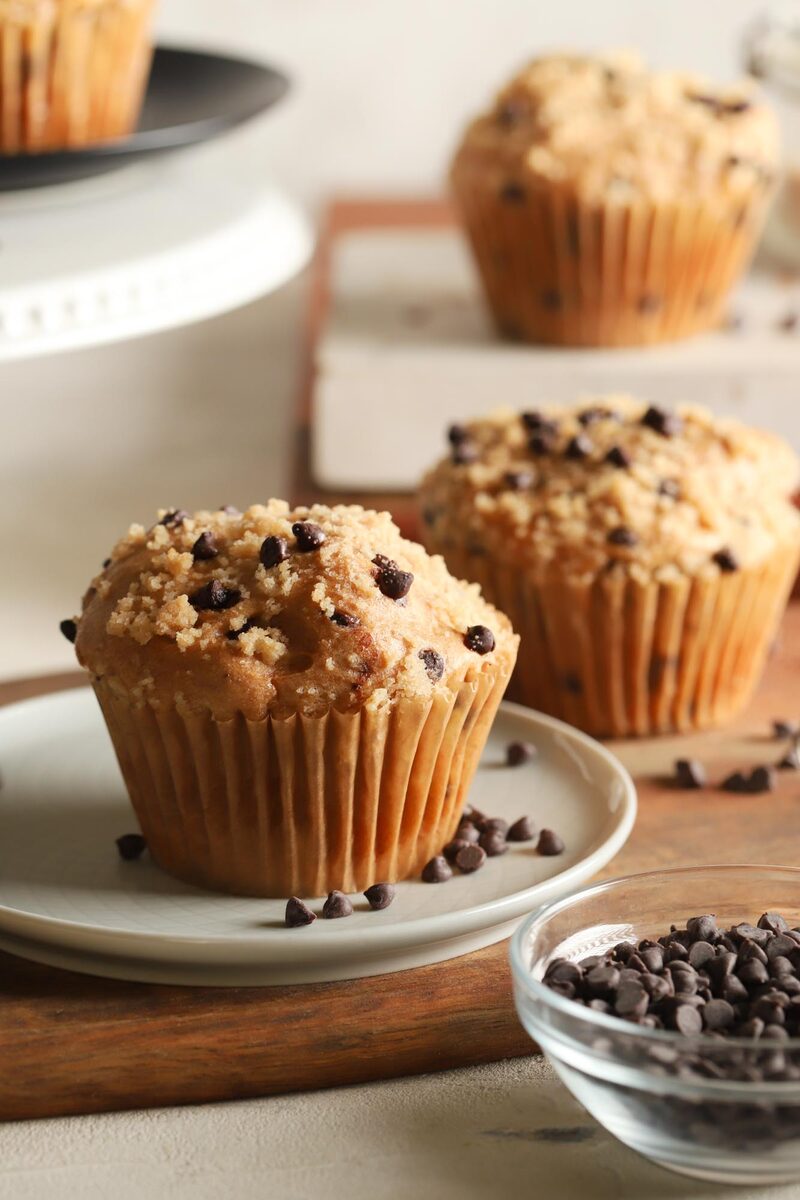
If you're still dealing with collapse, other possible causes include:
- Oven running low
- Cups overfilled past ⅔
- Oven door opened before structure sets
More on getting the rise right: baking soda vs. baking powder, leaveners in gluten-free baking, and how much vinegar to use with your baking soda.

Cakes that dome, every time
If you'd rather skip the science, we've already dialed in the leavening. Gluten-free, vegan bakes with the lift and crumb we spent years perfecting.
Shop my bakery →