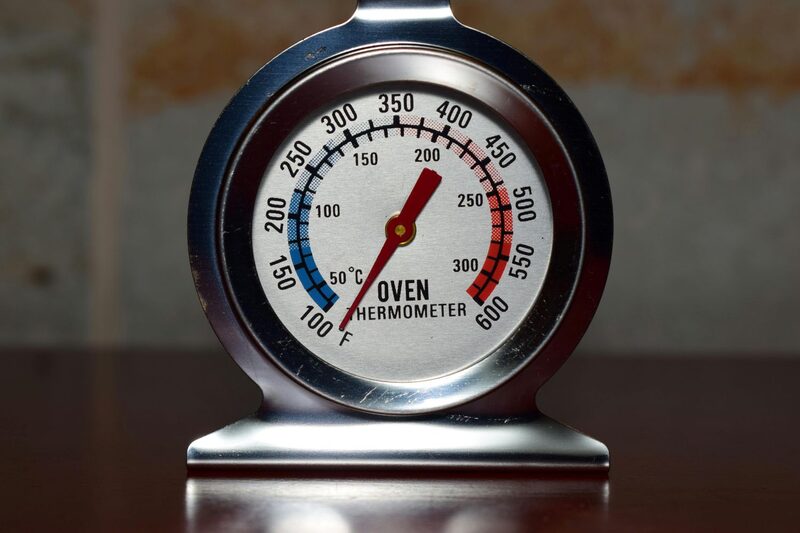
Internal Temperatures
The number in the center of the bake that tells you it's done. For bread, cake, muffins, cookies, brownies, pies and cheesecake.
Jump to the chart ↓- Most cakes, muffins and breads are done at 200 to 210°F (93 to 99°C) in the center.
- Gluten-free bakes need to go higher: 205 to 210°F for cakes and muffins, 210 to 215°F for bread.
- Cheesecake and custards are done much lower, 150 to 180°F. Past that they crack or curdle.
- Bake to temperature, not time. The timer is a guess. The thermometer is the answer.
At my bakery nobody decides a bake is done by looking at it. Color lies, the timer lies, and a toothpick can come out clean while the middle is still gummy. So we check the center with a thermometer, every time. It takes three seconds, and it's the difference between a batch we can sell and a batch we can't.
This lesson gives you the number for every kind of bake, shows you what's happening inside while it heats, and tells you what to do when the number and the bake don't agree. Type in your own reading and try it.
The thermometer works in every kitchen. Pick yours and I'll point out what changes for you.
Is it done?
Target for muffins: 200 to 205°F (93 to 96°C).
The internal temperature chart for baking
Take the temperature in the center of the bake. The regular column is for wheat flour bakes. The gluten-free column is what I use at the bakery.
| Bake | Done at | In Celsius | Gluten-free | What you'll see |
|---|---|---|---|---|
| Crusty bread | 200–210°F | 93–99°C | 210–215°F | Deep brown crust. Sounds hollow when you knock on the bottom. |
| Sourdough | 205–210°F | 96–99°C | 205–210°F | Dark, blistered crust. |
| Sandwich bread and soft rolls | 190–200°F | 88–93°C | 205–210°F | Golden top, sides pull back from the pan. |
| Brioche and cinnamon rolls | 185–195°F | 85–90°C | 200–205°F | Golden. The center roll is the last one done. |
| Banana bread and quick breads | 200–205°F | 93–96°C | 205–210°F | The crack on top looks dry, not wet. |
| Muffins | 200–205°F | 93–96°C | 205–210°F | Tops spring back when you press them. |
| Cakes and cupcakes | 200–210°F | 93–99°C | 200–210°F | Edges just starting to pull from the pan. |
| Pound cake | 205–210°F | 96–99°C | 205–210°F | Deep golden, dry crack down the middle. |
| Brownies, fudgy | 180–190°F | 82–88°C | About 200°F | Set edges, shiny top, a slight wobble in the middle. |
| Brownies, cakey | 200–205°F | 93–96°C | 200–205°F | No wobble. |
| Cookies | 175–185°F | 80–85°C | About 200°F | Golden edges, center still looks a little underdone. |
| Fruit pie | 200–205°F | 93–96°C | 200–205°F | Filling bubbling thick in the middle, not only at the edge. |
| Pecan pie | 200°F | 93°C | 200°F | Puffed, with a slight jiggle. |
| Pumpkin and custard pie | 170–180°F | 77–82°C | 170–180°F | Edges set, center jiggles like gelatin. |
| Quiche | 165–175°F | 74–80°C | 165–175°F | Barely set in the center. |
| Baked custard and crème brûlée | 170–175°F | 77–80°C | 170–175°F | Jiggles as one piece. |
| Bread pudding | 160–165°F | 71–74°C | 160–165°F | Puffed and set, no liquid when you press it. |
| Cheesecake | 145–150°F | 63–66°C | 145–150°F | Outer ring set, center wobbles. It finishes as it cools. |
Notice the pattern. Anything that sets with flour and starch finishes near 200°F or higher. Anything that sets with eggs or dairy finishes much lower, and goes wrong if you push it.
Here are the numbers from my own recipes. They're all gluten-free, so they sit at the high end.
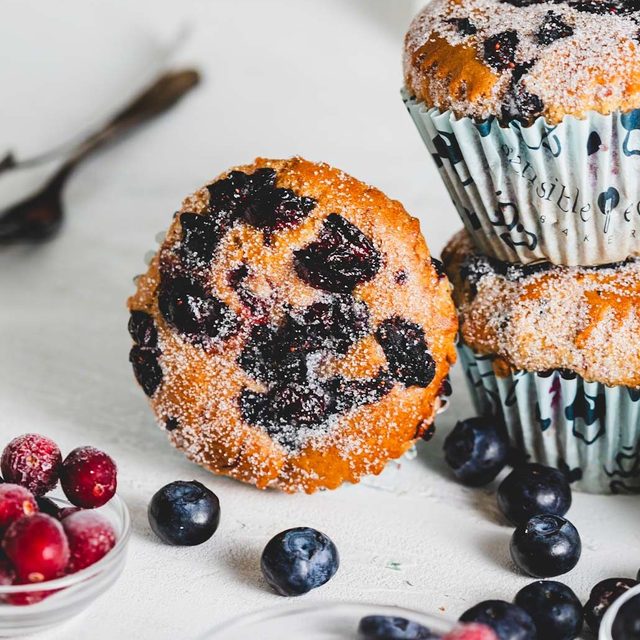
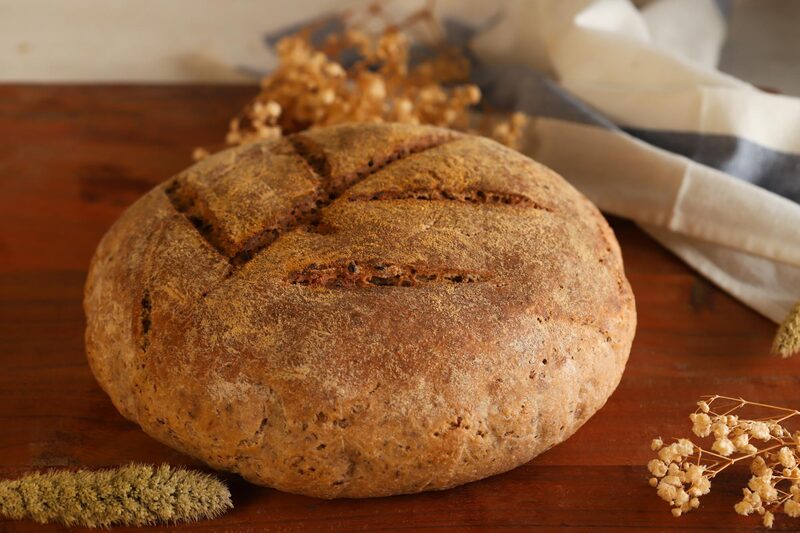
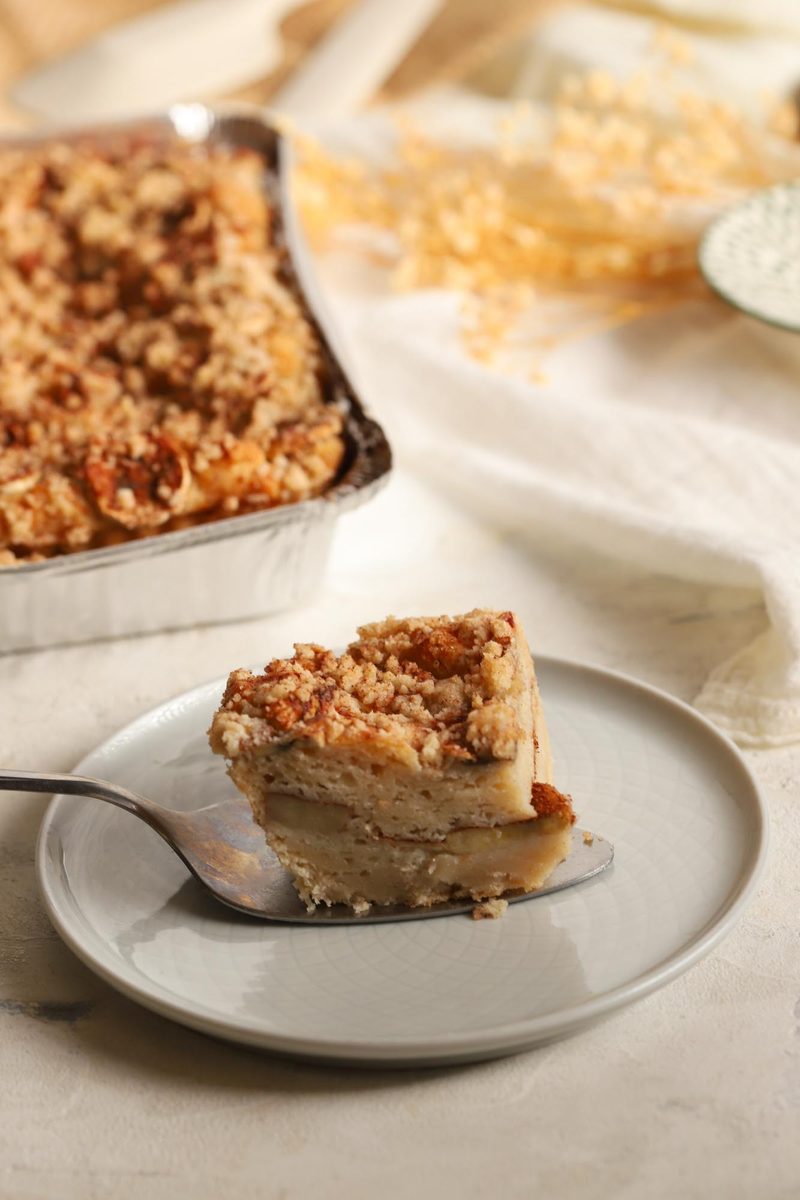
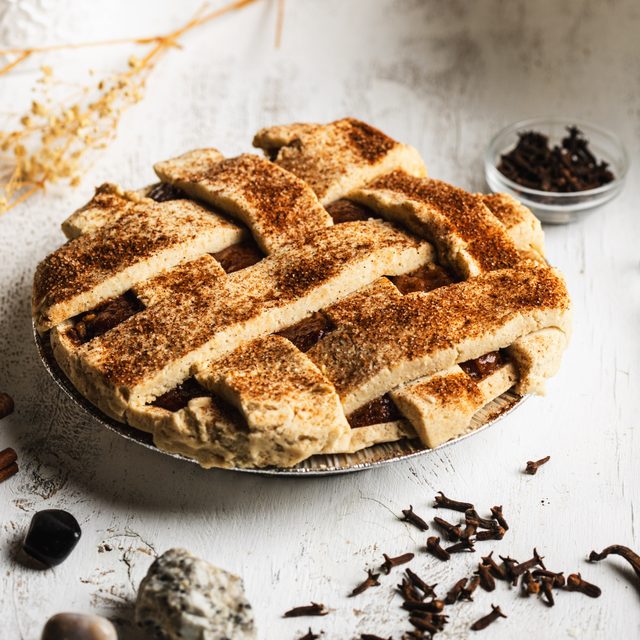
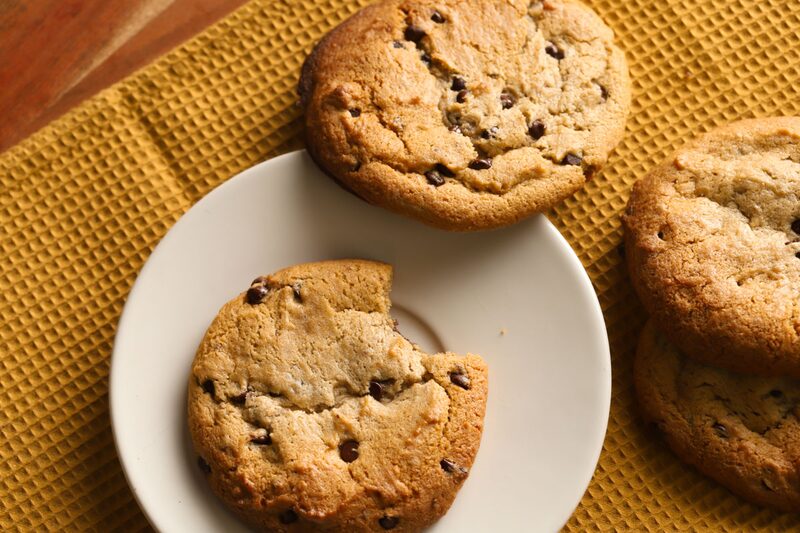
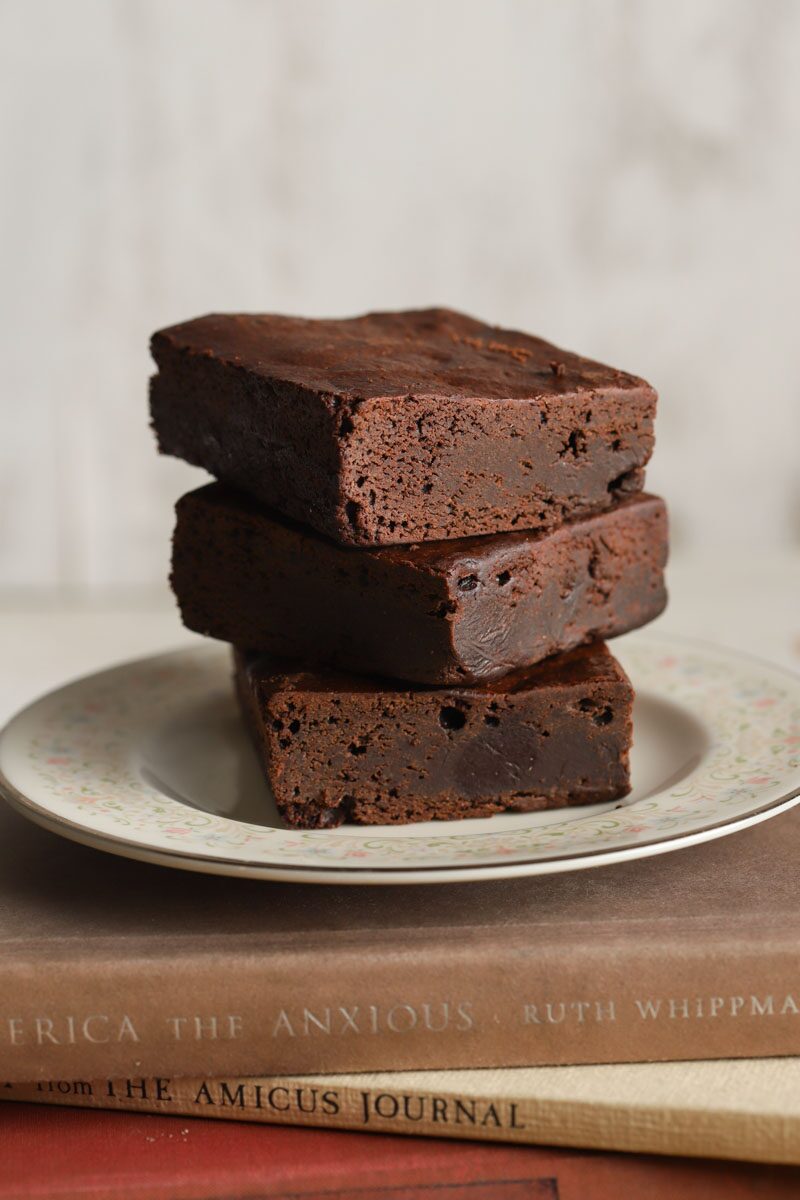
What's happening inside while it bakes
A bake doesn't go from raw to done in one step. It passes through stages, and each one happens at its own temperature. Slide it and watch.
The center of a loaf, from batter to done
- In Celsius
- 60°C
- The rise
- Slowing down
- The crumb
- Starch starts soaking up water
- If you pulled it now
- Raw in the middle
This is why the last ten degrees matter so much. At 190°F a loaf looks done and smells done, but the starch in the middle hasn't finished setting. Pull it there and you get a gummy line through the center.
It's also why the number never goes much past 210°F. A bake is full of water, and water boils at 212°F. Until the water is gone, the center can't get hotter than that. If your thermometer reads 212°F in the middle of a cake, the cake is drying out.
Why gluten-free bakes need a higher number
Gluten-free baked goods are denser than wheat ones, and they hold more water. Heat moves through them differently, and color on the outside tells you very little. A gluten-free loaf can be deep brown and still be paste in the middle.
So the wheat numbers don't work. You need higher internal temps than wheat benchmarks: 205 to 210°F for cakes and muffins, 210 to 215°F for bread. That's one of the five mistakes I see most.
And the toothpick test doesn't save you. A toothpick can come out clean while a gluten-free crumb is still gummy inside. Trust the thermometer.
The recipe builder Hitting the number and it's still gummy? Then it's the recipe, usually too much water or the wrong binder. This is the tool I built to run my bakery. It checks your ratios as you type and tells you what to fix. Try it free →How to take the temperature
- Start checking early. About five minutes before the recipe says it's done.
- Go for the center. The middle of the thickest part is the last place to finish. In a tray of muffins or rolls, check the one in the middle of the tray.
- Don't touch the pan. Metal and glass are hotter than the bake. If the tip touches the bottom or the side, the number is wrong.
- Hide the hole. On a cake or quick bread, go in through the crack on top. On a loaf, go in from the side or the bottom. On a pie, go through a vent or the lattice.
- Wait for it to stop. The number climbs for a few seconds. Read it when it settles.
- Be quick. Slide the rack out, check, slide it back. The oven loses heat every second the door is open.
Then let it cool. Cooling is the last step of baking, not the thing that happens after. The crumb keeps setting on the way down, so if you cut it warm it will seem underbaked even when it isn't. Cheesecake and custards keep cooking for a while after they come out, which is why you pull them while the center still wobbles.
Check your thermometer first
A thermometer that's off by five degrees is worse than no thermometer. Test it once:
- Ice water: fill a glass with ice, top it up with water, stir, wait a minute. It should read 32°F (0°C).
- Boiling water: it should read 212°F (100°C) at sea level. Higher up it reads lower, about 1°F less for every 500 feet.
If it's off, many digital thermometers have a reset or calibrate button. If yours doesn't, write the difference on a piece of tape and stick it on the handle.
What to buy, and what to spend
Look for a thin tip and a reading in three to five seconds. A thin tip leaves a smaller hole and reads the center, not the area around it. This is all most bakers need.
My pick for most kitchensReads in about a second and survives being dropped. Worth it if you bake several times a week, because you'll have the oven door open for less time.
The probe stays in the loaf and the display beeps when it hits your number. Great for bread and big cakes. Not for cookies or muffins.
Skip the big dial meat thermometers. The stem is thick and they're slow. Not sure which one to get? Ask me below and I'll point you to one.
Other temperatures worth knowing
The thermometer earns its place before the oven too.
| What | Temperature | Why it matters |
|---|---|---|
| Room temperature butter | 65–68°F | Cool to the touch and it dents when you press it. Warmer than that and it won't cream properly. |
| Water or milk to wake up yeast | 100–110°F | Warm, like bath water. Too cool and the yeast is slow. |
| Yeast starts dying | 130–140°F | Liquid this hot kills it before it ever works. |
| Dough while it proofs | 75–82°F | Cooler is slower with more flavor. Warmer is faster. |
| Eggs set | 145–160°F | That's why custards and cheesecake finish so low. |
| Melting chocolate | Under 120°F | Hotter and it scorches and turns grainy. |
| Water boils | 212°F | At sea level. The ceiling for the inside of any bake. |
What went wrong? Tap your problem
The thermometer catches most problems, but it's never the only suspect. So for each one, here's the temperature answer and what else to check.
Gummy in the middle
It came out before the center finished setting. It looked done, the toothpick was clean, and the middle was still 190°F.
The fix: Bake to the number in the chart, measured in the very center. For gluten-free, that's 205°F or higher.
- You cut it warm. The crumb sets as it cools.
- Too much liquid in the recipe.
- Too much binder, like xanthan or psyllium.
- The thermometer touched the pan and read high.
Go deeper: Five mistakes sabotaging your gluten-free baking · Binders
Dry and crumbly
It went past done. Once the center reaches about 210°F, every extra minute is just water leaving.
The fix: Start checking five minutes early and pull it the moment it hits the bottom of the range.
- Too much flour. Weigh it, don't scoop it.
- Not enough fat or sugar. Both hold moisture.
- It cooled uncovered for hours.
Go deeper: Flour handling for better texture · What fat does · Make your bakes last longer
The number won't climb
The center sits in the 190s and the outside keeps getting darker. The oven is too hot for how thick the bake is, so the crust is done long before the middle.
The fix: Tent it with foil and keep going. Next time bake it 25°F lower for longer.
- The pan is deeper than the recipe called for.
- A very wet batter. Water takes a lot of heat to warm up.
- You're higher than about 5,000 feet, where water boils near 200°F.
Go deeper: Oven temperatures
Wet line at the bottom
The center was done but the bottom wasn't. Heat reached the middle from the top and sides faster than from underneath.
The fix: Move the rack down one level and bake on a metal pan, not glass or silicone. Take it out of the pan to cool so steam can escape.
- It cooled in the pan and the steam soaked back in.
- Fruit or chips sank and released juice.
- The batter wasn't fully mixed at the bottom of the bowl.
Go deeper: Oven temperatures
Sank as it cooled
The center never set. It was held up by steam, and when the steam left, it fell.
The fix: Check the very center, not near the edge. The middle is always the last few degrees.
- Too much leavener.
- Too much liquid or sugar.
- The oven door opened too early.
Go deeper: Leaveners · The pH side of rise
Cheesecake cracked
It went too far. Past about 160°F the eggs tighten and squeeze, and the top splits.
The fix: Pull it at 145 to 150°F while the center still wobbles. It finishes setting as it cools.
- It cooled too fast. Let it come down slowly.
- It stuck to the side of the pan and tore as it shrank.
- Too much air beaten into the batter.
Go deeper: Oven temperatures
Runny pie
The filling never got hot enough for the thickener to work. Starch has to come close to a boil before it thickens.
The fix: Wait for thick bubbles in the middle of the pie, not only at the edge. That's about 200°F.
- You cut it warm. Fruit pies set as they cool.
- Not enough thickener for how juicy the fruit was.
- Frozen fruit, which lets go of more water.
Go deeper: Pie crust tricks · Apple spice pie
Cookies hard the next day
They baked until they looked done. Cookies keep cooking on the hot tray, so by the time they cooled they were overbaked.
The fix: Pull them when the edges are golden and the center still looks a little underdone.
- Not enough sugar or fat.
- Stored uncovered.
- Too much flour.
Go deeper: Bakery style chocolate chip cookies · What sugar does
Quick questions
What temperature is bread done?
Crusty bread and sourdough are done at 200 to 210°F in the center. Soft sandwich bread and rolls are done at 190 to 200°F. Gluten-free bread needs 205 to 215°F.
What temperature is a cake done?
Most cakes are done at 200 to 210°F in the center. Gluten-free cakes and muffins are done at 205 to 210°F.
What temperature is banana bread done?
200 to 205°F in the center, or 205 to 210°F if it's gluten-free. Check through the crack on top so the hole doesn't show.
What temperature is cheesecake done?
145 to 150°F in the center. The outer ring should be set and the middle should still wobble. It finishes setting as it cools.
Is the toothpick test reliable?
Not always. A toothpick tells you there's no wet batter, but it can come out clean while the crumb is still gummy, especially in gluten-free bakes. A thermometer tells you the crumb has actually set.
Can I use a meat thermometer for baking?
A digital instant-read one, yes. It's the same tool. The big dial kind with a thick stem is slow and leaves a large hole, so it's not a good fit.
Does altitude change the temperature?
Yes. Water boils at a lower temperature the higher you go, about 1°F less for every 500 feet, and a bake can't get hotter inside than that. At 5,000 feet, treat about 200°F as fully done.
Ten quick ones before you go
Get 7 right and the lesson is done.
Your gluten-free muffins read 195°F in the center. What do you do?
Which one is done at the lowest temperature?
Where does the tip of the thermometer go?
Most cakes, muffins and breads are done at what temperature in the center?
Why does the center of a bake never go much past 210°F?
How do you check that your thermometer is right?
The toothpick came out clean on a gluten-free loaf. Is it done?
In a tray of muffins, which one do you check?
How warm should the water be to wake up yeast?
You cut a loaf while it was warm and it seems gummy. Why?
Ask me about doneness
Not sure what number to pull at? Don't see your bake in the chart? Ask here. I read every question, and your answer helps the next baker too.