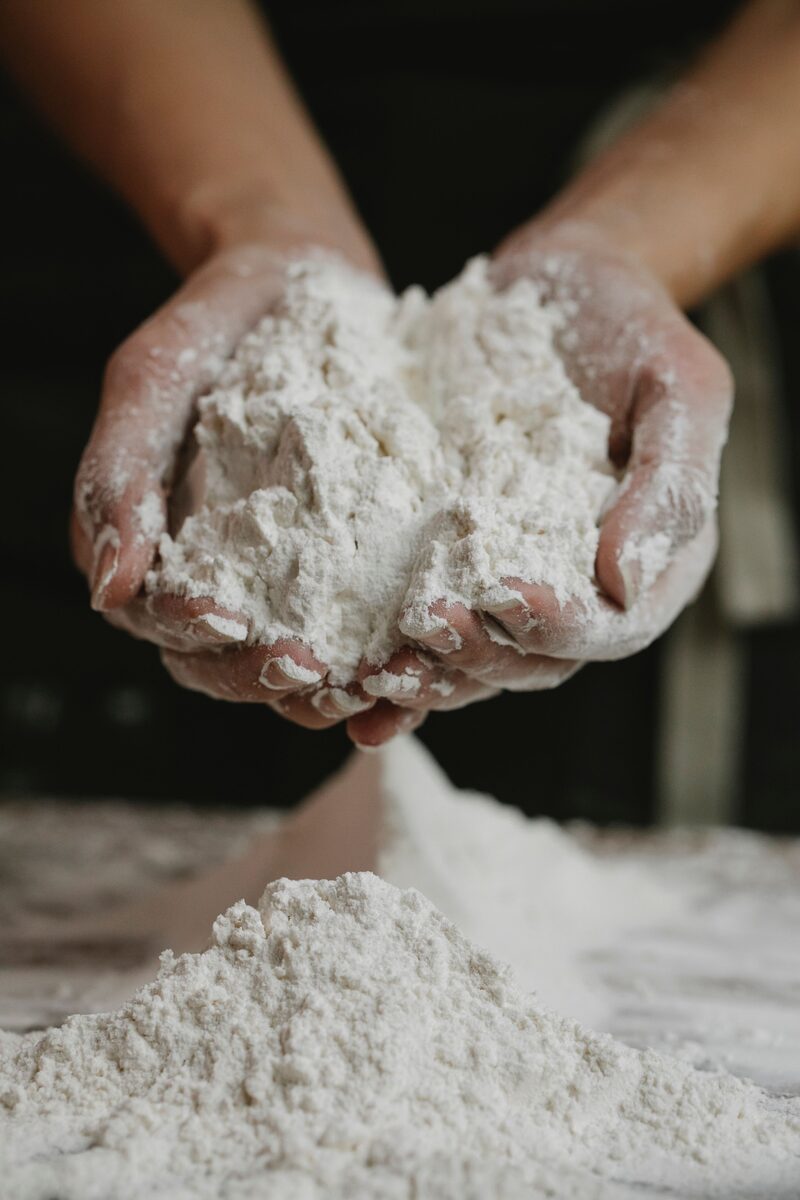
Flour Handling for Better Texture
Most bakers obsess over ingredients and ratios and completely overlook how they're handling their flour before it ever hits the mix. Get it right, and everything you make improves consistently.
- Sift to break up compression clumps — gluten-free flours most of all.
- Toast flour that has absorbed moisture; sifting can’t fix that.
- Weigh, don’t scoop, and pre-mix your dry ingredients.
- For frosting, always sift powdered sugar and cocoa and use room-temperature butter.
Most bakers obsess over ingredients and ratios and completely overlook how they're handling their flour before it ever hits the mix. Flour handling directly affects hydration, structure, crumb, lift, and mouthfeel. Get it wrong, and no recipe saves you. Get it right, and everything you make improves consistently.
Understanding the Problems
Before the fixes, you need to understand what you're actually dealing with.
Compression clumping is mechanical. Flour particles pack together from the weight of the bag, long-term storage, or rough handling. The flour itself isn't damaged; it's just compacted. A clump that makes it into your batter is a pocket of flour that never fully incorporates, which shows up as a dense spot, uneven crumb, or gummy texture in the finished bake.
Moisture absorption is environmental. Flour pulls humidity from the air over time, which makes it heavier, throws off your hydration ratios, and is the root cause of most long-term clumping. Moisture-damaged flour hydrates unevenly and disrupts how your structure sets during baking.
You need to understand both because the fixes are different. You can break apart a compression clump. You cannot sieve out absorbed moisture.
The Fixes
1. Sifting
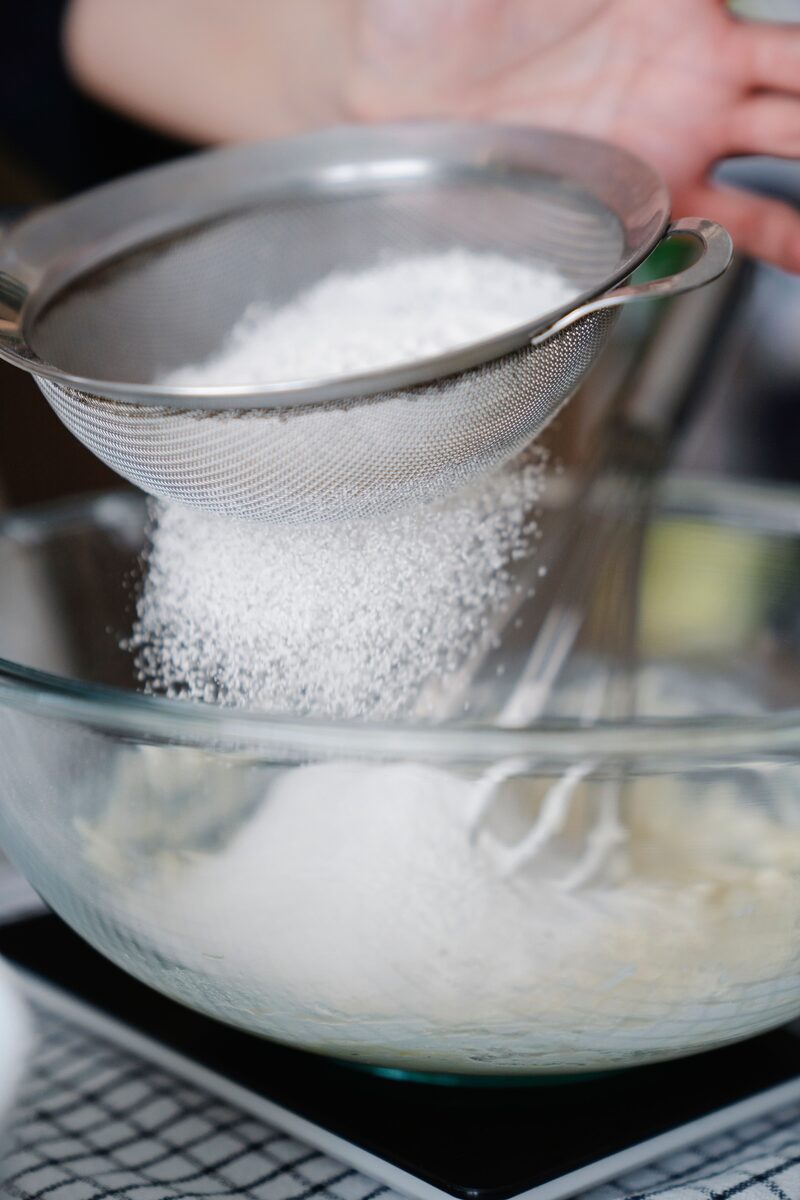
The most underused tool in a baker's kit. Sifting through a fine mesh sieve breaks apart compression clumps and aerates the flour before it hits your mix. More air in the flour means a lighter crumb, better lift, and a more even bake, especially in delicate items like cakes, muffins, and anything gluten-free.
Gluten-free flours are the highest priority for sifting. Almond flour, coconut flour, and tapioca starch are the worst offenders for clumping, and unlike wheat flour, there is no gluten network to hydrate clumps out during mixing. What goes into the bowl comes out in the finished product.
Sifting is essential for any flour-based bake where texture is the priority.
2. Dry Whisking
If you don't have a sieve or you're working with a lower-risk flour like rice flour or oat flour, a dry whisk in the bowl for 30 to 45 seconds breaks up surface compaction and introduces enough air to make a difference. It is not as thorough as sifting, but it is significantly better than nothing and takes almost no time.
3. Food Processor for Heavy Compaction
For flour that has been sitting in storage for a while or has compressed significantly (almond flour is the most common culprit), a fine mesh sieve may not be enough. Ten to fifteen pulses in a food processor breaks it down completely and restores a light, even consistency before you use it.
4. Toasting
Set your oven to a low temp, spread your flour thinly onto a tray, and bake for five to ten minutes. Toasting drives off absorbed moisture and restores the flour's ability to hydrate evenly in the mix. The practical result is a more uniform crumb because the flour absorbs your liquids consistently across the entire batch instead of unevenly.
There is a secondary benefit worth knowing: toasting develops flavor. Toasted almond flour in a cookie or cake adds a depth that raw flour does not have.
5. Weighing Instead of Measuring by Volume
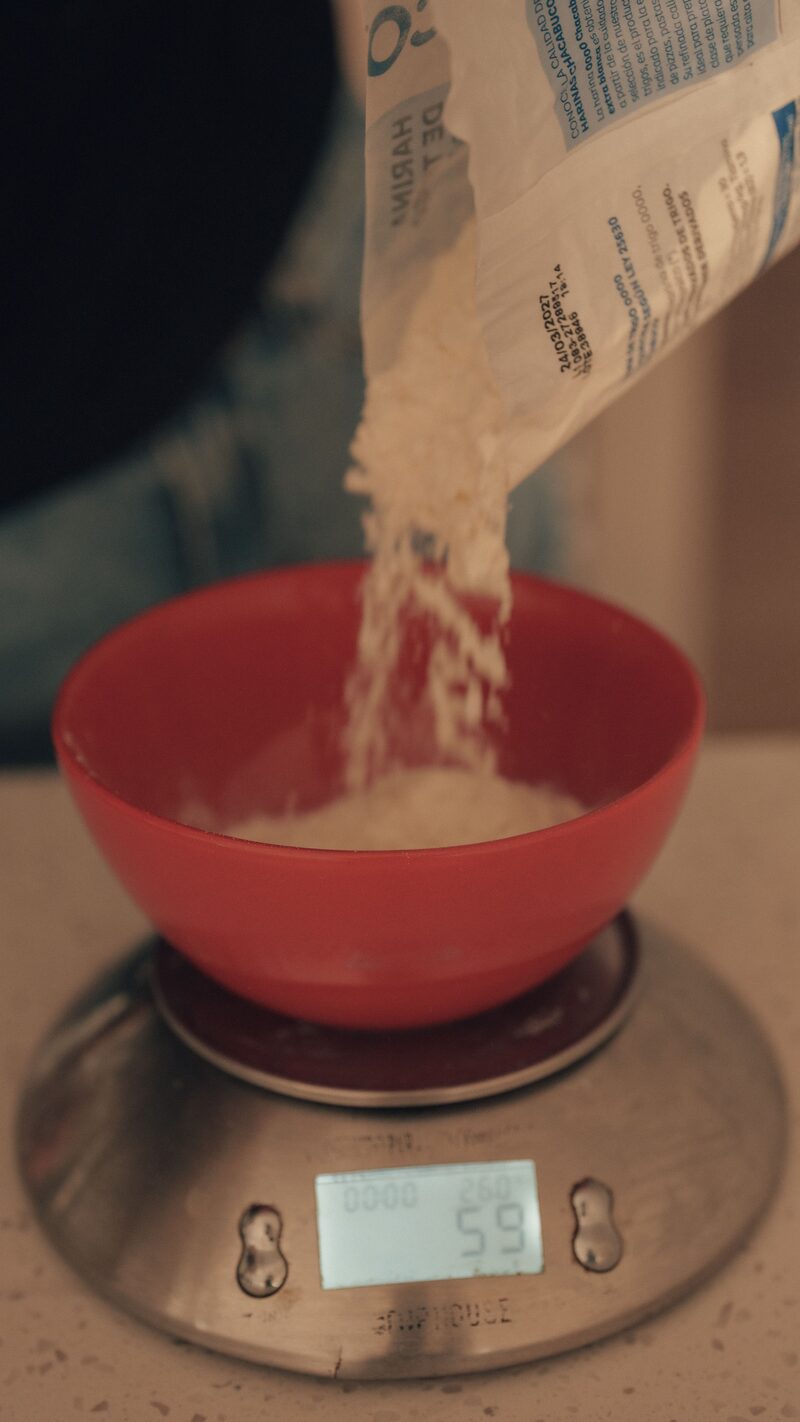
Scooping flour from a bag packs it into the cup. Packed flour is denser flour. Denser flour produces heavier baked goods with a tighter crumb and less lift. This is one of the most common reasons home-baked goods come out heavier than expected, even when the recipe is followed exactly.
Switching to weight-based measuring eliminates this problem entirely. It also eliminates batch-to-batch inconsistency, since every time you bake, you are working with the same amount of flour regardless of how it was stored or how compacted the bag is.
6. Pre-Mixing Dry Ingredients
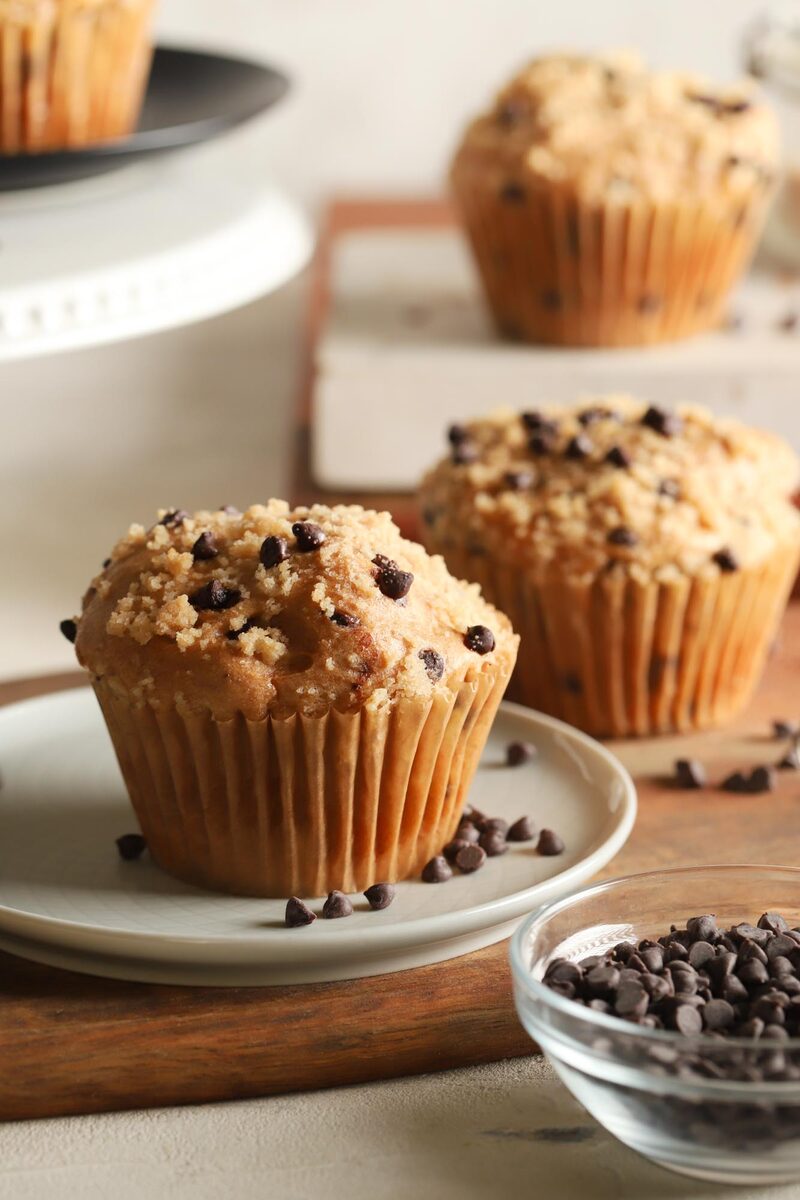
Whisk all your dry ingredients together before your wet ingredients go in. Even if individual flours have been sifted, pre-mixing ensures even distribution of flour, leavener, salt, and any other dry components. Uneven dry mixing shows up as an inconsistent rise, spotty texture, and bites that taste or feel different from each other in the same bake.
7. Proper Storage
Most flour damage happens before the bag is opened. Heat and humidity are the enemies. Airtight containers in a cool, dry environment prevent moisture absorption and slow compaction. If you are pulling flour from a warm storage area, let it come to room temperature and settle before using it.
This won't rescue damaged flour, but it will prevent future problems.
Applying This to Frostings
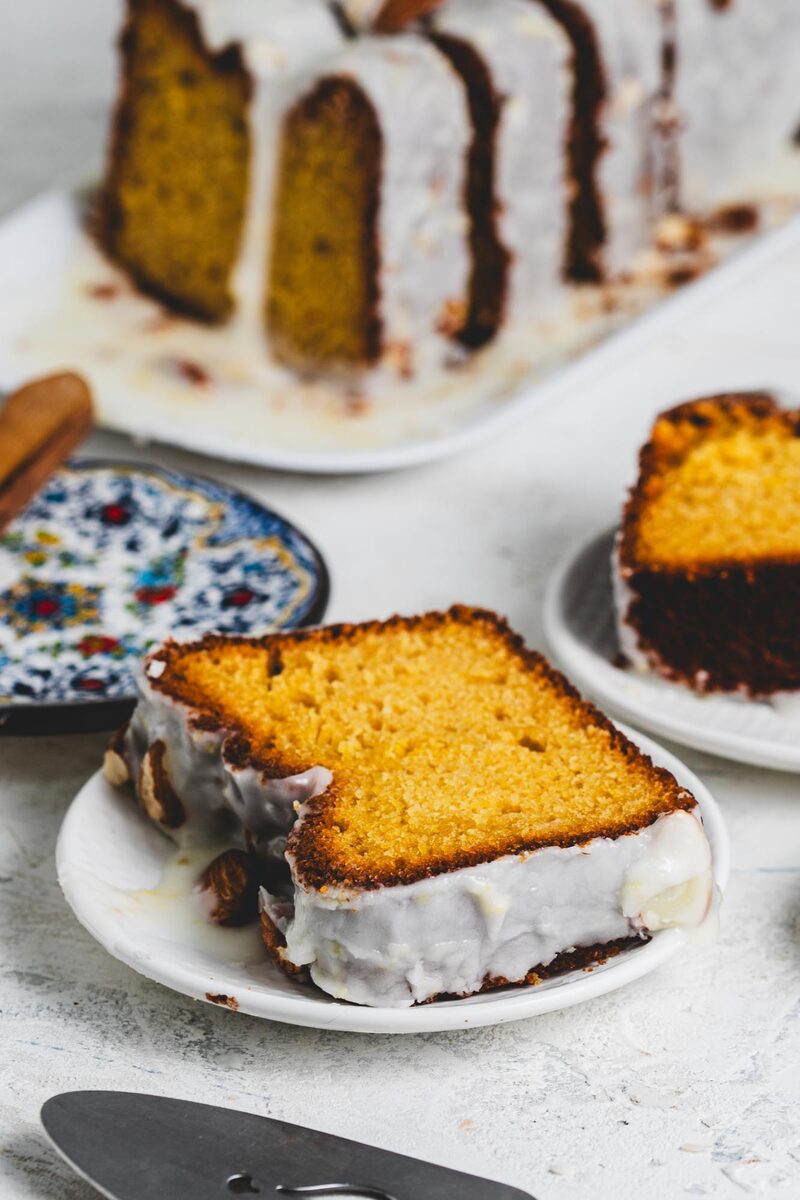
All of the same principles apply when you move into frostings. The culprits shift from flour to powdered sugar and cocoa powder, but the problems are identical.
Powdered sugar should be sifted every single time without exception. Unsifted powdered sugar in a buttercream does not just create lumps; it creates grit against the tongue that no amount of mixing can fully correct. Sifted powdered sugar produces a noticeably silkier, smoother frosting and a cleaner mouthfeel.
Add powdered sugar gradually. Dumping it all in at once traps air pockets around undissolved sugar and works against the emulsification you are trying to build. Add in stages on low speed and let each addition incorporate before the next.
Cocoa powder clumps harder than almost any other dry ingredient because of its fat content. Sift it separately before it contacts butter or any liquid. The texture benefit is real, but so is the flavor benefit. Cocoa that is evenly distributed blooms more completely into the fat, which means a deeper chocolate flavor in the finished frosting.
Butter temperature is the frosting equivalent of flour compression. Cold butter does not emulsify properly with powdered sugar. It pushes clumps around without incorporating them and produces a frosting that is dense and greasy instead of airy and structured. Fully room-temperature butter is an essential foundation for quality frosting.
The Bottom Line
These steps are all very simple, but they are vital. The bakers who produce consistently better texture aren't getting it from better recipes, they're handling their ingredients better before the mixing even starts.
Twenty years in commercial baking taught me that the details that happen before the oven are the ones that matter most.
Keep going: Starter Guide to Gluten-Free Flours, How to Store Baking Soda, Baking Powder, and the Rest of Your Pantry, Get the Most Out Of Your Cocoa Powder.
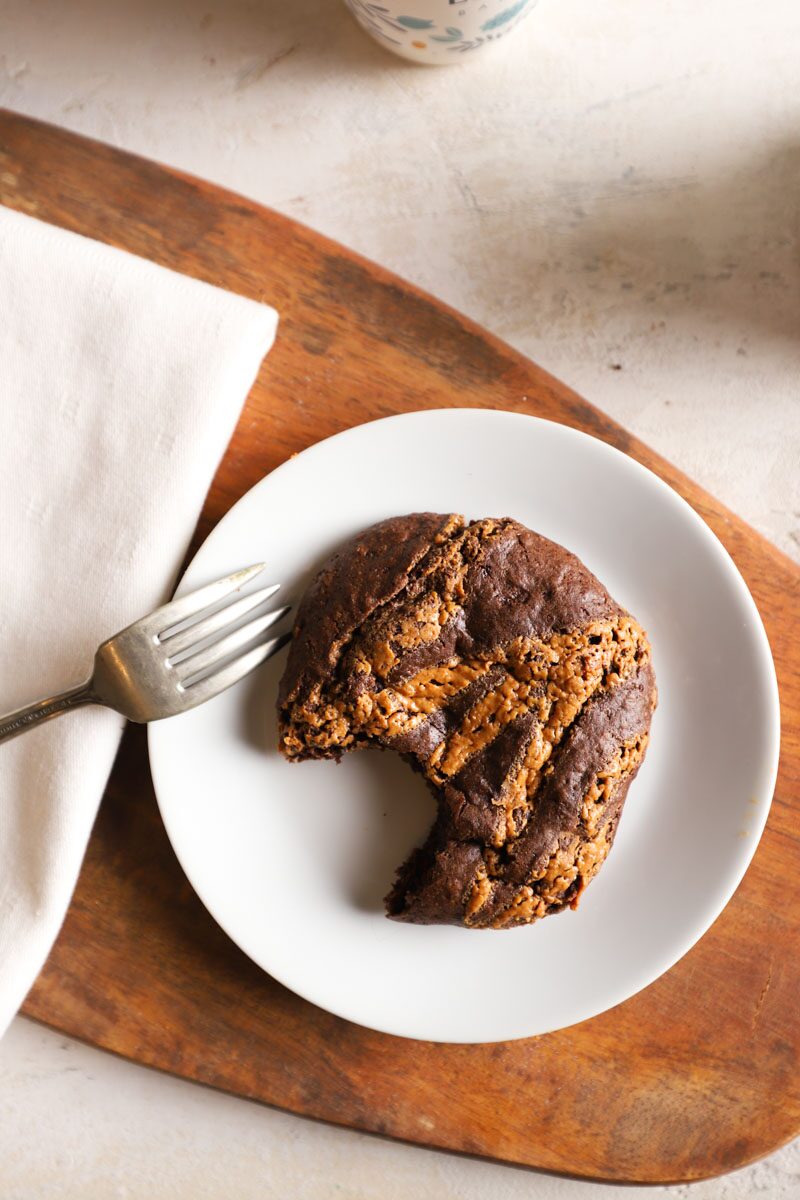
Texture you can taste
At Sensible Bakery, every treat starts with the details that happen before the mixer turns on. Vegan and gluten-free bakes with a consistently tender crumb and a clean, silky finish.
Shop my bakery →