How to Change a Recipe Without Ruining It
The rule we use at my bakery: change one ingredient at a time, never more than 10%, and write everything down. Here's how to test a recipe change the right way.
- One ingredient at a time. Change two things at once and you'll never know which one did it.
- 10% at a time, max. Small moves show you the direction without wrecking the bake.
- One test per ingredient. Separate batches, side by side.
- Write everything down. Amounts, oven, time, and how it came out.
Here's a trick we use in my commercial bakery to adjust recipes the most effective way possible. When a muffin comes out a little dry or a cookie spreads too much, the instinct is to fix everything at once. A bit more oil, a bit less sugar, swap the flour, bake it a little longer. Then it comes out different, and you have no idea why. Was it the oil? The flour? Both? You just lost a whole batch and learned nothing.
1. Change one ingredient at a time
This is our rule, and it's the whole thing. If you change a bunch of things at once, it's impossible to tell what worked and what didn't. So pick the one ingredient you think is the problem and leave everything else exactly the same. Same pan, same oven, same mixing, same bake time. Now whatever changes in the bake, you know where it came from.
2. Only move it 10% at a time
If you're changing the amount of an ingredient that's already in the recipe, only do it by 10% at a time. If the recipe has 200 g of sugar, your test uses 180 g or 220 g. Not 150. Not 250.
Why so small? Because baking is ratios. A big jump in one ingredient throws off everything around it. Cut sugar by half and you didn't just make it less sweet, you changed the moisture, the browning and the spread too. At 10% you can see the direction clearly, and the bake still works. If it's better but not there yet, go another 10%.
| Recipe says | Test with (−10%) | Test with (+10%) |
|---|---|---|
| 200 g sugar (1 cup) | 180 g | 220 g |
| 120 g oil (about ½ cup) | 108 g | 132 g |
| 250 g gluten-free flour blend | 225 g | 275 g |
| 8 g baking powder (2 tsp) | 7 g | 9 g |
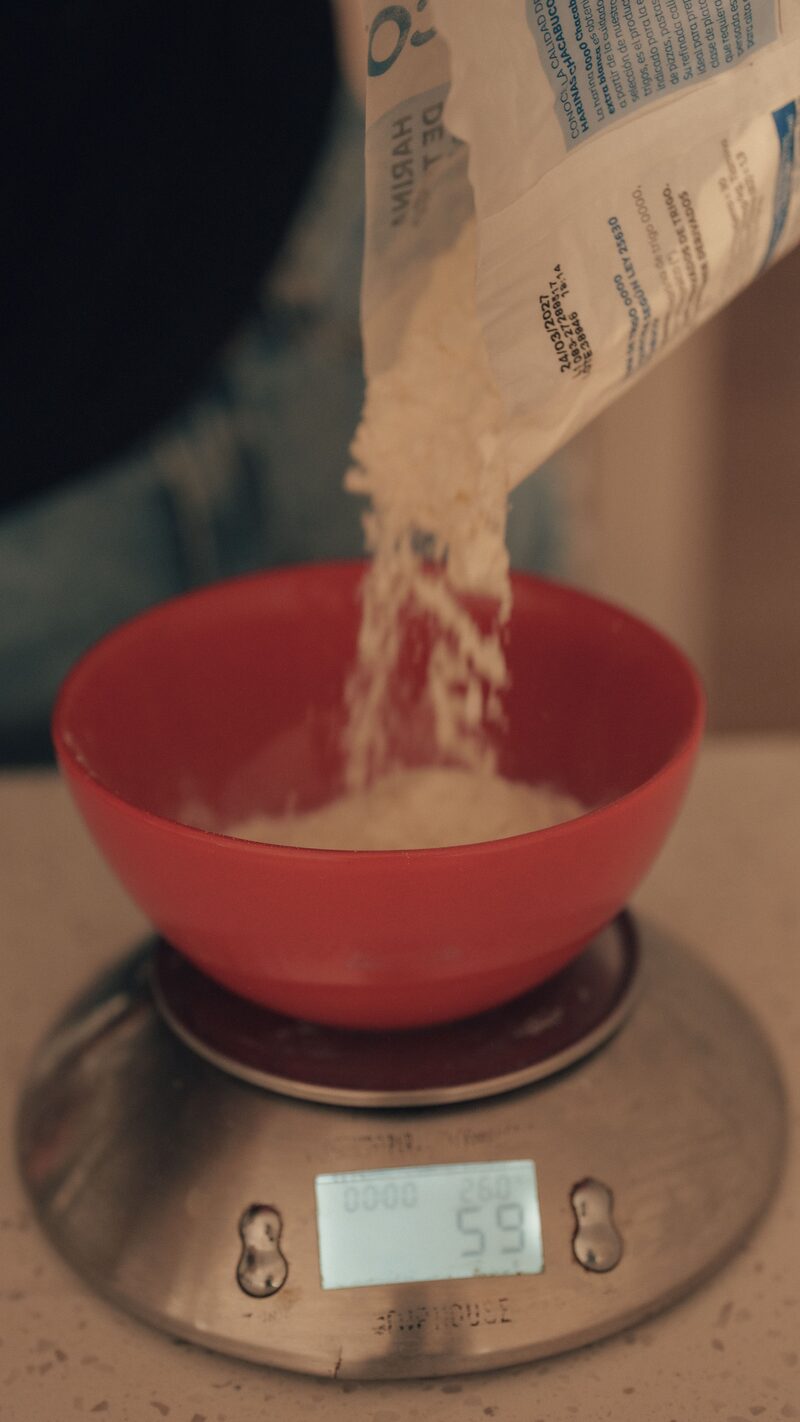
This is also why I tell everyone to bake by weight. Ten percent of a cup is almost impossible to measure. Ten percent of 200 grams is easy.
3. Make a separate test for each ingredient
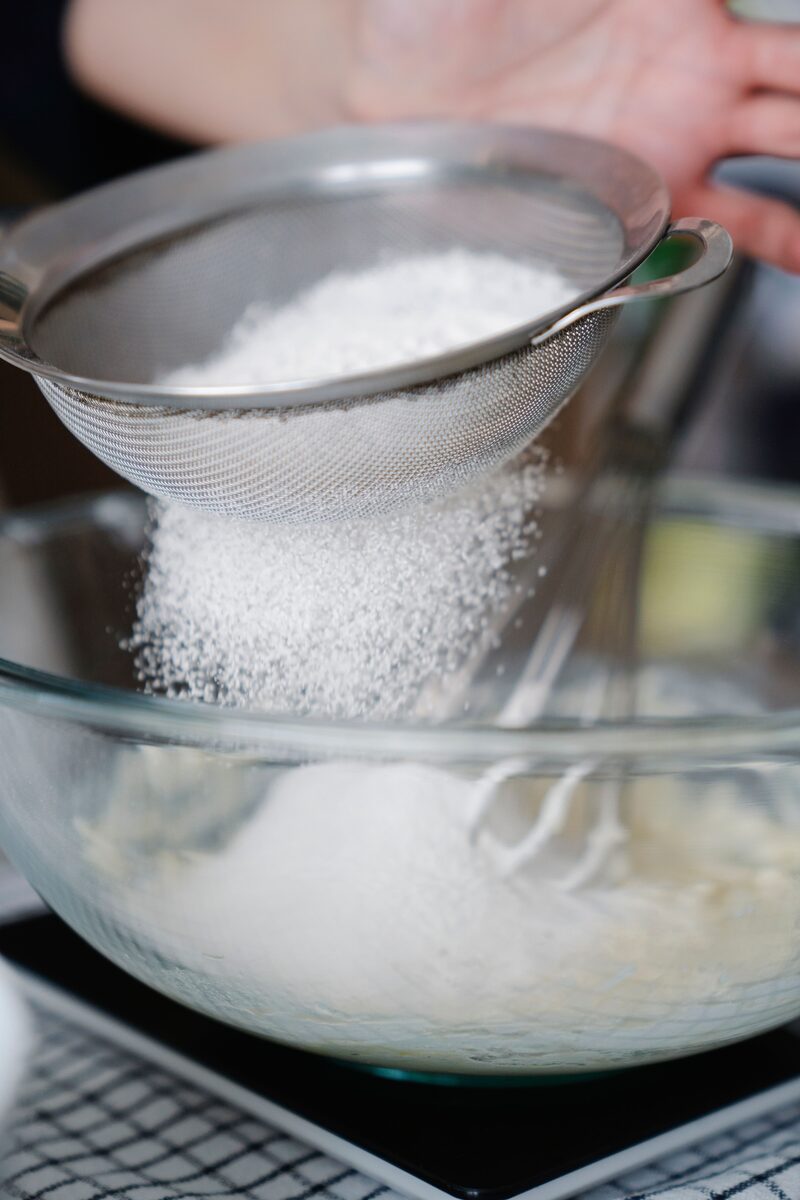
So we make separate tests for each ingredient. Want to try less sugar and more oil? That's two tests, not one. Bake your original recipe next to each test so you're comparing to the real thing, not to how you remember it tasting last week. Small batches are fine. A half batch of muffins tells you just as much as a full tray.
4. Take a lot of notes, every time
And take lots of notes each time. Memory is terrible at this. Write down:
- The exact amount you changed, in grams
- Oven temperature and bake time
- How it looked: rise, spread, color
- How it ate: texture, sweetness, moisture, the next day too
- What you'd try next
That last line is the one people skip, and it's the most useful. By your third test, those notes are the recipe.
Why it works
This allows for precise adjustments, and bakes that turn out exactly how we want them. It's slower on day one, but it's way faster than guessing for a month. Every test teaches you something, even the ones that don't work.
Track it in my recipe builder
I built my recipe builder for exactly this. Put in your recipe, change one ingredient, and it shows you the ratios update as you type. Save each test as its own version and compare two recipes side by side to see exactly what changed. It's how we keep our notes at the bakery now.

Got a recipe you've been trying to fix? Tell me what you're changing first.