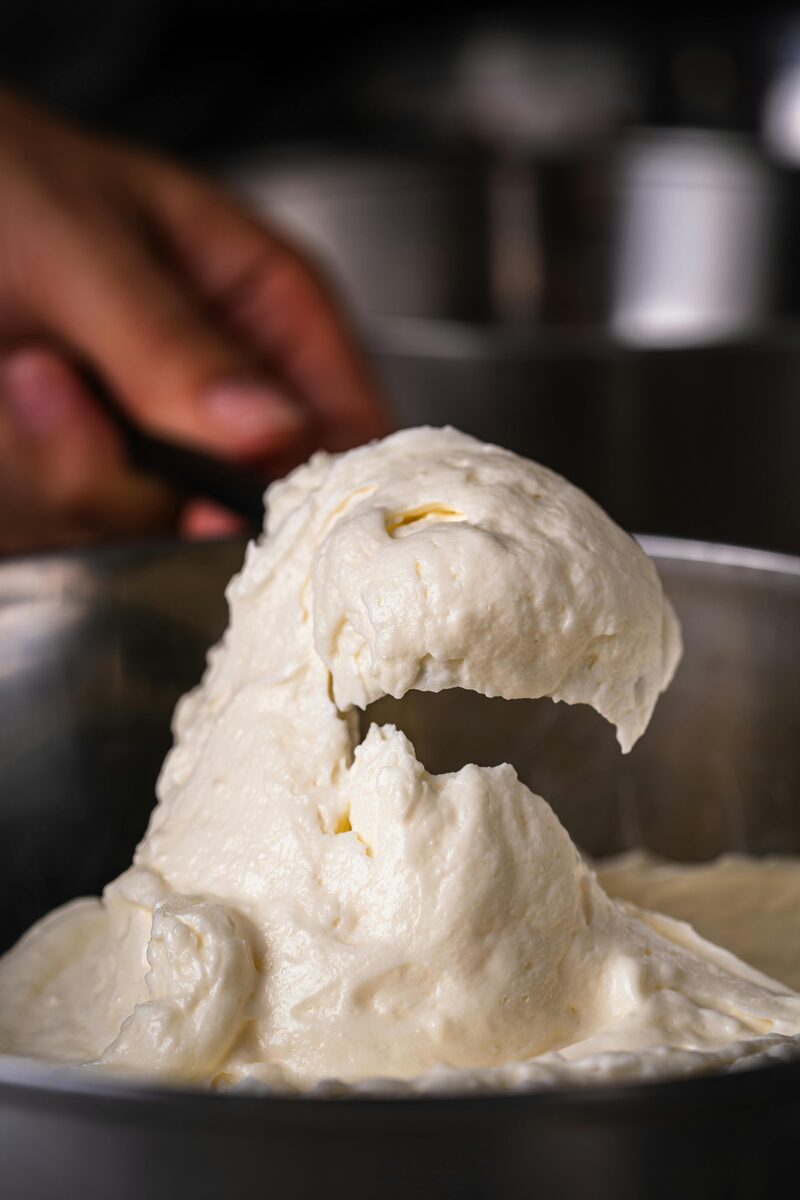
4 Ingredient Whippable Plant-Based Heavy Cream
Most “vegan heavy cream” recipes online are wrong. Here’s the formula that actually works.
Skip to recipe ↓Most “vegan heavy cream” recipes online are wrong. They tell you to blend cashews with water, or shake up some coconut milk, and call it a day. That’s not heavy cream. That’s a sad substitute that splits when you heat it, won’t whip, and tastes like whatever nut you blended.
This vegan version actually behaves like heavy cream — it whips, holds, reduces in sauces, and doesn’t break. All you have to do is follow a simple formula.

The Logic Behind the Formula
Heavy cream is fat + protein + water. We’re just plugging in plant-based versions for each one.
Real dairy heavy cream is about 36–40% fat, suspended in water, stabilized by milk proteins. That’s it. Fat, protein, and water, all held together in an emulsion. If we want a vegan version that actually behaves like the real thing, we need to hit those same numbers and build that same structure. Four ingredients get us there.
Refined Coconut Oil
Dairy cream is 36–40% fat. We’re going 40%. Use refined coconut oil, not virgin, so there’s no coconut flavor. Coconut oil is solid when cold and melts when warm, which is exactly how butterfat behaves. That’s what makes the cream set up in the fridge and whip into stiff peaks.
High-Protein Soy Milk
Use unsweetened soy milk with 7–9g of protein per cup. Soy is critical here because soy protein is the only plant protein that emulsifies and stabilizes like dairy protein does. Almond, oat, rice, and coconut milk don’t have enough protein.
Sunflower Lecithin
This is what holds the fat and water together. Without it, your cream splits the second it sees heat. Sunflower lecithin is allergen-friendly and neutral. Soy lecithin works the same way if that’s what you have.
No lecithin? Use aquafaba. The brine from a can of chickpeas works as a natural emulsifier. Use 10g aquafaba in place of 2.5g lecithin and reduce the soy milk by the same amount. As a bonus, it adds a little whipping power on its own.
Xanthan Gum
A pinch of xanthan (0.1–0.2%) gives you the body and mouthfeel that real cream has from its natural viscosity. Think of how real cream slightly coats the spoon. Just a pinch goes a long way — we’re talking under a gram in a 500g batch.
Plus a Tiniest Pinch of Salt
Salt at this level doesn’t make anything taste salty. It sharpens flavor and balances the slight sweetness from the soy milk. Same reason you put salt in caramel or chocolate. It makes everything taste more like itself.
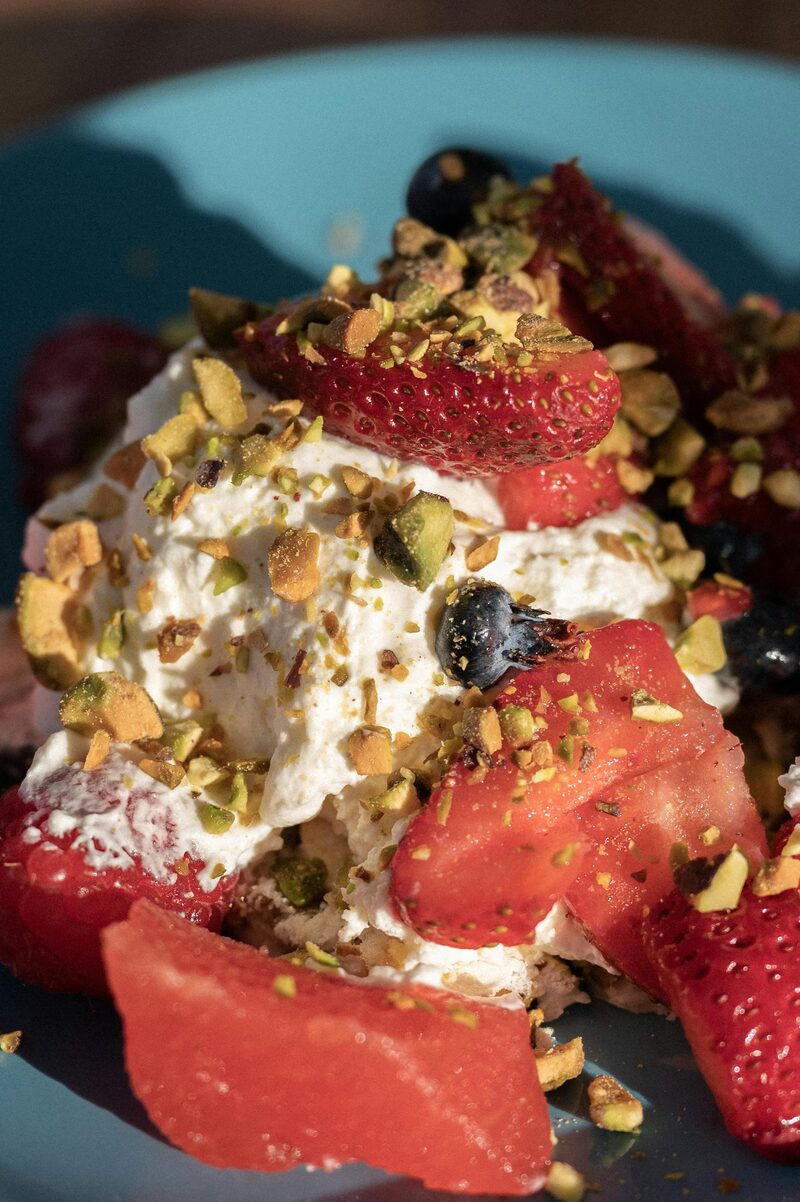
Vegan Heavy Cream
Equipment
- Two small pots
- Spatula
- Blender
- Medium bowl or container
- Mixer
Ingredients
| Ingredient | Weight | % |
|---|---|---|
| Refined coconut oil | 200g | 40.00% |
| Unsweetened high-protein soy milk | 295g | 59.00% |
| Sunflower lecithin | 2.5g | 0.50% |
| Xanthan gum | 0.75g | 0.15% |
| Fine sea salt | 1.75g | 0.35% |
| Total | 500g | 100% |
Aquafaba Version (No Lecithin)
| Ingredient | Weight | % |
|---|---|---|
| Refined coconut oil | 200g | 40.00% |
| Unsweetened high-protein soy milk | 287.5g | 57.50% |
| Aquafaba (chickpea brine) | 10g | 2.00% |
| Xanthan gum | 0.75g | 0.15% |
| Fine sea salt | 1.75g | 0.35% |
| Total | 500g | 100% |
Percentages stay the same regardless of batch size — that’s why pros work in baker’s percentages. Scale to 250g, 1kg, 5kg. The ratios don’t change.
Instructions
- Warm the soy milk to 110°F (43°C). Warm liquid blends with melted fat smoothly.
- Melt the coconut oil separately until fully liquid, around 100–110°F. Don’t overheat it.
- Blend the soy milk on high. A high-speed blender works best. An immersion blender works too. The whisk attachment in a stand mixer is the minimum acceptable tool.
- Stream the coconut oil in slowly over 30–45 seconds while blending. This is where the emulsion forms. Going too fast will result in broken cream.
- Add the lecithin (or aquafaba), xanthan, and salt while it’s still blending. Run another 30 seconds to fully hydrate the xanthan and disperse everything.
- Pour into a container and chill for a minimum of 4 hours. Overnight is better. This is the most important step — the fat needs to crystallize properly. Without this, it will not whip.
- Put the bowl and whisk of the mixer in the fridge for about 15 minutes before whipping to keep everything cold.
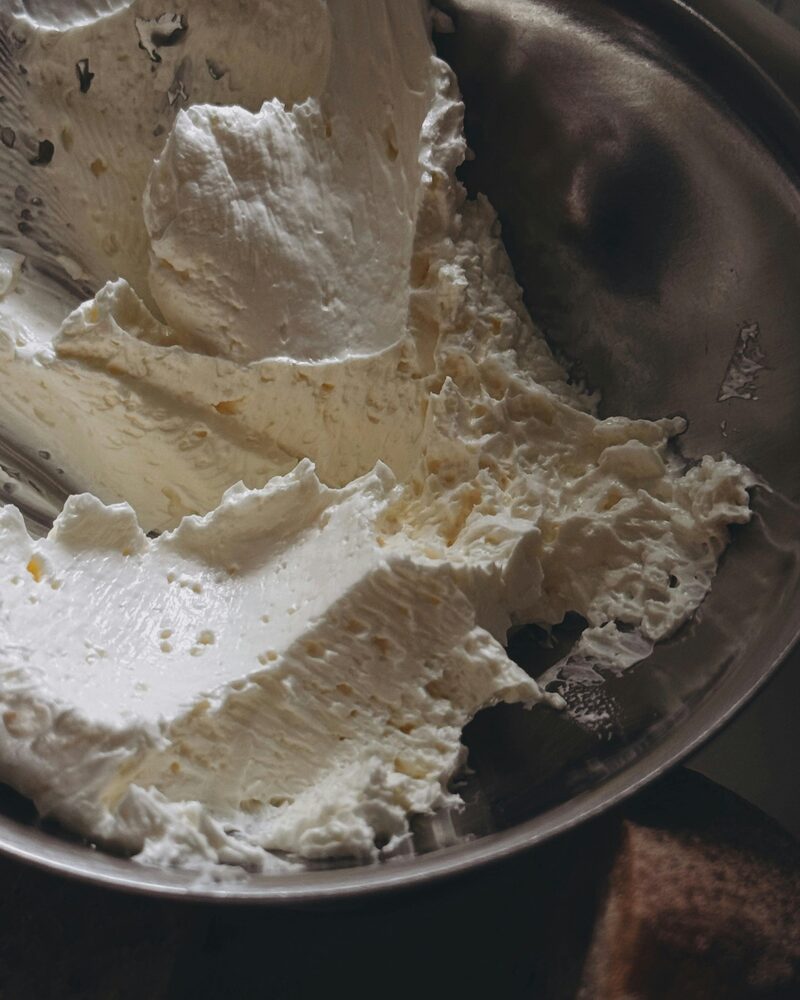
- Whip the mixture straight out of the fridge. Whip on medium-high to soft peaks, then crank to high for stiff peaks. Just like dairy.
What You Can Do With It
Once you’ve got the base nailed, this cream behaves like the real thing across the board:
- Whipped cream — for desserts, drinks, and toppings. Holds for several hours.
- Reductions and sauces — won’t break under heat thanks to the lecithin.
- Ganache — pour it hot over good chocolate. Glossy, stable, scoopable.
- Pastry cream and custards — full-fat structure means proper body.
- Coffee and cocktails — pourable cold, foams when steamed.

Common Failures and Fixes
- Cream split in the fridge? Your soy milk was probably too cold when you blended, or you streamed the oil in too fast. Sometimes you can rescue it by re-blending with the immersion blender.
- Won’t whip? Either your fat percentage is too low (aim for 40%), or you didn’t chill it long enough. 4 hours is the minimum, not the target.
- Tastes like coconut? You used virgin coconut oil. Switch to refined. There should be no coconut flavor at all.
- Tastes like beans? Your soy milk has a bean note. Try a different brand — the higher-quality ones taste neutral.
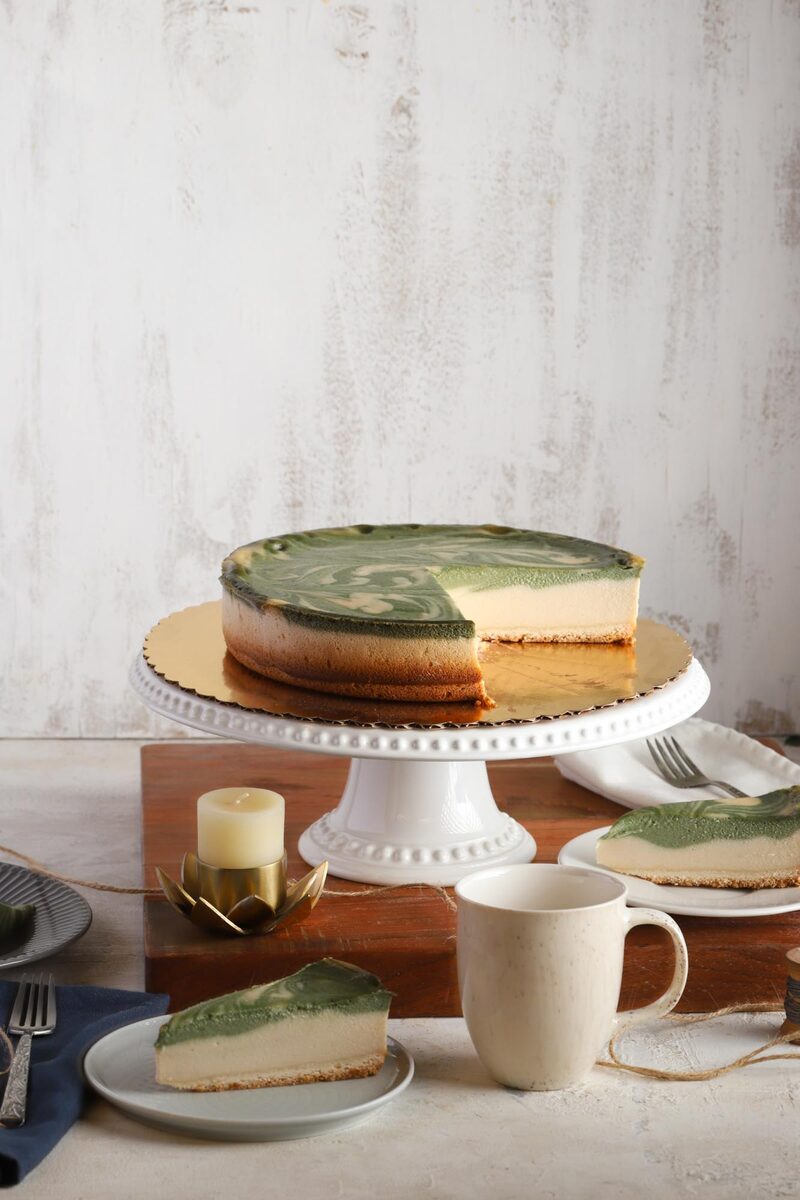
Desserts that deserve real whipped cream
Whip up a batch of this dreamy plant-based cream to take any dessert to the next level — like topping off a Sensible Bakery cheesecake.
Shop my bakery →