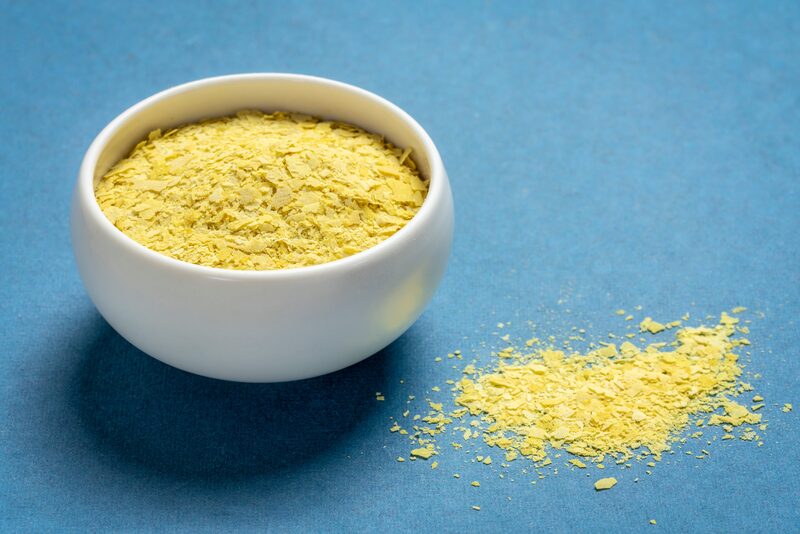
What is Nutritional Yeast?
Cheesy, funky, and gaining popularity as interest grows in vegan cooking.
Cheesy, funky, and gaining popularity as interest grows in vegan cooking, you’ve probably seen nutritional yeast on the shelf at the grocery store, and may have wondered what it’s for. So what are those funky little flakes, and how do you use them in cooking?
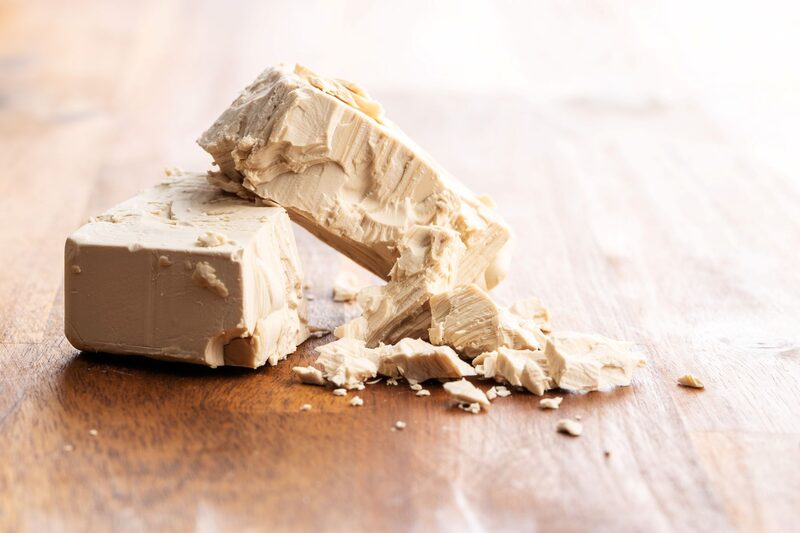
Yeast as a health food isn’t a new concept. In the 1920s and 30s the nation was swept by Fleischmann’s Yeast Cakes — pungent, bouillon cube like slabs of fresh yeast. In an era where vitamins were still a new and mysterious discovery, Fleischmann’s created a health craze by boasting a wide variety of nutritional benefits, some true and others not. The fall of yeast cakes came in part from the ads becoming a bit too ludicrous in their claims, as well as the short shelf life of fresh yeast and the abrasive taste.
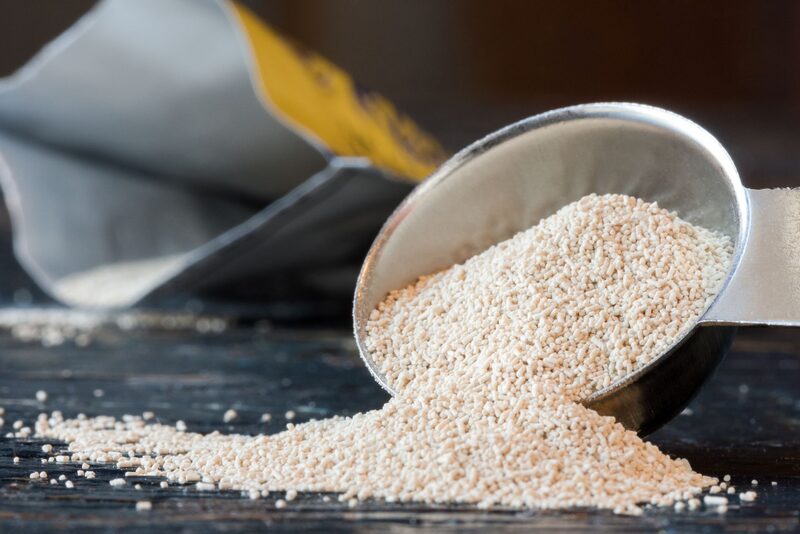
There were a few valuable discoveries that came from yeast cakes. One, that yeast lends itself very well to vitamin fortification. Two, the downfall of yeast cakes corresponded to the rise of dried yeast — a far more shelf stable product that became widely popular for baking, brewing and more recently as nutritional yeast.
Nutritional Yeast (sometimes called Nooch) is, well, yeast. It’s called “deactivated” yeast, so it’s the same type of yeast used for bread but doesn’t have any of those leavening properties. To make it into nutritional yeast it gets cultured, pasteurized, dried, and usually fortified with vitamins and nutrients.
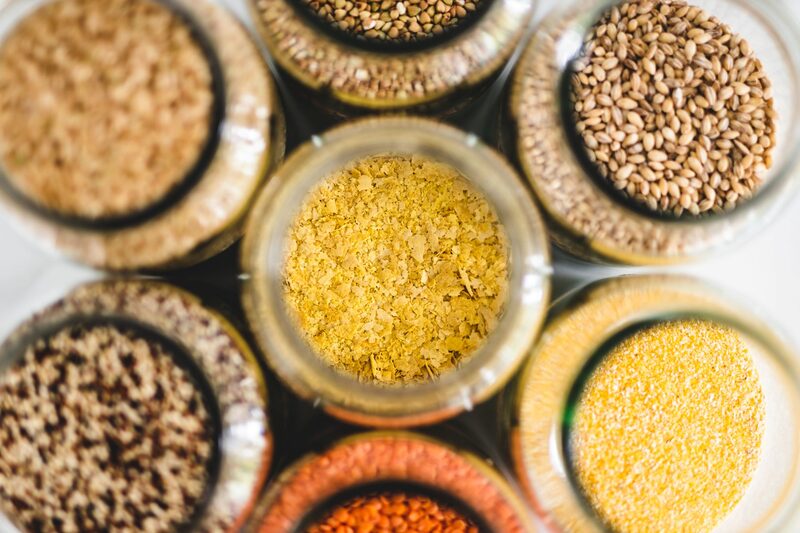
Nutritional yeast is rich in B vitamins, specifically B12, which is hugely important for a vegan diet. It also is a source of fiber and protein, boasting 5g protein and 2g fiber per 2 Tbsp serving, and is one of the few vegan proteins that is considered a “complete” protein. Despite its cheesy and savory flavor, it’s sodium-free and fat-free, as well as gluten-free and sugar-free.
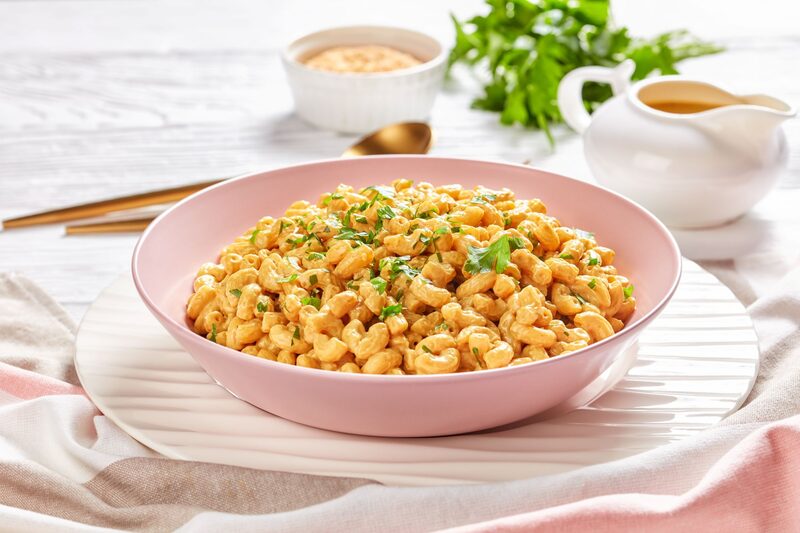
So how do you use it? The classic use for nutritional yeast is as a cheese substitute — its cheesy, savory flavor is perfect for sprinkling over anything from popcorn to kale chips to pasta. It makes a great vegan cheese sauce, and can be used for a delicious mac and cheese. You can also stir some into soups or stews as an easy and healthy way to add flavor.
Here at the bakery we use nutritional yeast in our vegan and gluten free Spinach Cheddar Quiche. It works great with tofu to make a vegan “egg” base that’s delicious and full of nutrition.
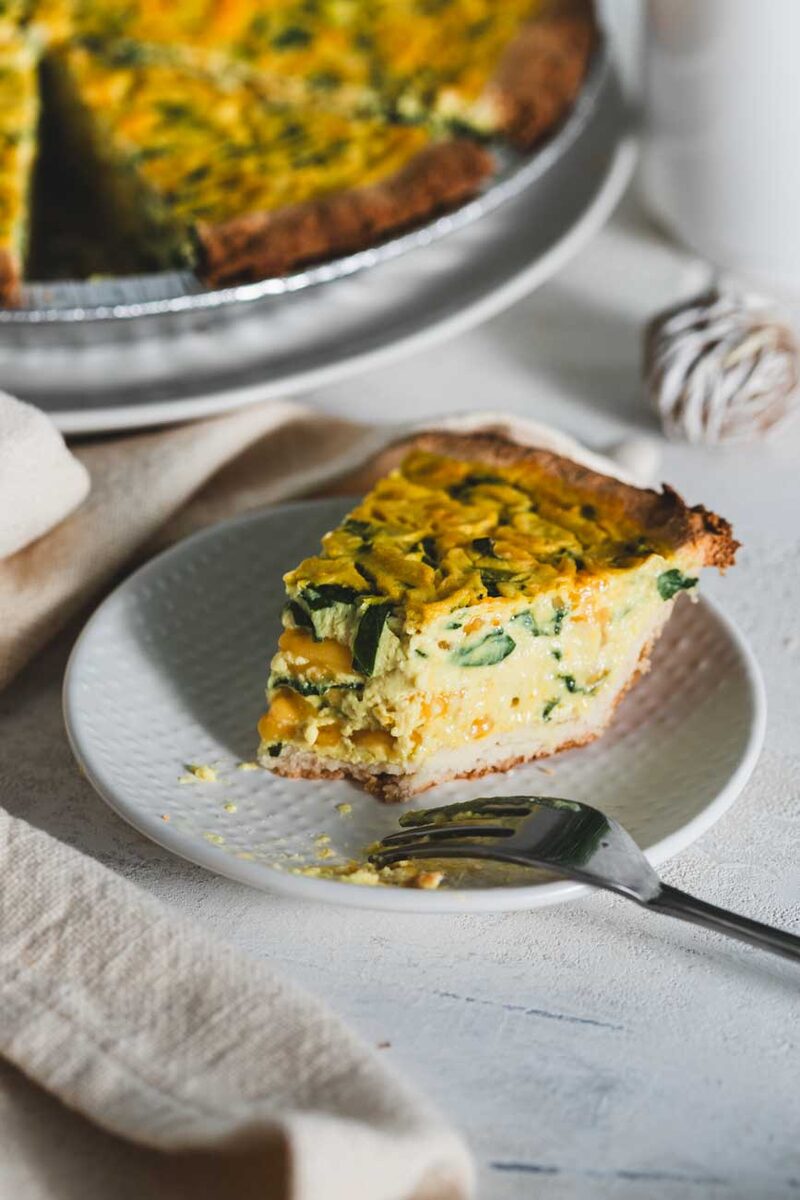
Taste nooch in action
Try our vegan and gluten-free Spinach Cheddar Quiche, fresh from the bakery.
Shop at Sensible →