Vanilla Extract vs Paste vs Powder
Three forms of vanilla, three different jobs. Once you know what each one does and start using them on purpose, your baked goods will get better for it.
Three forms of vanilla, three different jobs. Most home bakers grab whatever's on the shelf and call it a day. But once you know what each one actually does and you start using them on purpose, your baked goods will get better for it.
Vanilla Extract
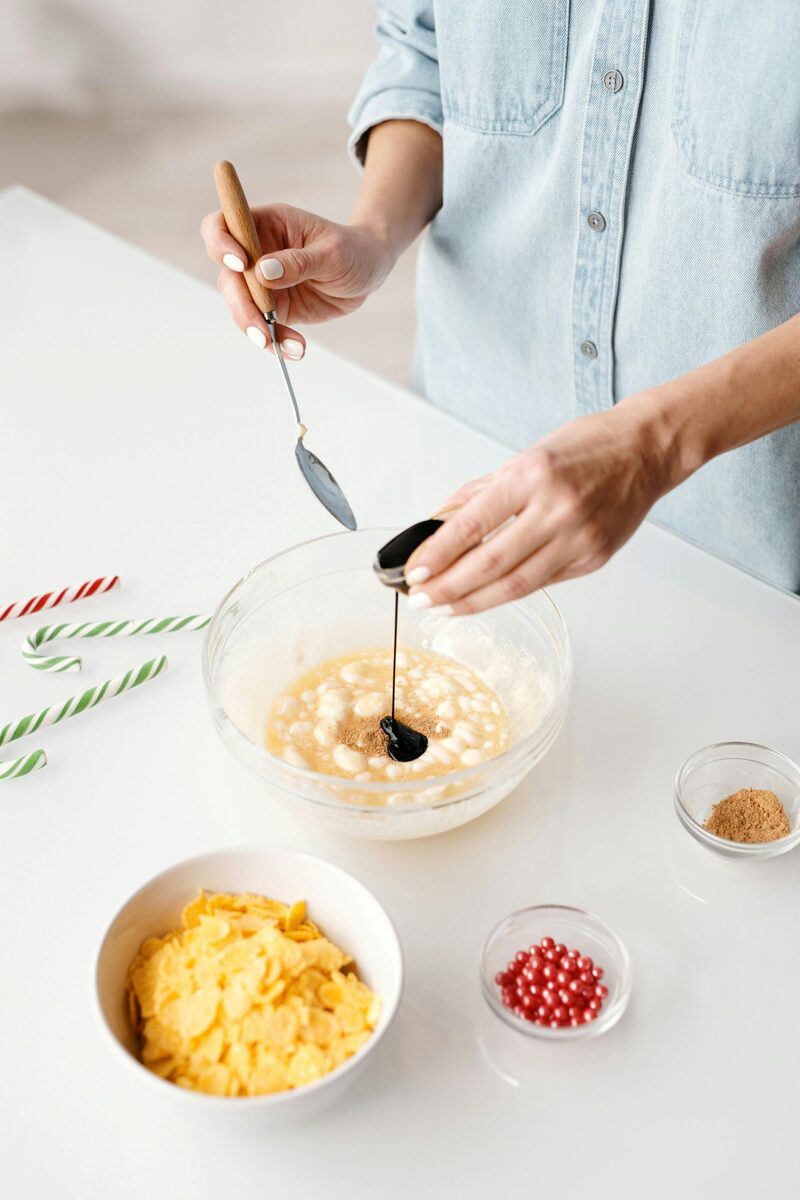
The workhorse. Vanilla beans steeped in alcohol (legally, at least 35% by volume in the US) until the flavor compounds dissolve into it. The alcohol is just used as a carrier. When extract hits a hot oven, the alcohol evaporates and takes the sharp boozy note with it, leaving clean vanilla behind in the crumb.
That's why extract is your default for anything baked, like cakes, cookies, muffins, quick breads, cinnamon rolls. The heat does the work for you.
Used raw, though, that alcohol stays sharp. Which brings us to paste.
Vanilla Bean Paste
Vanilla seeds suspended in a thick syrup, usually made from sugar, water, a thickener like xanthan gum, and sometimes a touch of extract. Cleaner brands keep the ingredient list short. Cheaper brands stretch it with corn syrup and "natural flavors," so check labels.
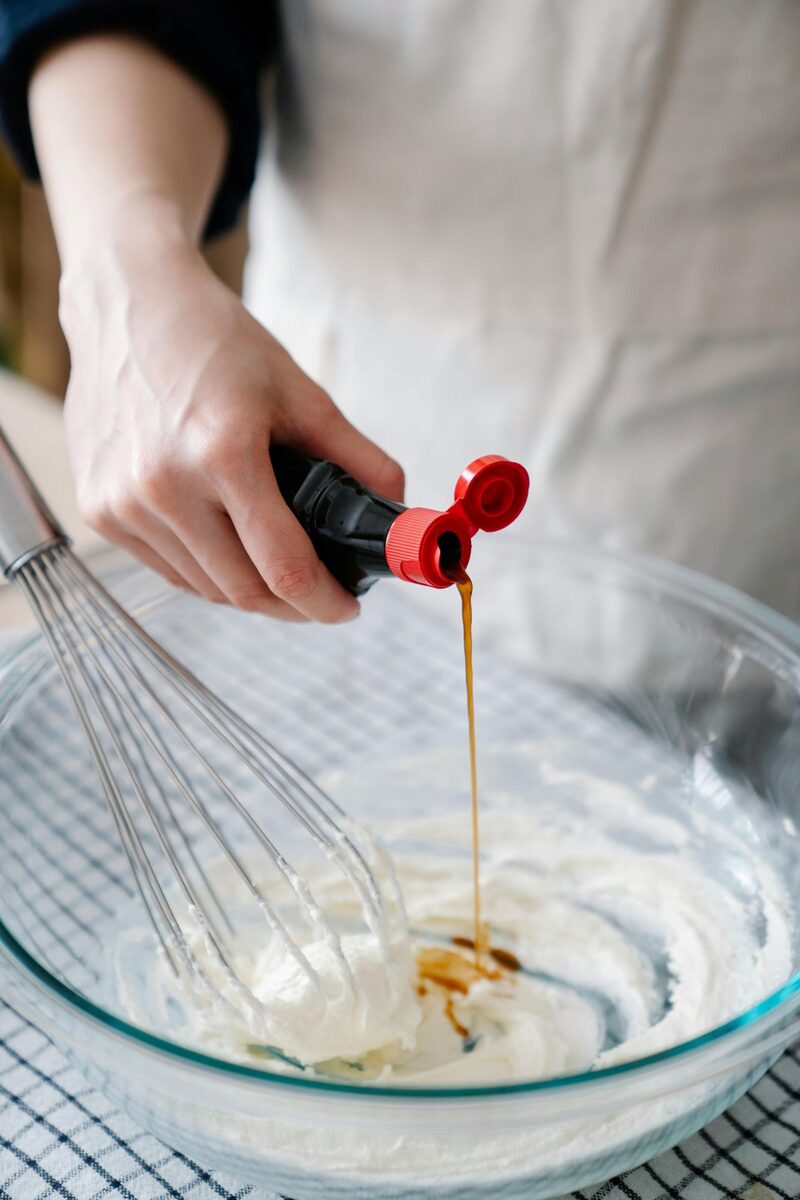
Paste is for anything that doesn't get baked or barely gets cooked: buttercream, whipped cream, cream cheese frosting, glaze, panna cotta, ice cream base, pastry cream. Without heat the alcohol wouldn't get cooked off if you used extract, and paste gives you a rounder, fuller vanilla without the sharpness. Plus those visible specks that tell people it's the real thing.
Although it's a common misconception, paste isn't stronger than extract. They have the same flavor strength and can be swapped out 1 for 1.
Vanilla Bean Powder
Either pure ground vanilla beans or vanilla extract dried onto a maltodextrin or starch carrier. Read the label because they behave differently.
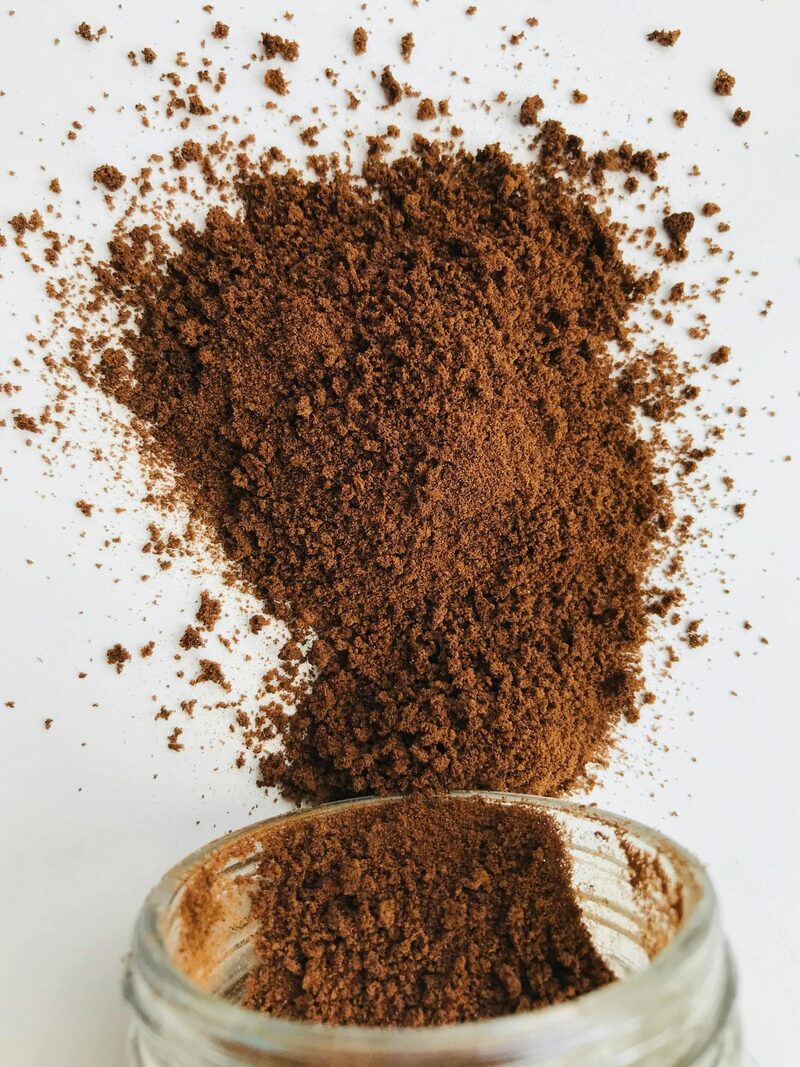
Powder shines where moisture is the enemy. Think dusting on top of finished pastries, mixing into dry ingredients for macarons, meringues, or shortbread where you don't want extra liquid, or stirring into powdered sugar for vanilla confectioners' sugar. It's also heat-stable and won't darken light-colored doughs the way extract can.
The downside is that it's the most expensive per teaspoon, and pure ground bean has a more rustic, almost smoky flavor than extract or paste.
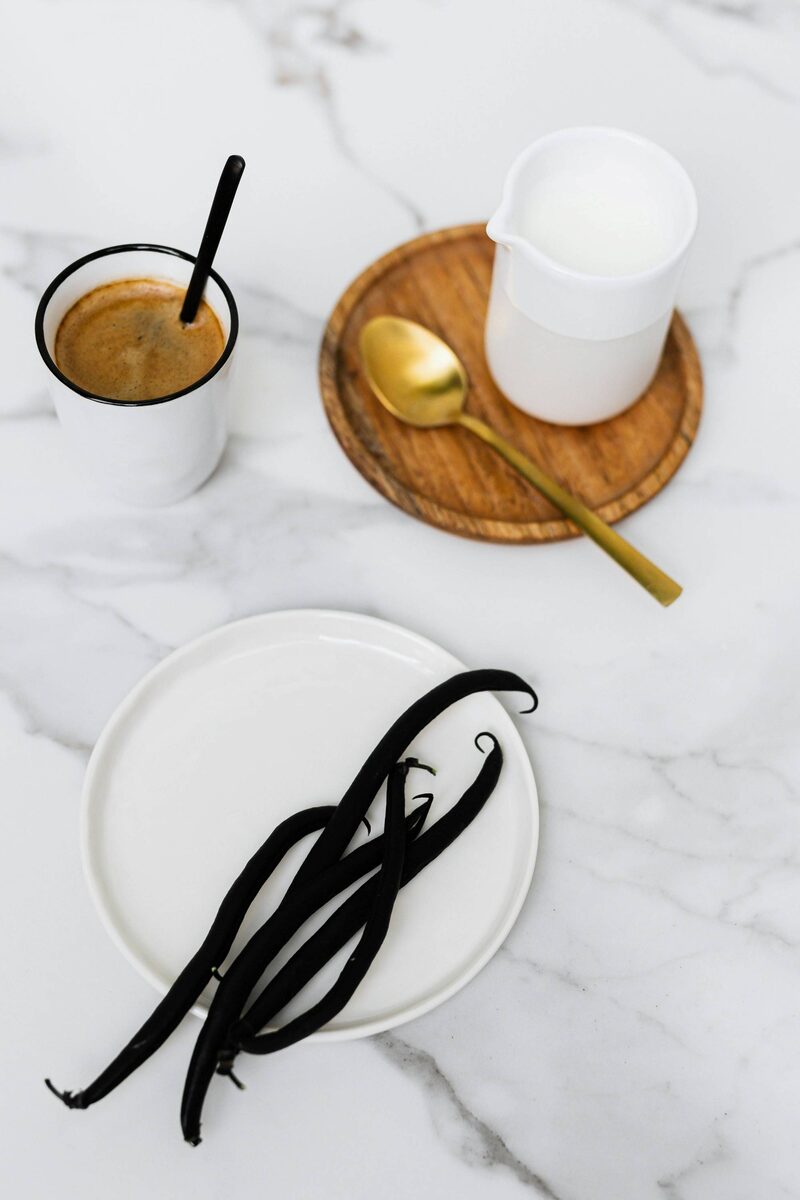
Extract for baked, paste for raw, powder for dry.
You don't need to have all three to bake. For most recipes, keeping extract and paste on hand covers 95% of what you'll do. If you want to get into fancier baking, powder can be a nice upgrade.

Real vanilla, in every bite
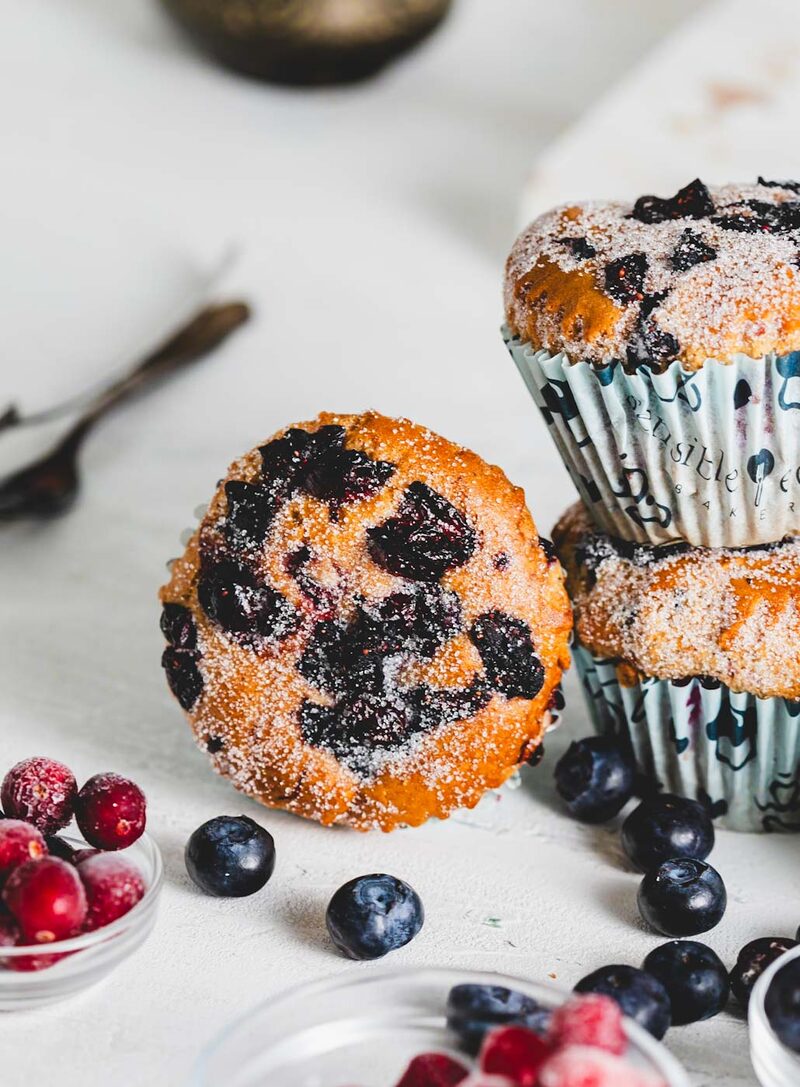
Try Sensible Bakery muffins for quality vanilla used with care for clean, full vanilla flavor in every crumb.
Shop muffins at Sensible →