
The Complete Guide to Salt in Baking
Salt does five jobs in baking, and none of them is making things taste salty. The science, the exact percentages by category, and why fine sea salt is the only one I use.
- Salt does flavor, fermentation, browning, hydration and shelf-life work.
- Measure it as a percentage of flour weight — about 1.5–2% for bread, less for cakes and cookies.
- Use fine sea salt; weigh kosher salt, and skip table and pink salt.
- Dissolve salt in your liquid before it meets the dry ingredients.
Salt is the most underestimated ingredient in baking. People think of it as a seasoning just added for taste, but in a bake it's doing structural, chemical, and biological work long before it does anything for flavor. Get it wrong and your dough overproofs, your crust stays pale, and your crumb tastes flat.
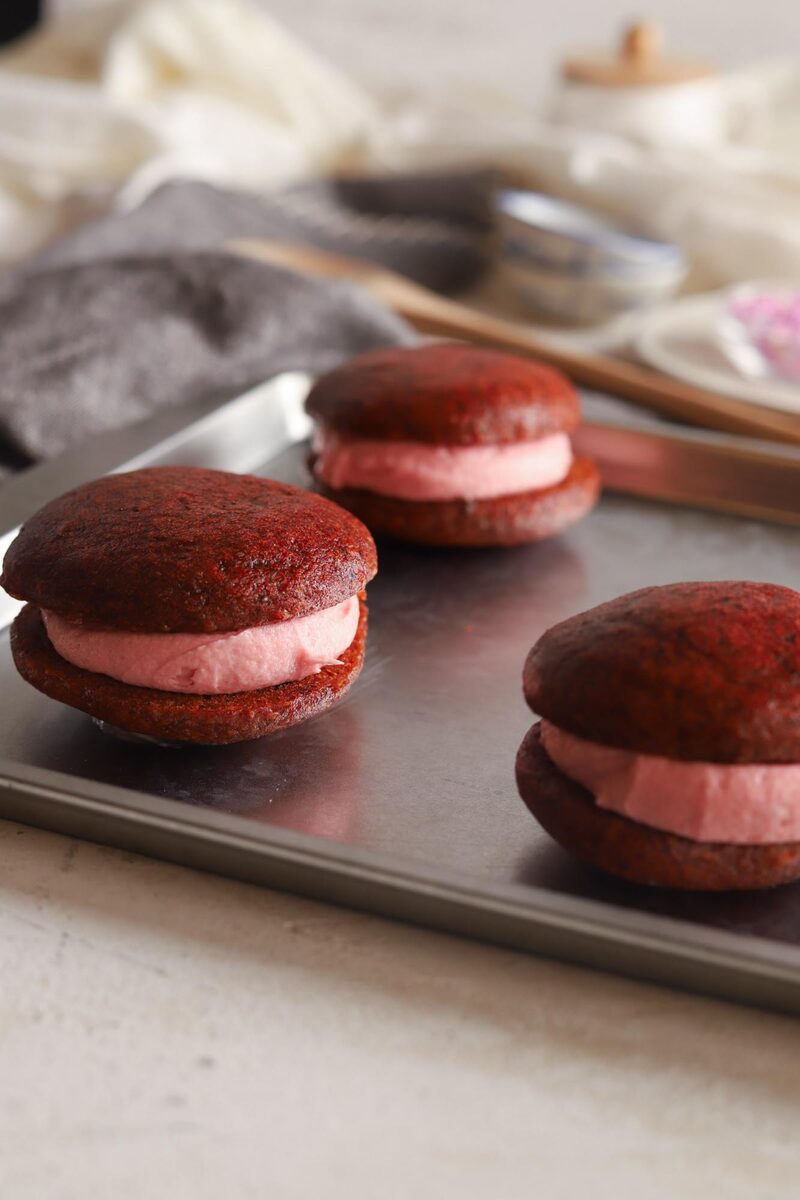
The Five Critical Roles of Salt in Baking
1. Flavor Enhancement & Balance
At typical baking percentages (1.5–2% of flour weight), salt works below the threshold where it registers as "salty". Instead, it serves to amplify and balance other flavors in baked goods. Salt enhances sweetness perception and brings forward subtle flavor notes from vanilla, spices, and fruits. It also suppresses bitterness, which is crucial with cocoa and whole grains. Without the added contrast from salt, even sweet bakes will taste flat and one-dimensional.
2. Fermentation Control
Salt regulates yeast and bacterial activity, which is essential for flavor development. At proper levels, salt will slow fermentation, extending bulk and final proof times. This allows for better flavor development through extended fermentation, leading to more organic acids, complexity, and depth. However, too much salt will inhibit or kill yeast, while too little will let fermentation race ahead too fast, leading to overproofing, weak dough, and flat flavor.
This is especially critical in sourdough and long-fermented breads where controlled, slow fermentation drives flavor.
3. Maillard Reaction & Browning
Salt enhances surface browning by increasing pH slightly at the surface, reducing the temperature needed for browning reactions. This creates a more flavorful, attractive crust. Undersalted bakes look pale and unappealing, even when technically baked correctly.
4. Water Absorption & Hydration (Especially Critical for Gluten-Free)
Salt increases water absorption in flour and dough, enhancing elasticity, making dough less sticky and easier to shape. Increasing water absorption also helps achieve target hydration in formulas and stabilizes dough temperature and consistency.
In gluten-free baking, where we're fighting inherent dryness, this is non-negotiable. Salt helps your GF dough hold water effectively, resulting in better texture and workability.

5. Shelf Life & Preservation
Adding salt slows staling by reducing water migration, inhibits mold and bacterial spoilage, and improves moisture retention in crumb. This extends the freshness of shelf-stable items like artisan breads, crackers, and packaged goods.
Salt Percentages by Category
Salt is measured as a percentage of flour weight. This is called baker's math or baker's percentages, and it's the most precise way to scale recipes.
Formula: (grams of salt ÷ grams of flour) × 100 = percentage
Bread & Yeasted Doughs
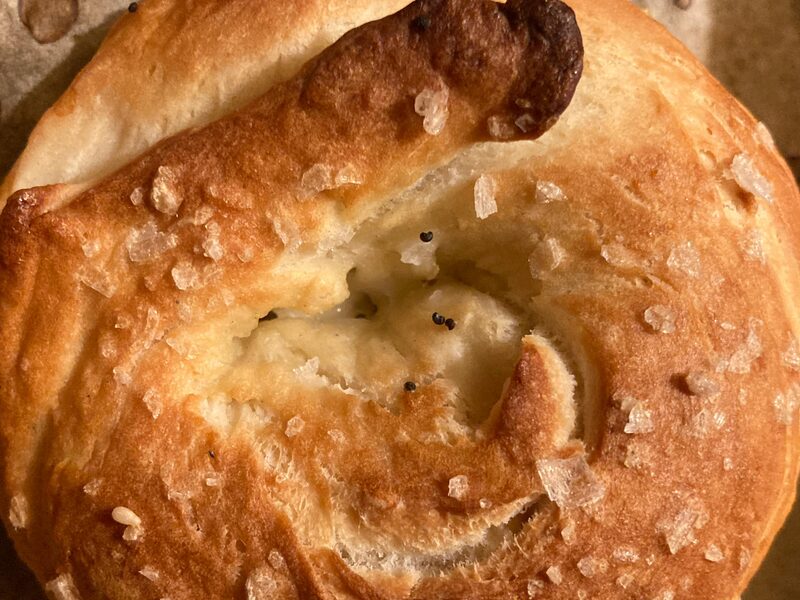
- Standard bread (sourdough, sandwich loaves): 1.5–2%
- High-hydration doughs (ciabatta, focaccia): 1.5–2% (same, but handles more water)
- GF bread: 1.5–2.2% (slightly higher for some blends; see GF note below)
Higher amounts of salt are needed for these doughs. Salt controls fermentation pace, enhances browning, and stabilizes gluten-free structure.
Enriched Doughs
- Brioche, sweet doughs, cinnamon rolls: 1.5–2%
- For items requiring extensive handling (shaping, braiding): 1.8–2.2% (extra salt stabilizes hydration during manipulation)
Cakes
- Standard cakes: 1–1.5%
- Dense/wet cakes (brownies, moisture-rich formulas): 1.2–1.5%
- Light/airy cakes (angel food, sponge): 0.8–1%
Cakes have higher sugar content, which already provides structure. Less fermentation control is needed, and therefore less salt.
Cookies
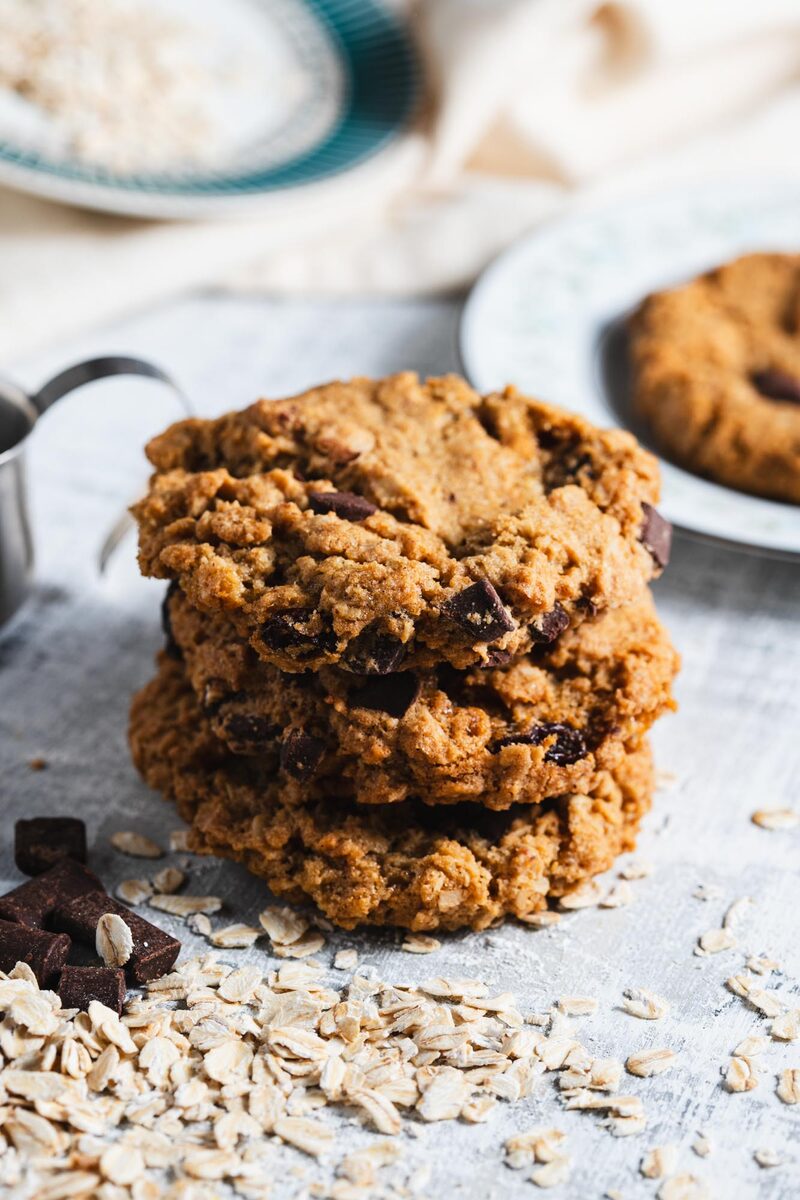
- Standard cookies: 0.8–1.2%
- Sugar cookies, decorative items: 0.5–1%
Cookies are typically short doughs with high fat. Salt's role is primarily flavor here.
Pastries & Laminated Doughs
- Croissants, Danish, puff pastry: 1–1.5%
Moderate salt helps structure without interfering with lamination.
Vegan Bakes (Any Category)
Use the same percentages as conventional for your category (bread, cake, cookie, etc.). Salt's function doesn't change based on whether fats/proteins are vegan. Use the formula category to determine salt, not the diet.
Gluten-Free Bakes (All Categories)
- Standard GF formulas: 1.5–2%
- GF breads requiring handling (cinnamon rolls, shaped loaves): 1.8–2.2%
GF flour blends vary widely. Some absorb water differently from others. Start at 1.5–2% and adjust based on how your specific blend performs. If your GF dough feels sticky or hard to handle, increase salt by 0.1–0.2% to stabilize hydration and elasticity.
Which Salt to Use & Why Fine Sea Salt is Non-Negotiable
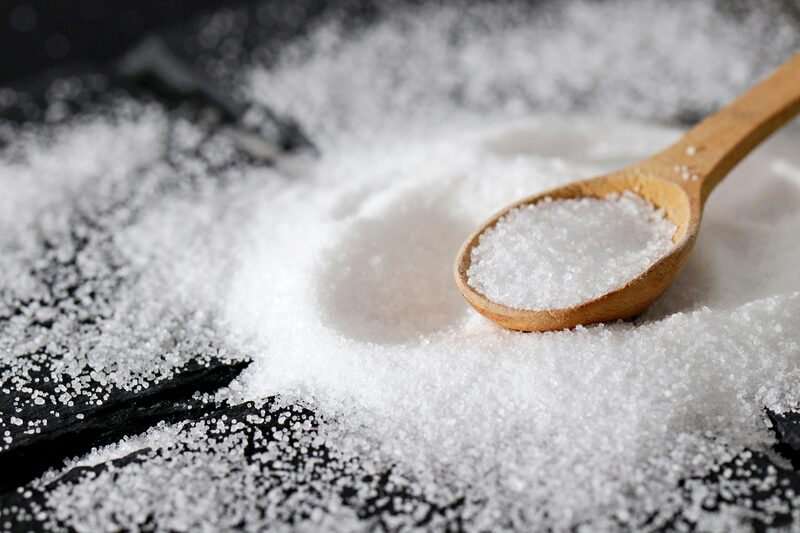
Fine Sea Salt
This is what I use, period. The consistent grain size dissolves evenly and quickly, distributing uniformly through dough and batter. Fine sea salt gives you precise measurements by weight, which is essential for baker's percentages. It also has no additives like anti-caking agents, iodine, or bleaching.
Fine sea salt is the professional standard used in commercial bakeries, and for good reason. Look for "fine sea salt" or "baker's salt". Grain size will typically be 0.5–1 mm.
Kosher Salt
Kosher salt is not ideal for baking, but it can work. It has larger crystals, making it less dense than fine sea salt. A tablespoon of kosher salt weighs less than a tablespoon of fine sea salt, which can cause measurement errors.
If you use kosher salt, you must weigh it (don't use volume), and you'll typically need more of it by weight to match the density of fine sea salt.
Table Salt
Avoid it completely; it's not worth the complication. Table salt contains anti-caking agents (ferrocyanide, calcium silicate) that can cloud doughs and batters. It's also heavily processed. There's no reason to use this in professional or serious home baking.
Himalayan / Pink Salts
Skip it for baking. It may be trendy, but inconsistent mineral content and grain size are bad news for baking. Fine for finishing, terrible for precision baking formulas.
Why I Add Salt to Wet Ingredients
I use the same method for adding salt every time: dissolve salt in your water/liquid (milk, eggs, oil, water blend) before mixing into dry ingredients. For example, in a 1000g flour dough at 1.8% salt, you'd dissolve 18g salt in your water/liquid, then add that to your dry ingredients.
This technique ensures even distribution and faster dissolution. Dissolved salt is available immediately to affect dough hydration and structure, while undissolved salt crystals create hard spots or flavor pockets. This is especially critical in GF baking, where achieving uniform hydration is already challenging. Even distribution ensures consistency, which is especially important in high-volume baking that requires predictable results every time.
If you take one thing from this guide: salt is a formula ingredient, not a pinch. Weigh it, dissolve it, and dial the percentage to the category you're baking — and everything else gets easier.
Keep going: Sugar: The Most Misunderstood Ingredient in Gluten-Free Baking, Leaveners: The Last Piece of Perfect Gluten-Free Baking, The Best Gluten-Free Sourdough Bread.
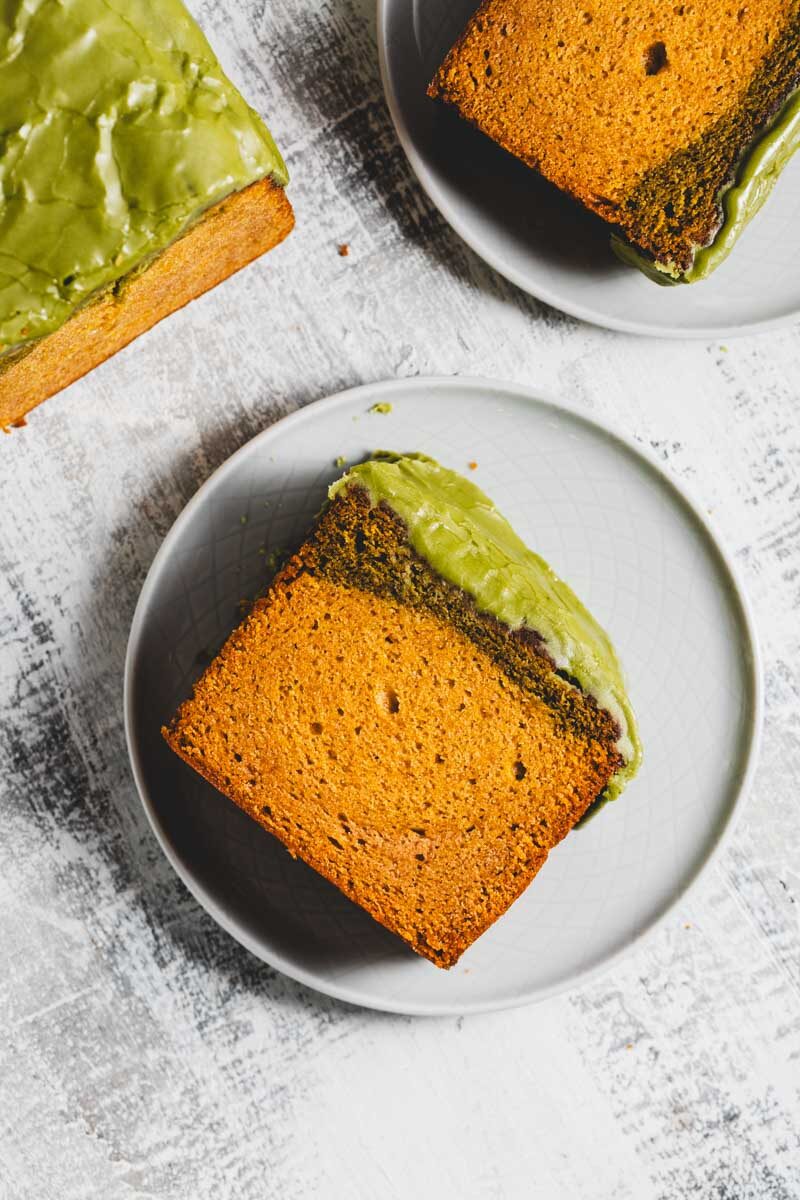
Properly salted, professionally baked
At Sensible Bakery, every loaf and treat is made with expert precision and technique. Vegan and gluten-free bakes with rich, never-flat flavor.
Shop my bakery →