
Stop Throwing Your Toppings In. There's a Better Way.
If your blueberries pool at the bottom and your chocolate chips streak the batter, you're mixing them in wrong. Four fixes from a commercial bakery kitchen.
If you've ever pulled muffins out of the oven and found all your blueberries pooled at the bottom, or your chocolate chips turned into a sad muddy swirl — this is for you. The fix isn't complicated, but it does require a little intention. Here's how we do it at the bakery, and how you can do it at home.
When you throw toppings into batter and mix aggressively, two things happen. Your mix-ins sink because the batter isn't holding them. And you knock out all the air bubbles you just spent time building. Air is what makes muffins and cakes light. Over-mix it, and you're baking a brick.
With wheat flour, there's a third problem: over-mixing develops gluten, which makes your crumb dense and chewy in a bad way. These problems all have the same solution — fold gently, late, and with intention.
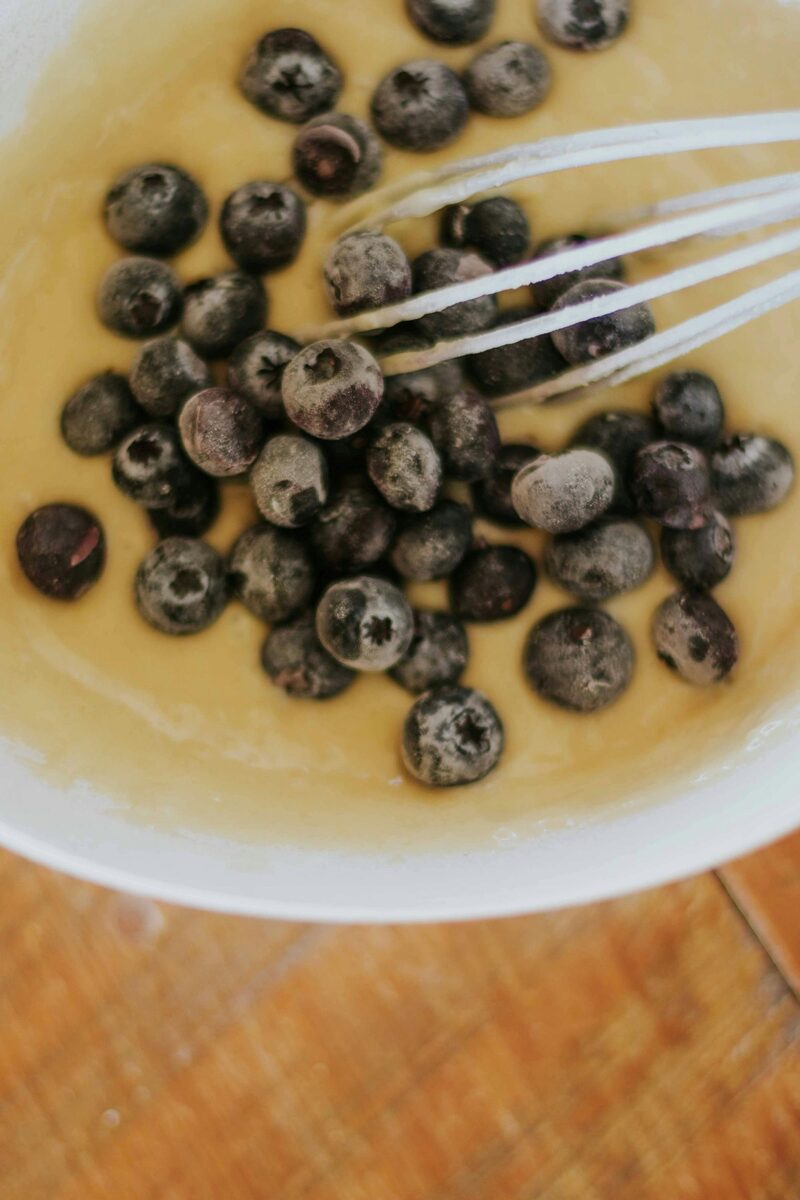
The three fixes
1. Keep everything cold
This is the most effective one. Refrigerate your batter before you fold in toppings, and keep your mix-ins cold until the last second. Cold batter is thicker and holds mix-ins in suspension better. Warm batter is loose, and loose batter lets everything sink.
2. Coat your mix-ins in flour first
Toss your chips or berries in a tablespoon of your dry ingredients before they go into the batter. The flour gives the batter something to grip. Without it, smooth-coated chips just slide right to the bottom.
3. Skip the mixer. Use a spatula.
Pull your batter out and fold by hand. Cut straight down through the center, sweep along the bottom of the bowl, and lift it up and over. Rotate the bowl a little with each stroke. Keep it slow and deliberate — you're incorporating, not stirring. And do it right at the end, just before you scoop.
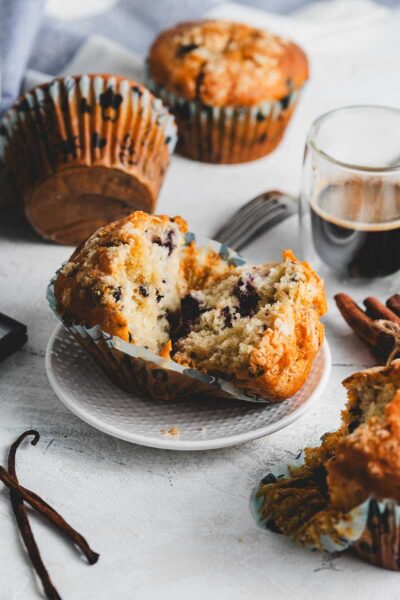
Topping-by-topping breakdown
Fresh berries
The most prone to sinking and the most fragile. Fold in no more than 3–4 strokes or you'll crush them and streak purple into your batter. Freeze them for 20 minutes before folding. Frozen berries hold their shape and slow the sink.
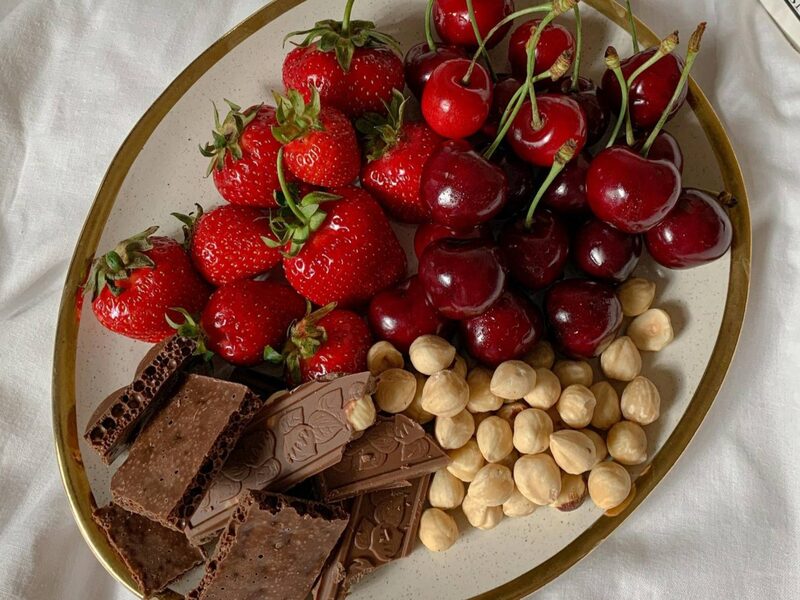
Chocolate chips
Keep them cold and coat in flour. Warm chips start to melt on contact with the batter, creating streaks instead of pockets. Cold chips stay intact. Mini chips distribute more evenly and are less likely to sink than full-size.
Nuts & chunks
Heavier than chips, so they need the flour coat more than anything. Chop to a consistent size so they distribute evenly. Toast them first — toasted nuts won't absorb moisture from the batter and hold their texture better after baking.
Soft fruits
Already wet, so they want to sink fast and can throw off your batter's moisture balance. Fold in very last and very gently. Pat dry with a paper towel before folding in. Less surface moisture means better grip.
Zest & spices
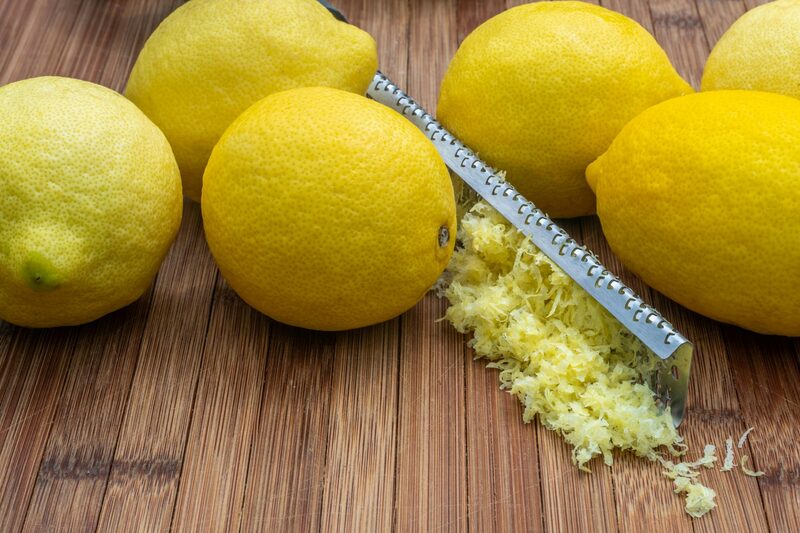
These don't sink, but they clump. Rub citrus zest into your sugar before mixing — it distributes the oils evenly. Add zest and dry spices to your dry ingredients, not at the fold stage.
Cheese & savory add-ins
Cheese can melt and create greasy pockets if the batter is warm. Keep batter cold and fold cheese in at the very end. Shredded cheese distributes better than chunks and melts more evenly through the crumb.
When the rules matter most
These apply most to muffins and cake batters — loose enough that gravity wins if you're not careful. Cookie dough is stiffer, so you have more leeway. Quick breads fall somewhere in the middle — treat them more like muffins than cookies. General rule: the looser the batter, the more careful you need to be.
Cold batter. Flour-coated mix-ins. Spatula, not mixer. Fold at the end, just before you scoop.
Four things — that's really all it takes to go from toppings that sink to toppings that stay. You're not an amateur. Bake like it.
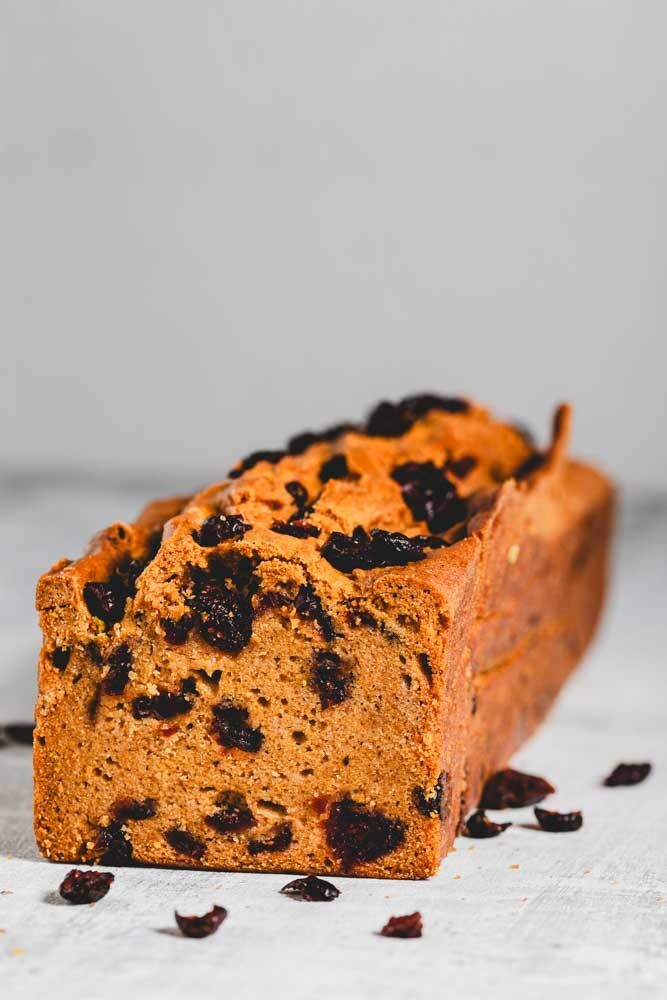
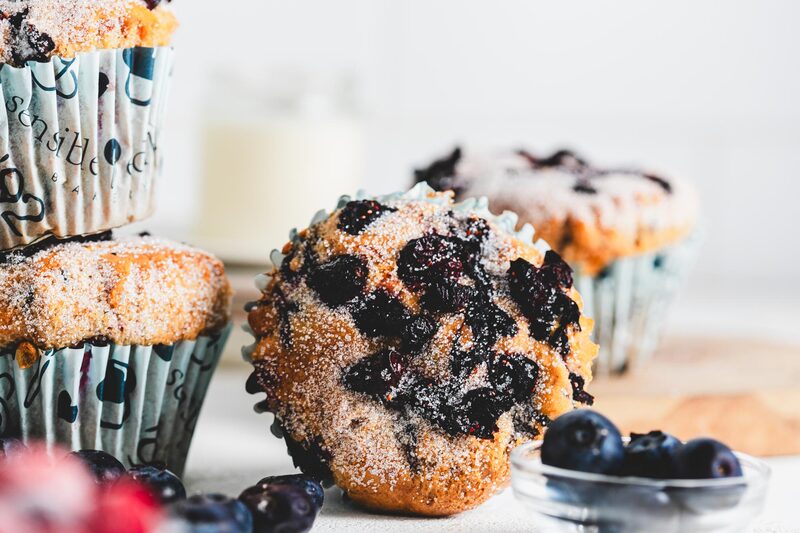
Muffins where the fruit stays suspended
If you'd rather skip the bake, we've already done the work. Gluten-free, vegan muffins with mix-ins that actually distribute.
Shop muffins at Sensible →