Sprouting Seeds And Why It Matters
Raw seeds lock up their minerals. Sprouting unlocks them. Here's how to sprout pumpkin, sunflower, quinoa, and more at home, plus the exceptions worth knowing.
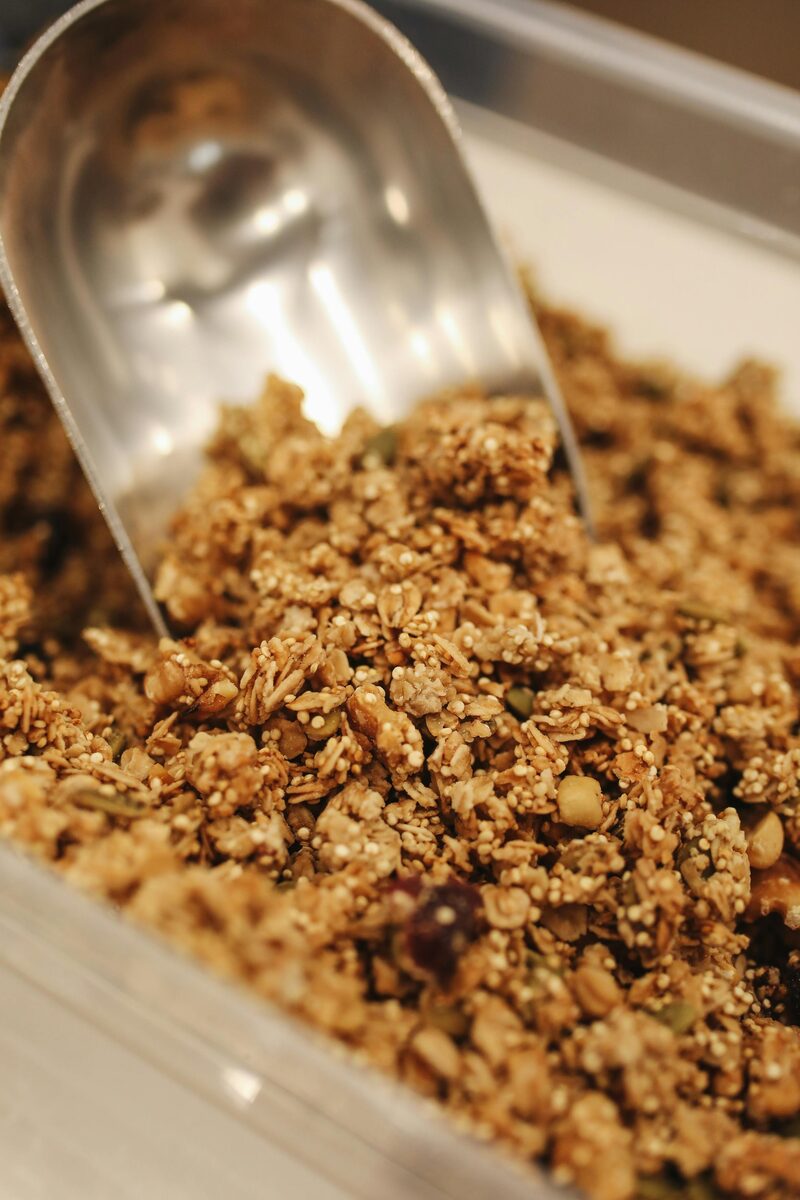
At Sensible Bakery, we take two extra days to sprout our pumpkin and sunflower seeds before they ever hit a granola tray. It's worth it.
Raw seeds contain phytic acid, an anti-nutrient that locks up minerals like zinc, iron, magnesium, and calcium inside the seed so your body can't absorb them. Sprouting flips on an enzyme called phytase that unlocks those minerals.
When a seed is sprouted, you get:
- More bioavailable minerals
- Folate goes up significantly
- B vitamins go up
- Protein gets easier to absorb
- Better texture, better flavor
Let's get into which seeds you can sprout at home and how — for granola, breads, crackers, or just snacking.
Method
- Make a soak solution of 1 tablespoon sea salt per 4 cups of water
- Soak seeds (time varies by seed, see below)
- Rinse thoroughly
- Dehydrate in the oven at 115°F until fully dry and crisp
That's it! The only thing that changes seed to seed is the soak time, with a couple of exceptions.
Seeds You Can Sprout
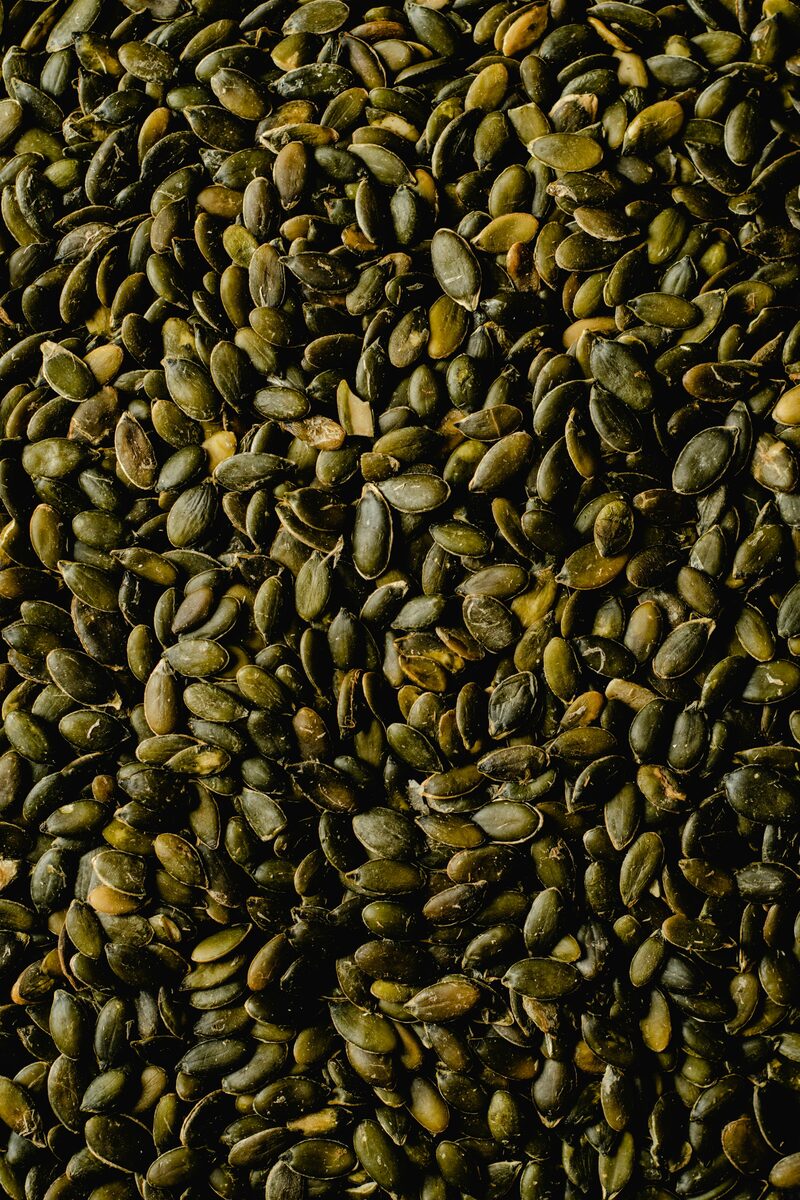
Pumpkin Seeds (Pepitas)
Soak: 7-8 hours
Best for: granola, seed crackers, bread toppings, trail mix
Pepitas sprout cleanly and dry back to a satisfying crunch. One of the easiest seeds to work with.
Sunflower Seeds
Soak: 7-8 hours
Best for: granola, breads, salad toppers, sunflower butter
Use raw, hulled, unsalted seeds. Sprouted sunflower seeds get a slightly sweeter, nuttier flavor.

Sesame Seeds
Soak: 8 hours
Best for: breads, crackers, tahini, bagel toppings
Use unhulled (brown) sesame for the most nutritional benefit — the hull is where most of the calcium lives. Hulled white sesame still benefits from sprouting, but to a lesser degree.
Poppy Seeds
Soak: 7 hours
Best for: breads, muffins, lemon-poppy baked goods
Poppy seeds are tiny and tricky to rinse. Use a fine mesh nut milk bag or very fine sieve.
Buckwheat (technically a seed, not a grain)
Soak: 30 minutes to 6 hours
Best for: granola, breads, breakfast porridge, crackers
Buckwheat sprouts fast and easily. Use raw buckwheat groats, not kasha, which is toasted and won't sprout. Buckwheat granola is a game-changer if you haven't tried it.
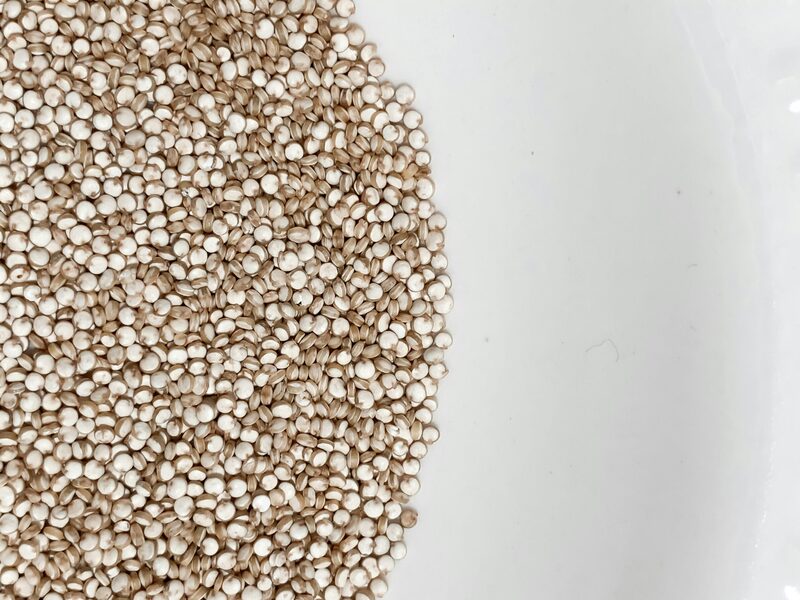
Quinoa (also a seed, not a grain)
Soak: 4 hours, then rinse and let sit 12-24 hours
Best for: granola, crackers, breads, salads
Sprouted quinoa adds a tender pop to granola and a complete amino acid profile to baked goods. Always rinse thoroughly to remove the bitter saponin coating.
Amaranth
Soak: 8 hours
Best for: granola, crackers, breads
Amaranth is tiny and high in protein. Sprouting unlocks its impressive mineral content (especially calcium and iron).
Sesame, Nigella, Caraway, Fennel, Anise
Soak: 6-8 hours
Best for: specialty breads, crackers, seed blends
These culinary seeds can all be sprouted using the same method. Worth doing if you're using them in volume — for a sprinkle on top of a loaf, the difference is negligible.
The Exceptions
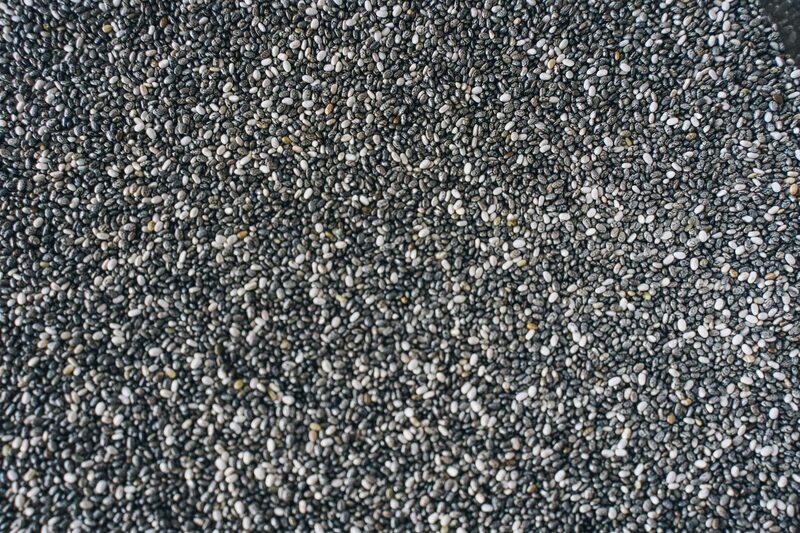
Flax Seeds
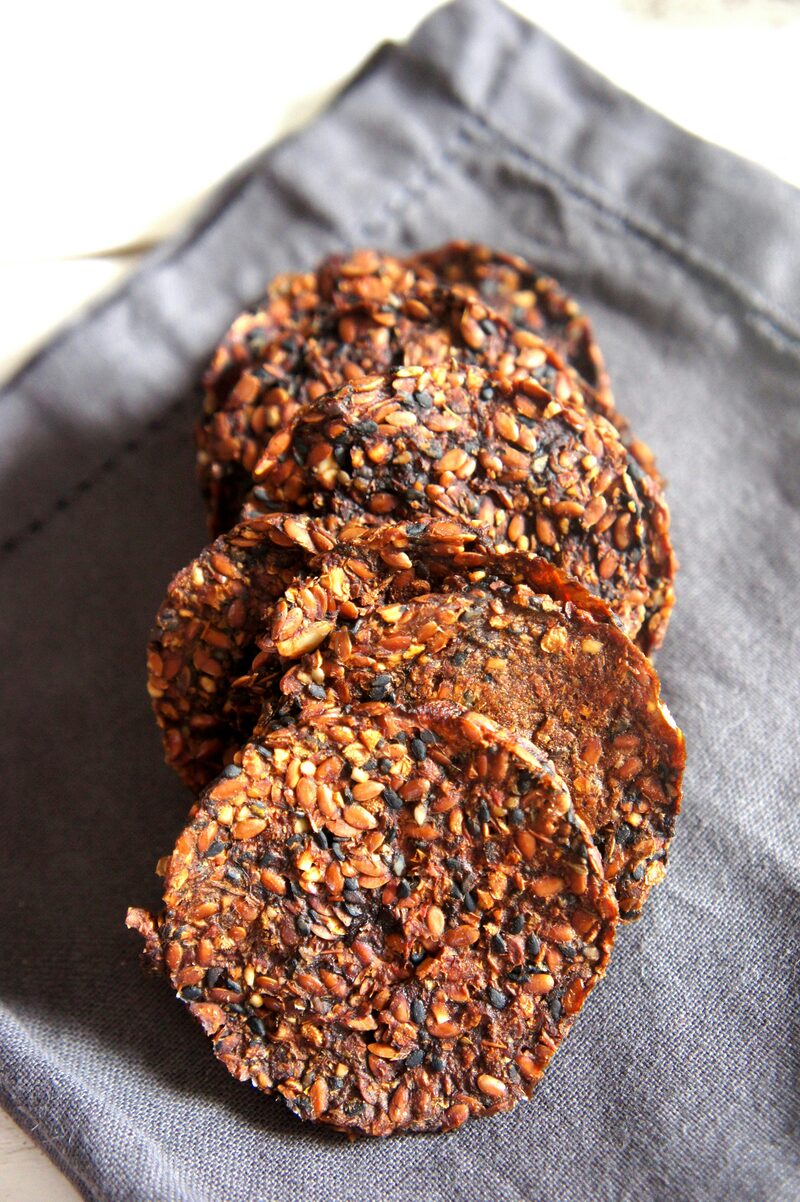
Soak: Don't soak the traditional way. Instead, mix 1 Tbsp flax with 3 Tbsp water and let sit for 30 min. It will form into a gel you can add right into your bake.
Best for: breads, crackers, egg replacer in vegan baking
Flax is a special case. Because of its mucilage (the gel coating), traditional sprouting doesn't work the same way. Instead, soak briefly, then use the gel directly, or grind dry, sprouted flax. Some bakers skip sprouting flax entirely since the body absorbs ground flax well anyway.
Chia Seeds
Soak: Same situation as flax, mix into gel
Best for: puddings, egg replacer, bread enrichment
Chia technically can be sprouted on a clay surface (like the old "Chia Pet" method), but for baking purposes, soaking and using the gel is more practical and still increases bioavailability.
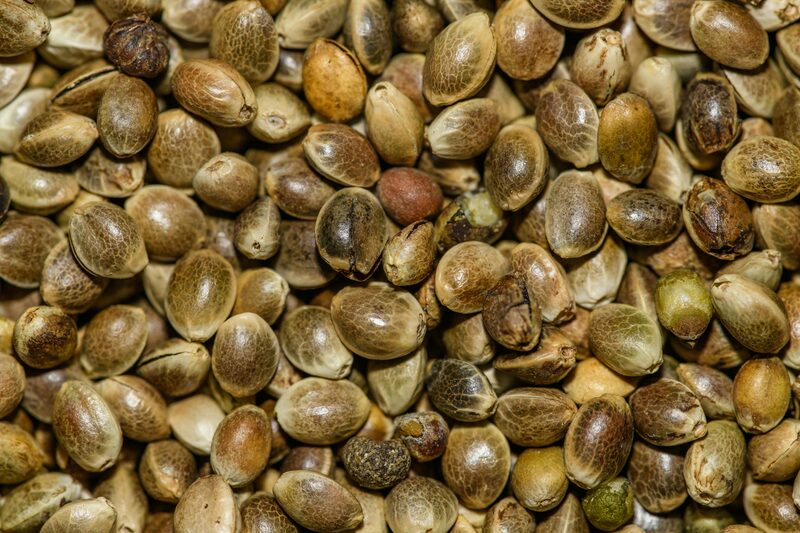
Hemp Seeds
Soak: No need to sprout, already raw and digestible
Best for: granola toppings, smoothies, breads
Hemp seeds are already shelled (called "hemp hearts") and very low in phytic acid. Sprouting isn't necessary or practical.
What About Nuts?
Nuts follow the same principle but with longer soak times:
- Almonds: 12 hours
- Walnuts/Pecans: 4-8 hours
- Cashews: 2-4 hours (don't oversoak — they get slimy)
- Hazelnuts: 8-12 hours
Everything else is the same as with seeds.
Storage
Once dehydrated, sprouted seeds and nuts store like raw ones:
- Pantry: 1-2 months in an airtight container
- Refrigerator: 4-6 months
- Freezer: up to 1 year
The dehydration step is what makes them shelf-stable. If you skip it or under-dry them, they'll mold quickly.
A Note on Time and Patience
Sprouting isn't hard, but it is a time commitment. For a home baker, that means starting your seeds two days before you plan to bake. For a bakery like ours, it means building it into the production schedule.
You're trading 24-48 hours of passive waiting for measurably better nutrition and flavor. To us, that's always going to be worth it.
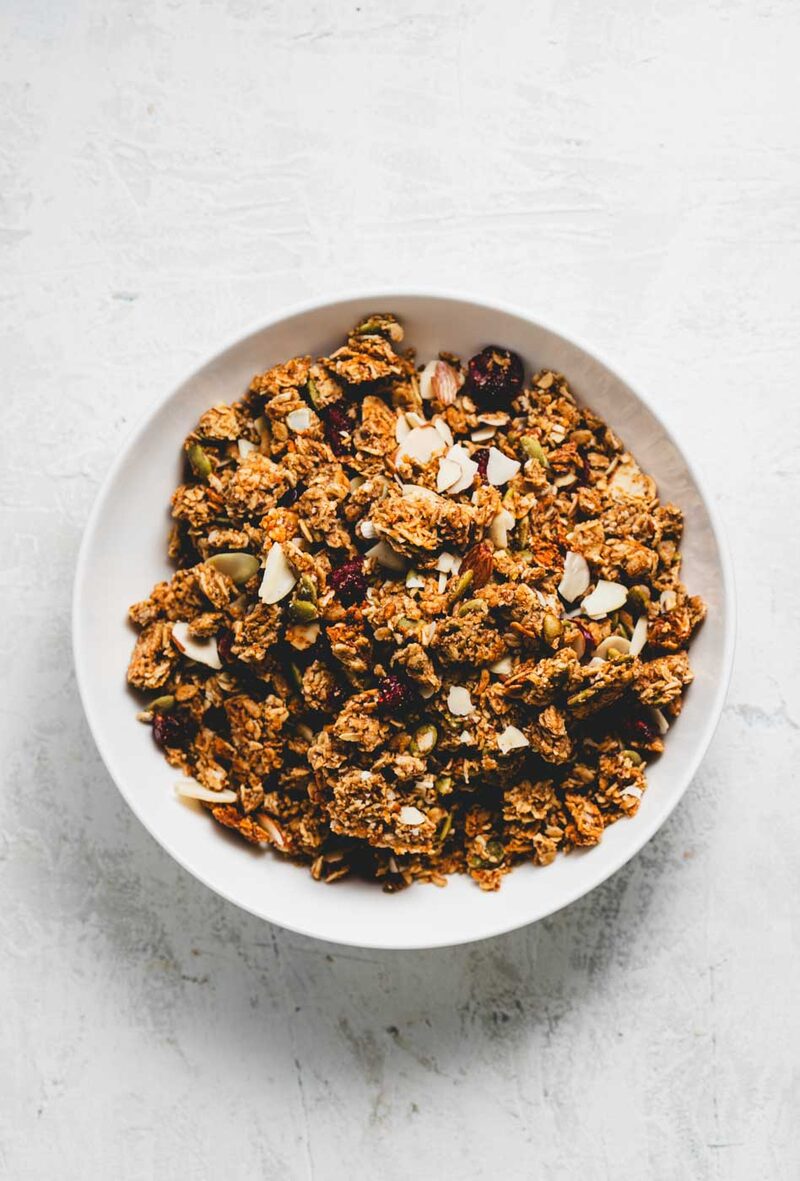
Granola, the way it's meant to be made
Sensible Bakery sprouts every pumpkin seed for two full days before they hit the granola tray. More minerals, better flavor, real crunch.
Shop House Granola →