
Gut-Healthy Postbiotics With Fermented Beets
Learn what ferments can do for your gut, plus an easy beet recipe to get started.
Skip to recipe ↓Chances are you've heard how great fermented foods are for your gut. And it's true! Ferments help your gut microbiome, digestion, and immune system - but not just for the reasons you might think.
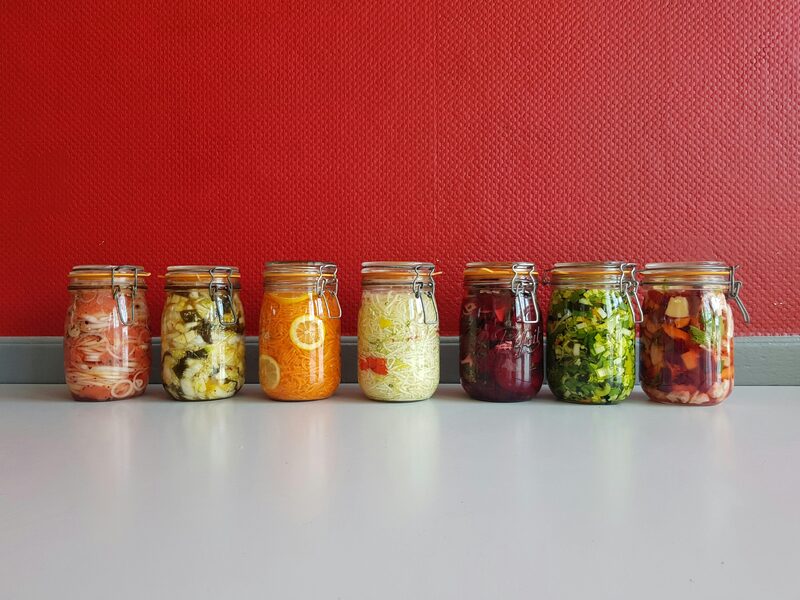
The benefits of fermented foods often get placed solely on probiotics- the good bacteria that live in your gut. Maybe throw in prebiotics too, the food to fuel the probiotic bacteria. However, rising evidence places many of these health benefits as being a product of a third -biotic: postbiotics.
Postbiotics are essentially the waste products of probiotics, the dead or inactive bacteria. As unappealing as that might sound, they are responsible for many of the gut and general health benefits you might associate with probiotics or prebiotics. The key to what makes fermented foods so valuable for your health is that it contains all three of these, living and dead bacteria, which work together to maintain a healthy microbiome and digestive system.
Fermented Beets
These fermented beets are a quick, easy, and delicious way to get the benefits of fermentation in your diet. We're giving you a simple starting point, so feel free to experiment with different add-ins and flavors.
Fermented Beets

Ingredients:
- 2 cups water
- 1 tablespoon salt
- 2–3 beets
- Any additional add-ins you'd like (garlic, lemon, ginger)
Equipment:
- Glass jar
- Fermentation weight
Steps:
- Peel and roughly chop the beets and any add-ins you'd like to include.
- Mix the salt and water together thoroughly to dissolve the salt.
- Fill the jar with your beets and other ingredients, and pour the salt water over them.
- Use the weight to press down your beets until they are ¼–½ inch below the surface of the water. It's important that no ingredients are in contact with the air.
- Leave them at room temperature out of direct light for two weeks and you'll have fermented beets and a happy gut.
Happy fermenting.
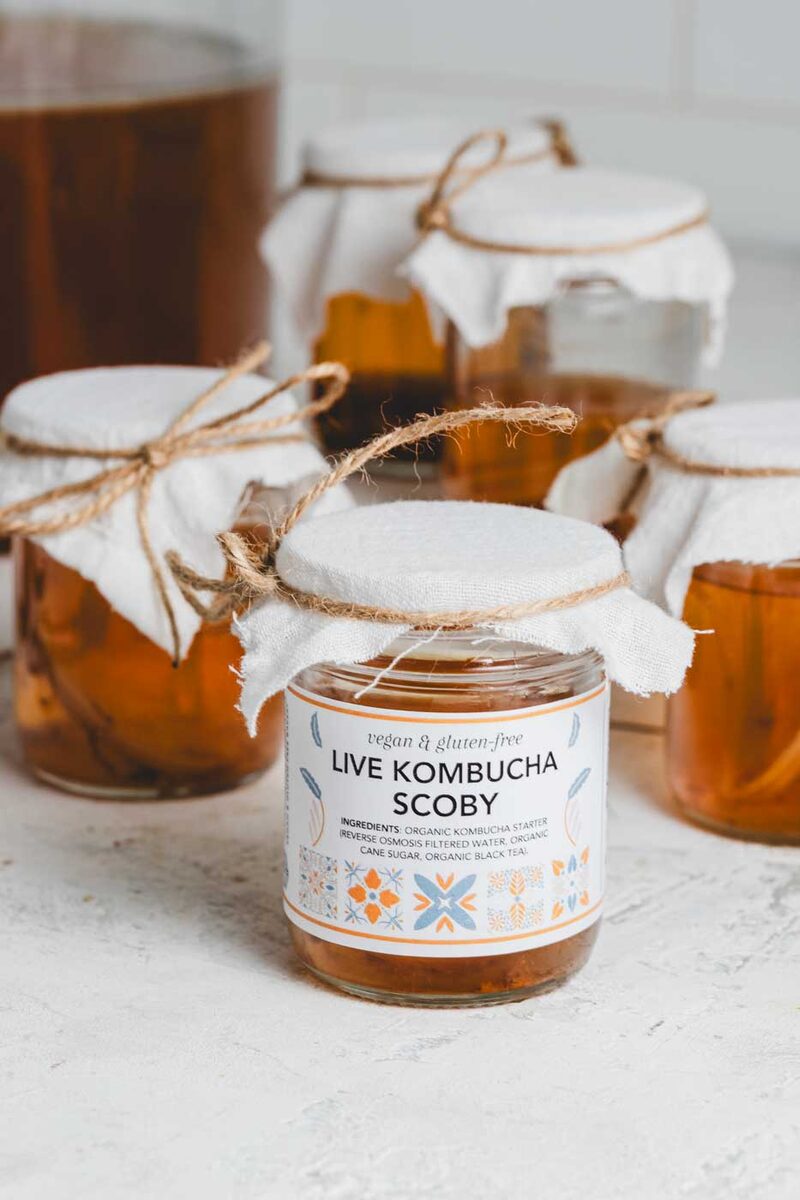
More fermented goodness from our kitchen
Get more gut-healthy goodness with Sensible Bakery kombucha scobys, live and ready to go.
Shop at Sensible →