
Essential Egg Replacements for Vegan Baking
Eggs do three jobs in baking - binding, moisture, and leavening. The key to veganizing a recipe is knowing what you're replacing.
One of those age-old vegan questions is how to veganize a non-vegan recipe and have it actually turn out correctly. That’s because vegan substitutes aren’t all one-to-one replacements for their animal-based counterparts. Instead, they’re intended to replace specific attributes, so their effectiveness as a replacement depends on the situation. When you chose a substitute it's important to not just know what your options are, but how each of them work.

The first step in picking which egg substitute to use is to consider what elements of an egg you’re trying to emulate. The main functions of eggs in baking are binding, moisture, and leavening. These replacements will generally only replicate one or two of those functions, so pay attention to your recipes and if there are other sources of binding, moisture, or leavening present to determine what you need.
1. Flax Eggs
Flax eggs are an excellent option, and the one we use most often at our bakery. They are great for binding and moisture, and can enhance the consistency of your bakes.
Making a flax egg is super simple: Just combine 1 Tbsp flax with 3 Tbsp water per egg and let sit about 10 minutes to gel. If you need your egg ready quicker you can also use an immersion blender to speed up the process. Chia seeds can also be used for similar results to flax.
2. Fruit Puree
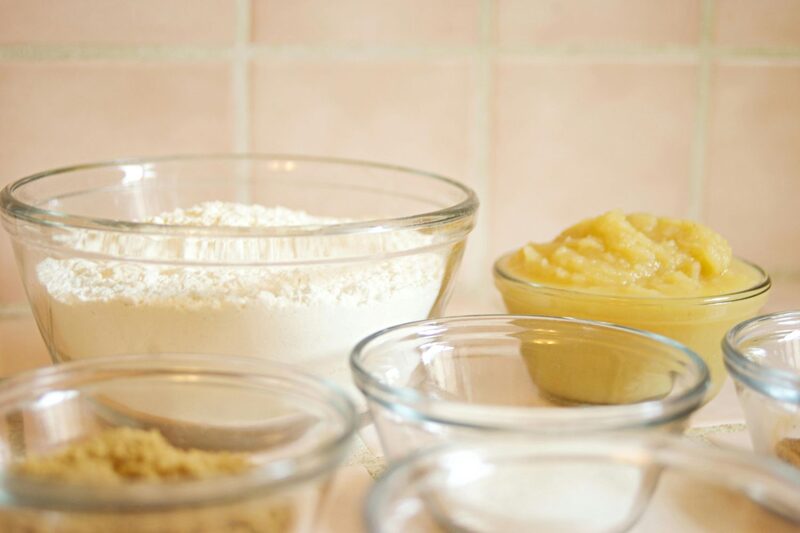
Most fruit and vegetable purees are usable as egg substitutes. ¼ cup of any puree will function as one egg. Applesauce, banana, and pumpkin are some of the most popular options. They provide lots of moisture, and binding as well. An important consideration is that many of these options will have a stronger flavor and should be used sparingly or with complementary flavors. Used correctly the flavor can be a great bonus, just be prepared for your pumpkin puree muffins to taste like pumpkin.
3. Baking Soda
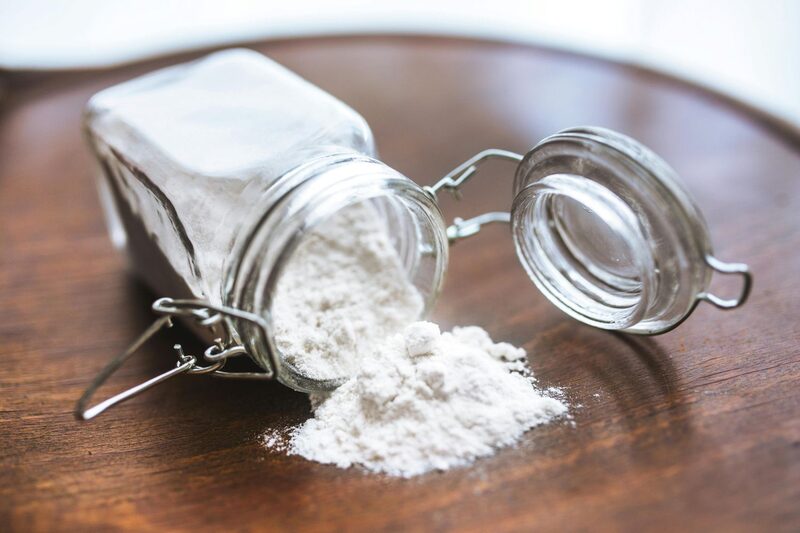
Baking soda is the top choice if you need some extra leavening. It’s important to note that it must be combined with an acid like vinegar or lemon juice just like in any other use of baking soda. 1 tsp baking soda mixed with 1 Tbsp vinegar will replace one egg.
4. Aquafabia
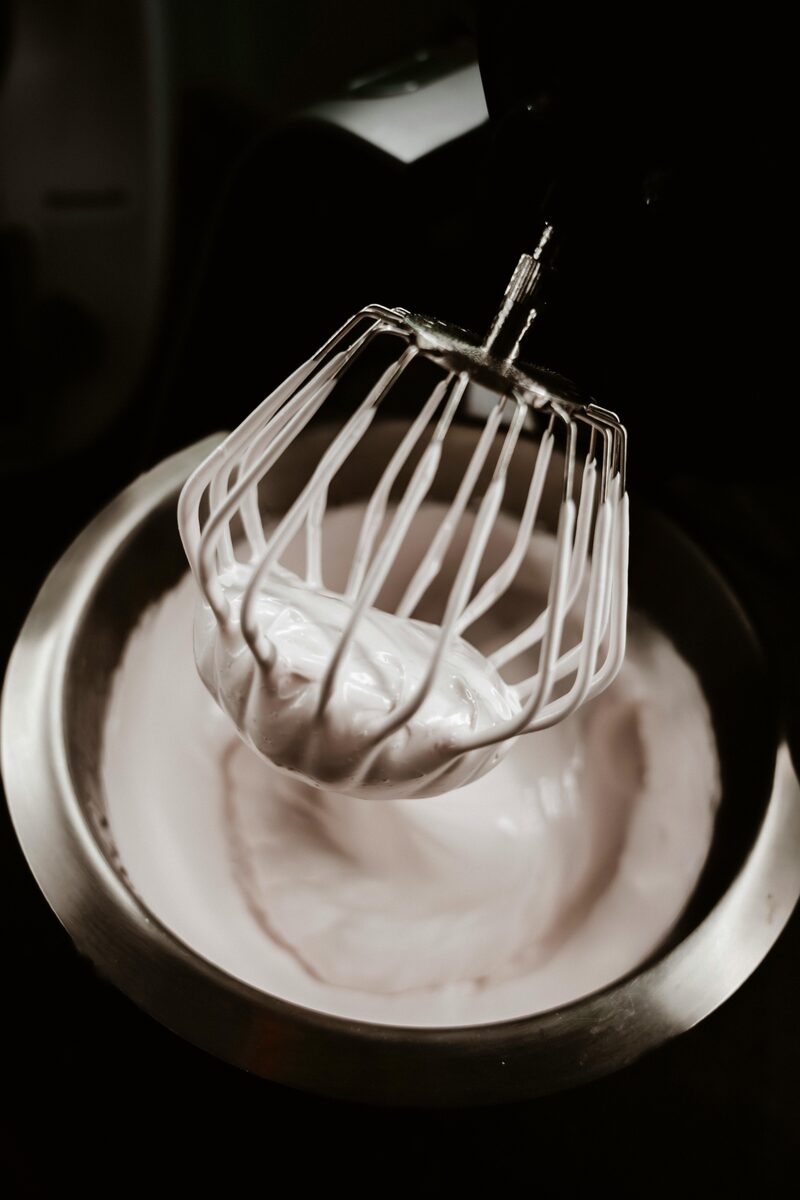
Aquafabia is a classic option, and for good reason. For those who don’t know aquafabia is the liquid from canned chickpeas (don’t worry, it won’t make your bakes taste like chickpeas). Aquafabia is great for binding and even adds some leavening to your bake. Simply replace each egg with ¼ cup of aquafabia.
One of aquafabia’s best properties for baking is that it can whip up into stiff peaks just like egg whites, and can be used to make vegan merengue.
Final Thoughts
For a detailed breakdown check out this video on my Instagram. This certainly isn't an exhaustive list of egg replacement options, but these are some of my favorites that I find work best for baking.

Fluffy muffins made with flax eggs
We've spent twenty years dialing in egg-free recipes that don't crumble, sink, or fall flat. Try them straight from the bakery.
Shop at Sensible →