
Baking Basics Every Beginner Needs to Know
Whether you're vegan, gluten-free, or none of the above, these tips are for you.
- Weigh dry ingredients on a digital scale instead of using cups.
- Use the fat temperature the recipe says — cold, room-temp, and melted each give a different texture.
- Don't overmix once the flour is in; fold gently until no dry streaks remain.
- Bake on the middle rack and check your oven with an oven thermometer.
Calling all the beginner bakers! If you struggle with your bakes not turning out like the recipe, there's a good chance the reason why is on this list. Whether you're vegan, gluten-free, or none of the above, these tips are for you.
Let our experience help you avoid common baking mistakes and make diving into the world of baking a little less daunting.
1. Weigh, Don't Scoop
Ingredients like flours will vary in density between different brands or even just different harvests. Additionally, when you're measuring with a cup measure it's easy to accidentally vary how much the ingredients you're using are being packed down. The only way to ensure truly accurate and consistent results for dry ingredients is to use a digital scale rather than measuring cups.
For wet ingredients this doesn't apply—using measuring cups and spoons is perfectly fine.
2. Match the Fat to the Bake
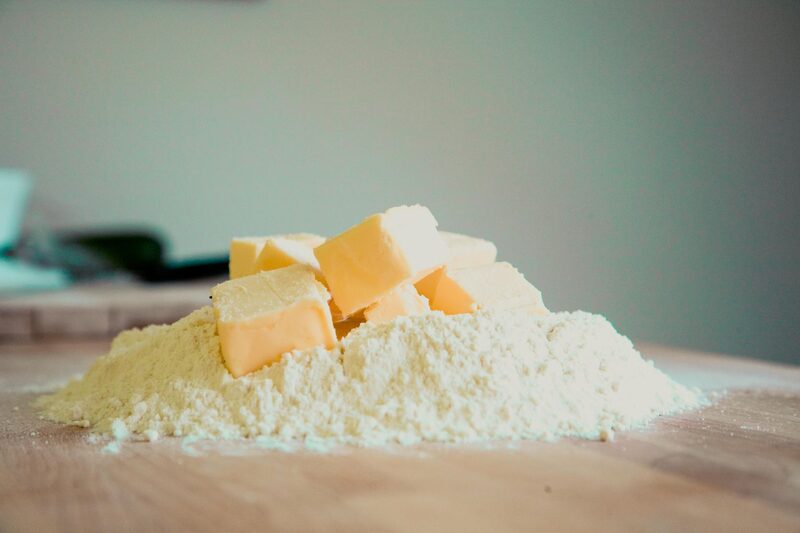
Most times when you're following a recipe you'll see it specify if the butter or shortening is cold, room temperature, or melted. I cannot emphasize this enough: the temperature DOES matter, and it WILL affect the outcome of your bake.
Cold, solid butter is ideal for flaky, layered bakes. Cold butter creates steam and separates the dough into flaky layers. Use this for pie crusts, biscuits or scones.
Room-temp fat is creamy. Soft vegan butter blends smoothly into cakes, cookies, and frostings. It mixes well with other ingredients and creates emulsion that helps trap air, keeping everything tender and creamy.
Use melted butter for fudgy results. Think brownies. Melted butter mixes smoothly with other ingredients, not leaving any room for air. This creates a dense, chewy texture.
Now if you're a beginner you don't need to be figuring out what temperature butter you're going to use yourself, but this should help illustrate the importance of following what is in the recipe, and may help with troubleshooting if your bakes haven't been turning out right.
3. Don't Overmix Once Flour Is In
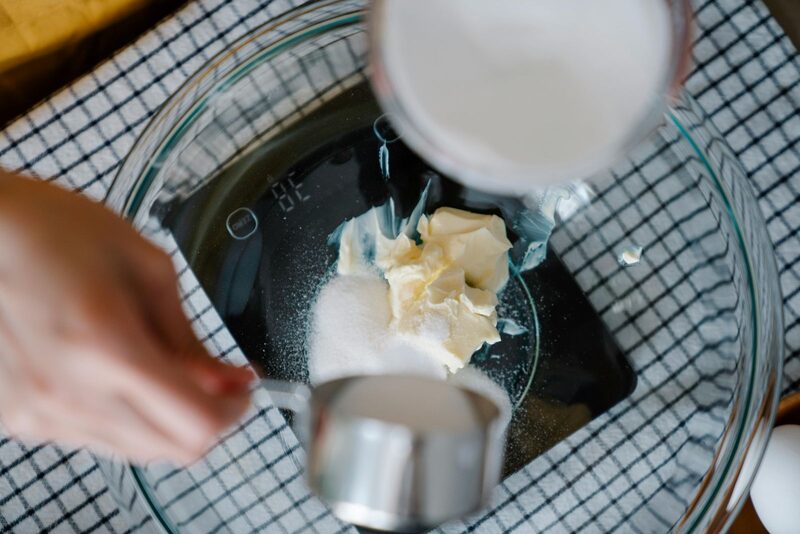
Overmixing makes batters gummy and dense, even without gluten. Mix your wet and dry ingredients very thoroughly separately, then once they're combined fold gently until no dry streaks remain. When in doubt, slightly undermixing will be less unpleasant than a rubbery texture.
4. Stick to the Middle Rack
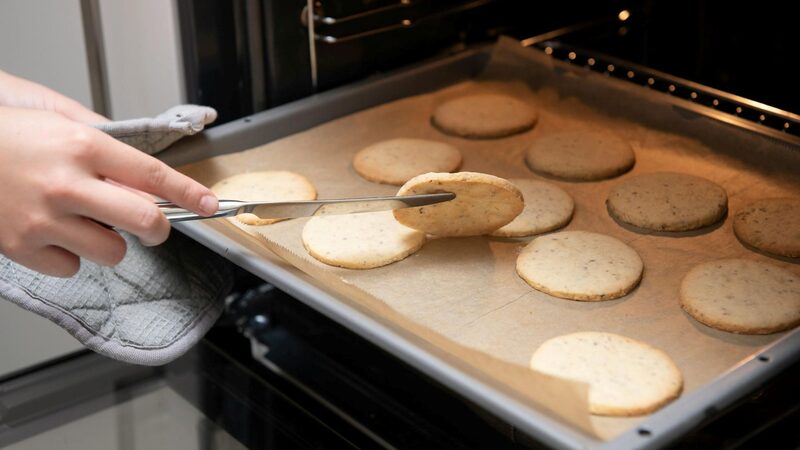
Centering your pan in the oven will give you the most even heat distribution. On the top it may burn, and on the bottom it will turn out soggy. Unless the recipe specifies otherwise, stick to the middle rack.
5. Use an Oven Thermometer
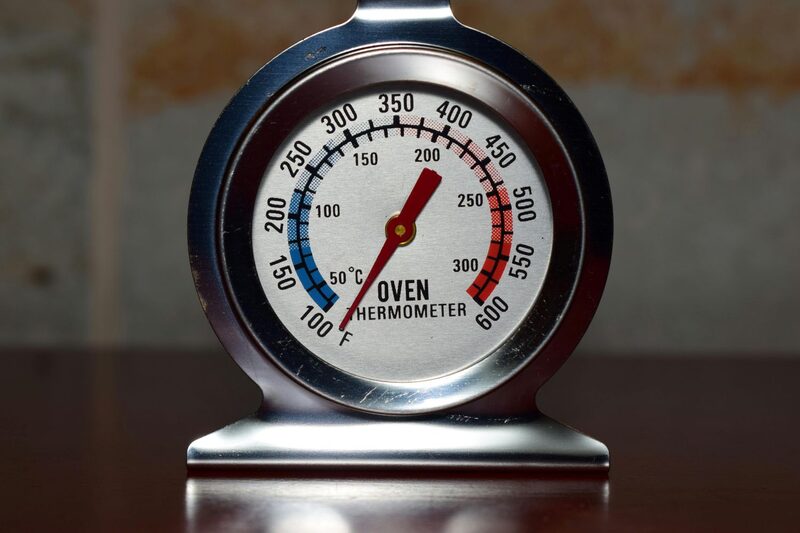
Chances are, your oven temperature is slightly off. Possibly even very off. If your bakes turn out under or overcooked even if they're in for the right amount of time at the right temperature, this is probably why. Oven thermometers are a cheap and easy way to ensure you're following the recipe correctly.
Final Thoughts
If you want more in depth tips and explanations you're in luck! Besides diving into the rest of the posts on this blog I have videos breaking down all kinds of baking concepts here. We're tackling baking in a non-intimidating way for beginners, so you learn not just what to do but why you do it.
There's no shame in not knowing what you haven't learned yet, and the only way to become a great baker is to start from the beginning.
Keep going: Everything I know about baking in 90 seconds, How to grease your pan like a pro baker, Five mistakes sabotaging your gluten-free baking.
Knowledge that truly pays off
Taste twenty years of honed vegan and gluten-free baking experience.
Shop my bakery →