Baking (and Eating) More Sustainably
Small changes to what you eat and where you buy it add up. Practical tips on cutting food waste, reducing packaging, and eating local and in season.
The choices we make with what we eat have an effect on the world around us, and something as simple as changing your diet or where you buy your ingredients can have a real impact. That can sound overwhelming, so let's break it down and talk about some simple, easy changes that can have big effects.
1. Limit Food Waste
According to the EPA, one-third of all food in the United States goes uneaten. Limiting your food waste doesn't just reduce your environmental footprint; it also helps you avoid throwing your money down your drain with your rotten produce. Here are some tips to start cutting down on your food waste:
- Plan your meals. Plan out what you're eating for the week ahead of time so you can only buy what you need. Take inventory of what you already have and what you can use before you buy anything else.
- Freeze leftovers and foods that are about to go bad. Label everything so it doesn't get forgotten in the back of the freezer.
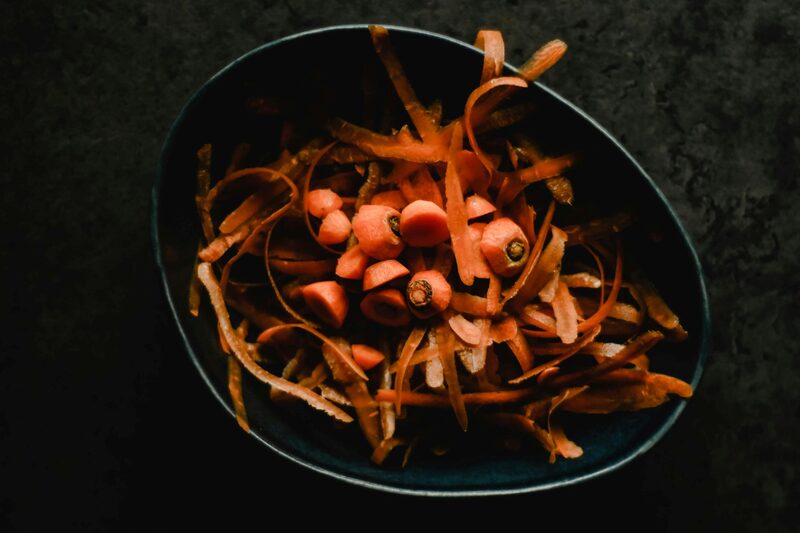
- Get creative with scraps. Vegetable scraps and peels can make soup stock. Fruits and vegetables past their prime can be preserved by pickling or making jams. Try not to let anything edible go to waste.
- Buy loose produce. Prevent yourself from overbuying by only getting exactly as much as you need. If available, go for the "ugly" produce with physical imperfections that often lead to it getting thrown away but don't impact flavor (ie, nothing actually rotten). As a bonus, you can often find "ugly" produce at a discount!
- Compost, compost, compost! Here at the bakery, all our scraps go into the compost to put those nutrients right back into the soil and grow more delicious food.
2. Reduce Animal Products
Animal agriculture alone generates over 14.5% of human greenhouse gas emissions. This is a systematic problem that must be addressed to limit global temperature increase. However, personal decisions can have an impact. Even if you don't completely give up animal products, limiting the amount you consume is the most significant way you can reduce your environmental impact.
3. Reduce Packaging Waste
Plastic, especially non-recyclable soft plastics, is building up in landfills. Avoid single-use packaging whenever possible with these tips:
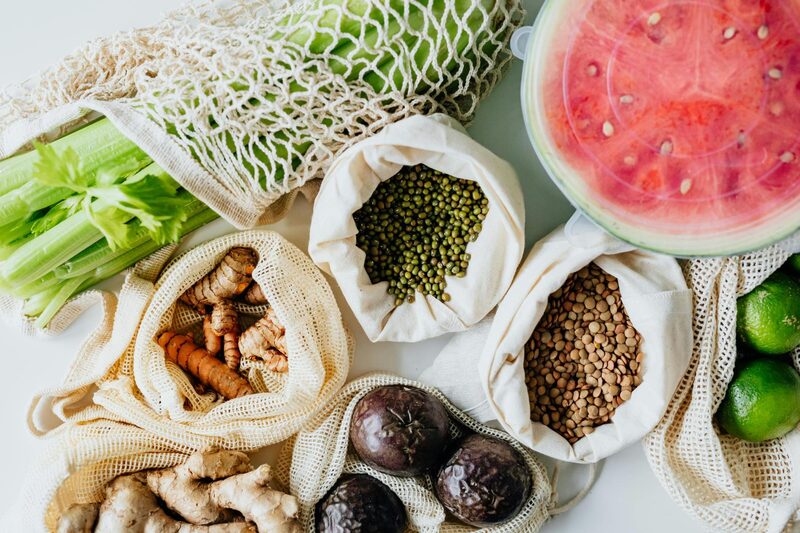
- Bring your own bags. Bring reusable shopping bags, as well as bags for picking produce and bulk goods, rather than disposing of plastic bags after every grocery trip.
- Choose unpackaged whenever possible. Pick loose produce rather than prepackaged. If you have the option of bulk dry goods such as rice or lentils, go for those as well. Be sure to store everything properly once you get home to avoid spoilage.
- Reuse what you can. Rinse and reuse glass jars for storage. You can do the same with hard plastic containers, just be careful with reusing them for food, as they can leach harmful microplastics when heated or frozen.
4. Eat Locally / In Season
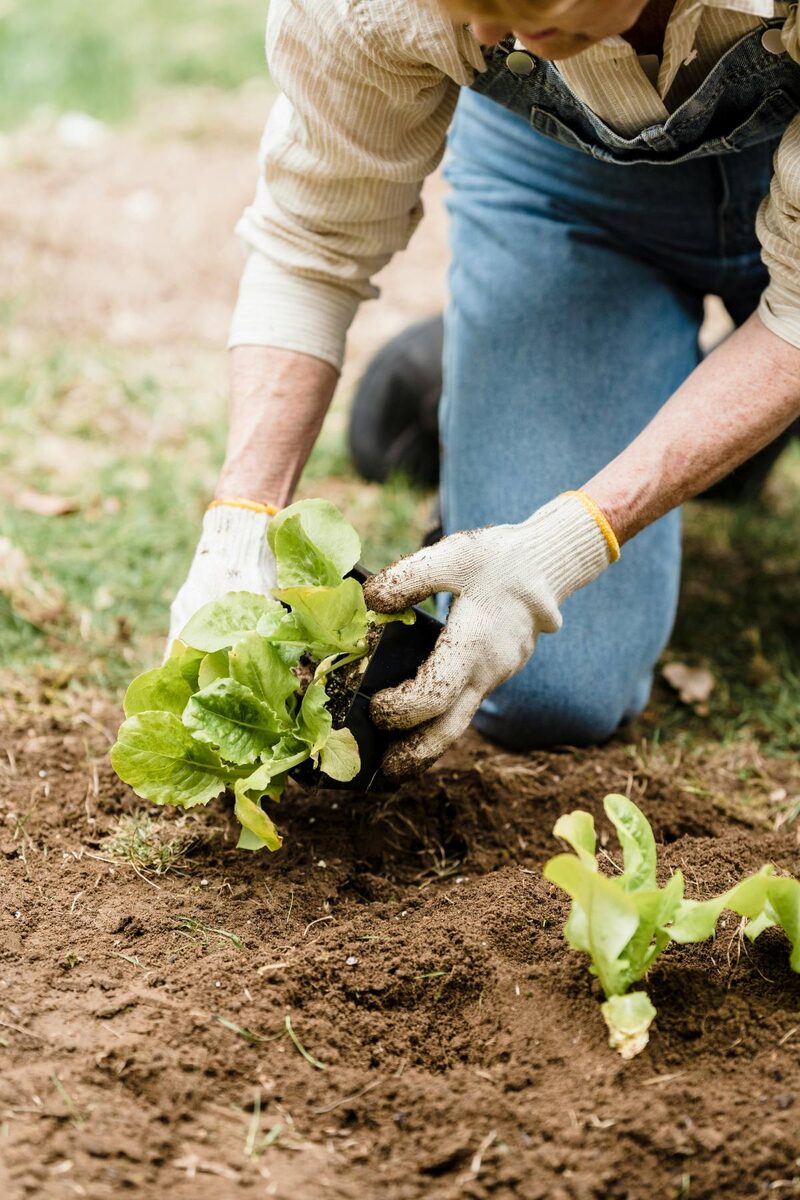
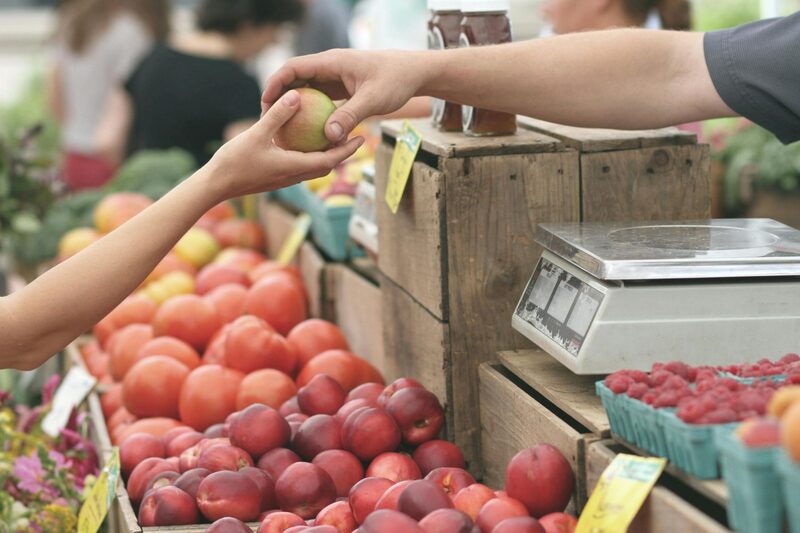
Sustainable baking starts with sustainable ingredients, and the best way to buy sustainably is to shop locally as is possible for you. Buying directly from local farmers, like at farmers' markets, community supported agriculture (CSAs), or even growing your own, is the ideal option. Choosing locally owned grocers and markets rather than chain supermarkets is also a good option. This also goes hand in hand with eating seasonal produce. Out-of-season produce is grown in artificial conditions or shipped from far away, which both increases environmental impact and decreases nutritional value and flavor. In-season produce will also be less expensive due to the lower amount of labor and resources required.
Final Thoughts
Moving towards sustainability doesn't have to happen all at once. Whatever changes you are able to make are a step worth taking. Do what you can and adapt what you need to your own situation and resources.

Sustainability as a Priority
Taste the difference at Sensible Bakery, where ingredients are sourced with care and sustainability is baked into every step of the process.
Shop the Bakery →